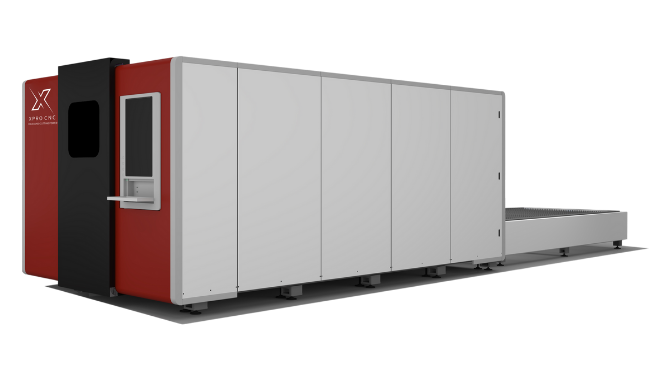
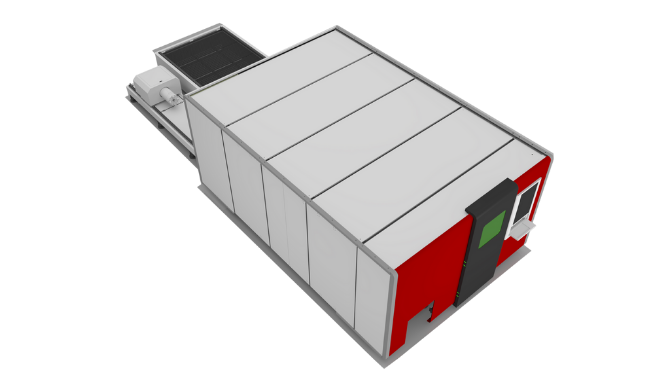


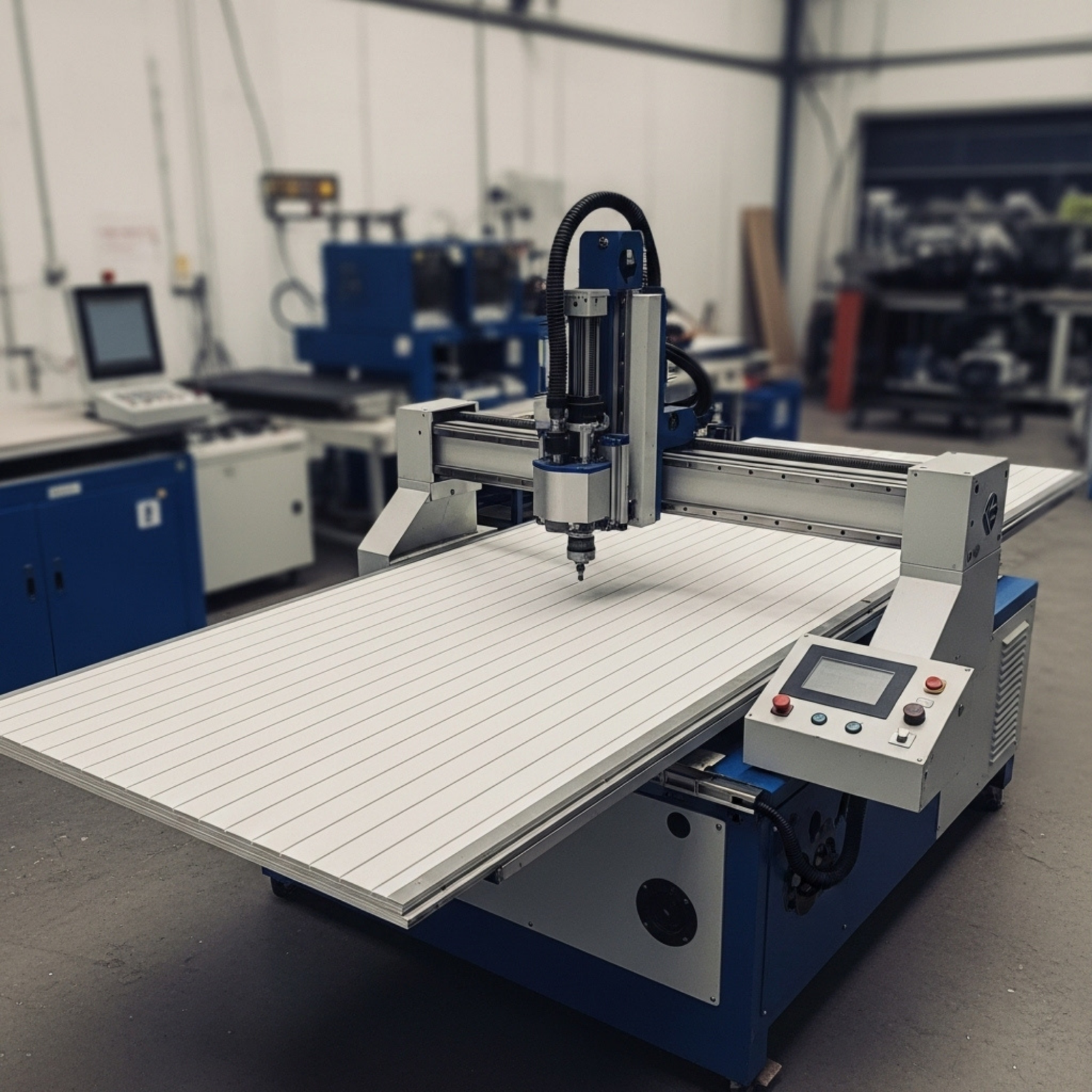
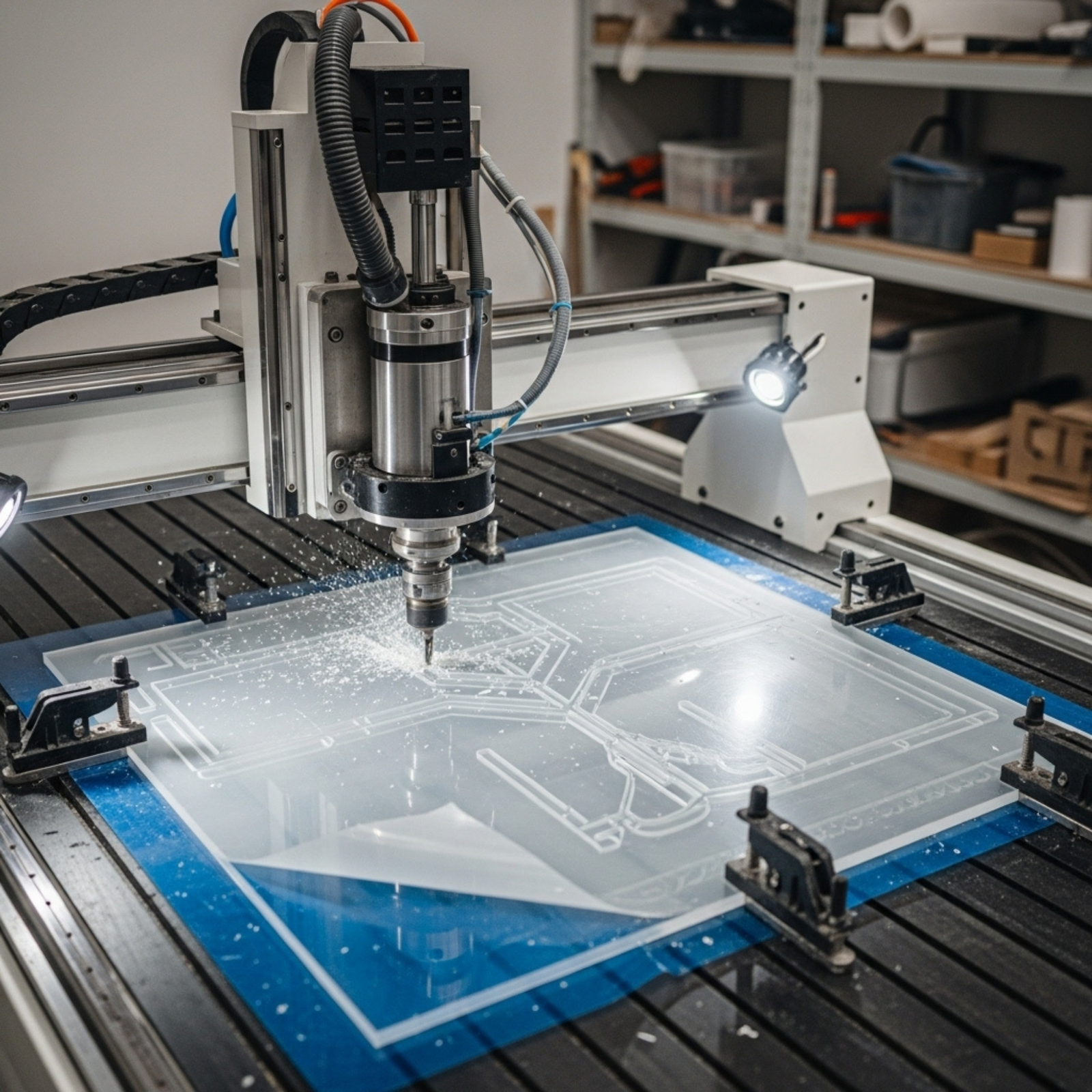


You’ve done the research, compared the specs, and you’re ready to pull the trigger on a new CNC machine from xprocnc.com. It’s an exciting moment—a gateway to unlocking precision manufacturing, bringing creative ideas to life, or scaling your business to new heights. The initial purchase price is a significant investment, but it’s only the tip of the iceberg.
Too often, new owners focus solely on the upfront cost of the machine, only to be surprised by the ongoing expenses required to keep it running efficiently and profitably. These “hidden costs” aren’t a secret, but they are frequently underestimated.
This guide will pull back the curtain on the total cost of CNC ownership. By understanding and budgeting for maintenance, tooling, and other operational needs, you can transform your CNC machine from a simple purchase into a predictable, profitable asset.
The Iceberg of CNC Costs: What Lies Beneath the Surface?
Think of your CNC investment as an iceberg. The visible part is the machine’s price tag. The much larger, hidden part below the waterline includes everything else needed to operate it successfully. We can group these costs into two main categories: Maintenance and Tooling.
1. The Essential Budget for CNC Maintenance
A well-maintained machine is a reliable and accurate machine. Neglecting maintenance doesn’t save money; it just delays a much larger, more expensive repair bill. Here’s how to budget for it.
Preventive Maintenance (PM)
This is the routine care and feeding of your machine. It includes daily, weekly, and monthly checks that prevent small issues from becoming catastrophic failures.
- Lubrication: Your machine’s moving parts—ball screws, linear guides, and bearings—require regular lubrication. Running them dry is the fastest way to cause expensive damage.
- Budget: $20 – $50 per month for quality grease and way oil.
- Cleaning: Chips, coolant residue, and dust can work their way into sensitive components. Regular cleaning is non-negotiable.
- Budget: Primarily your time, plus the cost of cleaning supplies like brushes, rags, and solvents ($10 – $20 per month).
- Inspections: Regularly checking belt tension, looking for leaks, and ensuring safety features are functional.
- Budget: Time. Schedule 15 minutes at the start or end of each day.
Consumables
These are the items your machine uses up during normal operation.
- Coolant/Cutting Fluid: Essential for managing heat, improving surface finish, and extending tool life. It needs to be managed, filtered, and eventually replaced.
- Budget: $100 – $500 per year for coolant concentrate and refractometer/testing supplies, depending on usage.
- Filters: Your machine may have filters for coolant, hydraulic fluid, and air lines that need periodic replacement.
- Budget: $50 – $200 per year.
Replacement Parts (Wear and Tear)
Over time, certain parts will naturally wear out and require replacement. While a quality XProCNC machine is built for longevity, planning for wear is just smart business.
- Belts and Wipers: Drive belts and way cover wipers are common wear items.
- Spindle Components: Depending on the design, drawbar springs or bearings may need to be replaced after thousands of hours of use.
- Cabling: The constant motion of a CNC machine can eventually cause wear on flexible electrical cables.
A good rule of thumb is to set aside 1-3% of the machine’s purchase price annually for these replacement parts. For a $20,000 machine, that’s $200 – $600 per year.
2. The Critical Investment: CNC Tooling & Workholding
Your CNC machine is only as good as the tooling you put in it. This is not an area to cut corners, as high-quality tooling directly impacts your part quality, machining time, and safety.
The Initial Tooling Package
You can’t make anything without the basics. Your initial tooling investment can be substantial.
- End Mills: The workhorses of any CNC mill. You’ll need a variety of sizes and types (e.g., flat, ball-nose, corner radius) in both 2-flute and 4-flute configurations for different materials.
- Drills and Taps: A comprehensive set of drills and the corresponding taps for threading holes.
- Face Mills: For quickly creating flat, smooth surfaces on large parts.
- Tool Holders: You need a holder for every tool you plan to use. Common types include CAT, BT, and HSK. Ensure they are balanced for your spindle’s RPM.
- Budget for an Initial Set: A starter set of quality end mills, drills, and holders can range from $500 to $5,000+.
Workholding: Securing Your Success
If you can’t hold your material securely and repeatably, you can’t machine it accurately.
- Vises: A high-quality machinist vise is the most common and versatile workholding solution.
- Clamps and Fixture Plates: For holding irregularly shaped parts or multiple parts at once.
- Chucks (for CNC Lathes): Essential for holding round stock.
- Budget: A good vise can cost between $200 and $1,000. Custom fixtures can add to this significantly.
Measurement and Inspection Tools
You must be able to measure what you make. Precision is key.
- Digital Calipers: For quick and easy measurements.
- Micrometers: For highly accurate external measurements.
- Dial Indicators and Test Indicators: For setting up parts, tramming your machine, and checking for runout.
- Budget: Expect to spend $200 – $600 for a quality set of basic measuring tools.
Ongoing Tooling Costs
Tools are consumables—they get dull, they chip, and they break. This must be factored into your operating budget and job costing. The cost will vary widely based on the materials you cut (machining abrasive materials like composites wears tools out much faster than aluminum). For a small shop, budgeting $100 – $400 per month is a realistic starting point.
Don’t Forget These Other Costs
Beyond the big two, a few other expenses are often overlooked.
- Software (CAD/CAM): While some free options exist, professional-grade CAD (Computer-Aided Design) and CAM (Computer-Aided Manufacturing) software can be a significant cost, often coming with annual subscription fees.
- Utilities: CNC machines, especially those with powerful spindles and coolant pumps, consume a considerable amount of electricity. If you use a pneumatic drawbar or air blast, you’ll also need a large air compressor, which adds to the utility bill.
- Training: To get the most out of your investment, you need to know how to use it. Factor in the cost of online courses, hands-on training, or simply the time it takes to learn the machine and software.
- Shop Infrastructure: Does your space have the necessary power supply? Is the floor level and stable enough? Do you need to set up ventilation or a chip management system?
A Simple Budgeting Framework
So, how do you put this all together? While every situation is unique, a widely accepted rule of thumb is to budget an additional 15-25% of your machine’s purchase price for the first year’s operating costs.
For a $20,000 machine, this means setting aside $3,000 – $5,000 for tooling, maintenance supplies, software, and other initial needs. After the first year, a budget of 5-10% annually for ongoing maintenance and tooling replacement is a sustainable model.
How XProCNC Helps You Manage Total Cost
At XProCNC, we believe in transparency. We know that your success depends on more than just the machine itself. That’s why our machines are engineered for reliability and ease of maintenance, reducing unplanned downtime and costly repairs. Our support team is here to help you with maintenance questions and ensure you have the knowledge to keep your machine in peak condition.
When you’re ready to make an investment in your future, contact our team. We can help you select the right machine and plan for the total cost of ownership, setting you up for success from day one.
Conclusion: Plan for Profitability
Owning a CNC machine is incredibly rewarding. The key to ensuring it remains a profitable venture is to go in with your eyes open. By understanding and proactively budgeting for the hidden costs of maintenance and tooling, you move from being a reactive owner to a strategic operator.
This preparation doesn’t just prevent financial surprises—it builds a foundation for efficiency, quality, and long-term growth.
Disclaimer: The information provided in this blog post is for informational purposes only. The cost estimates and budget percentages are general guidelines and may vary significantly based on your specific machine, application, materials, and operational intensity. Always consult with a qualified expert or refer to your machine’s official documentation before performing any maintenance or making significant financial decisions.