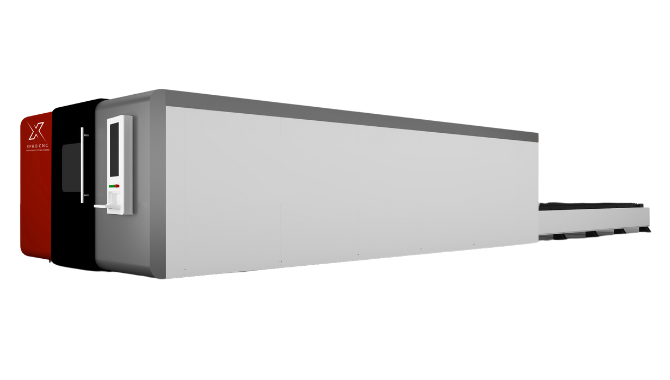
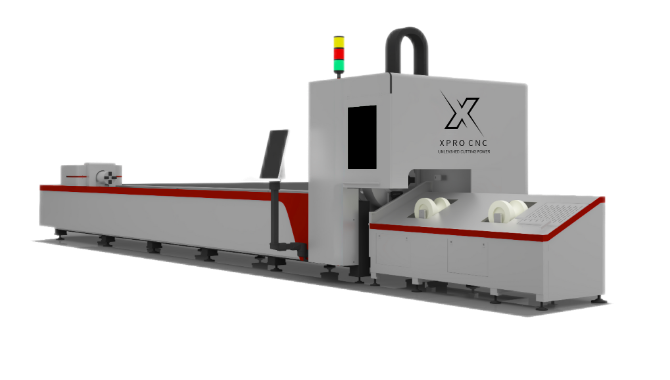
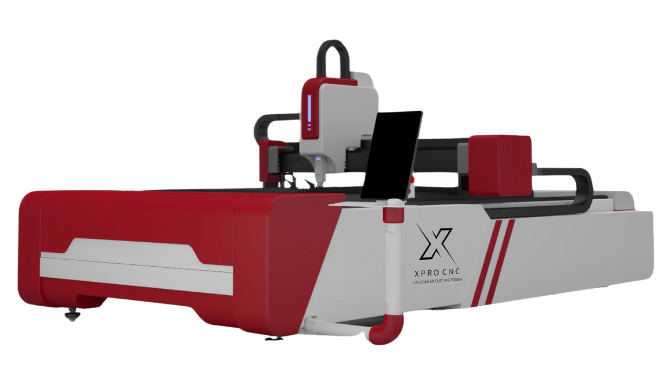
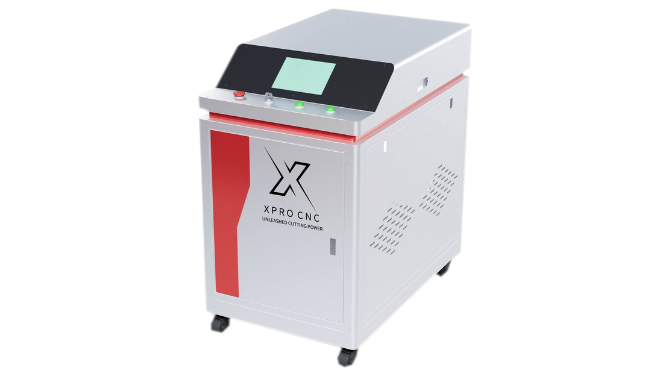


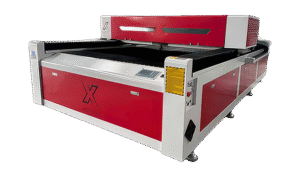
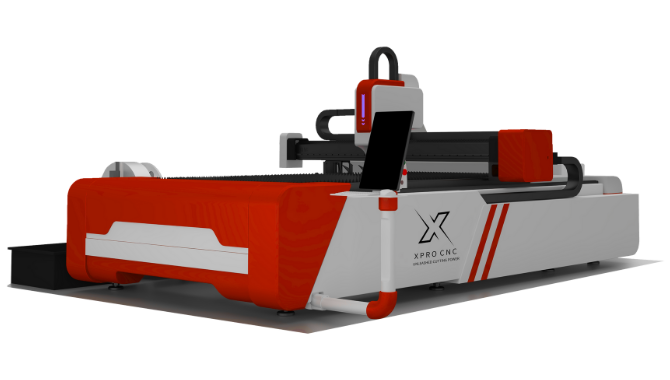
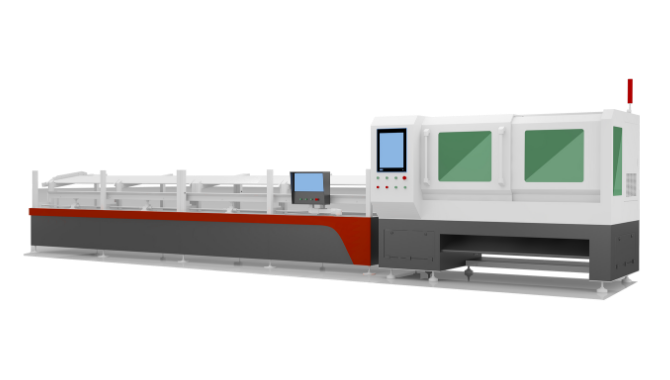
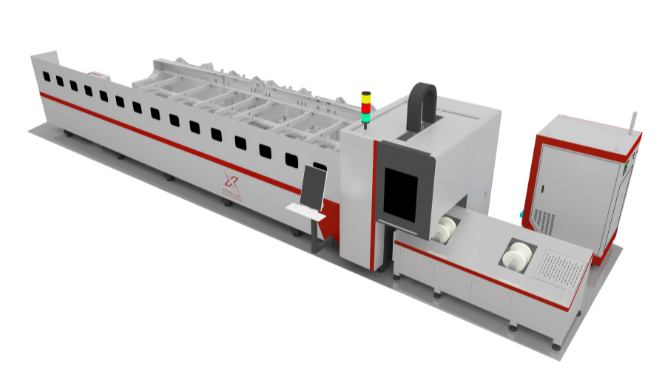
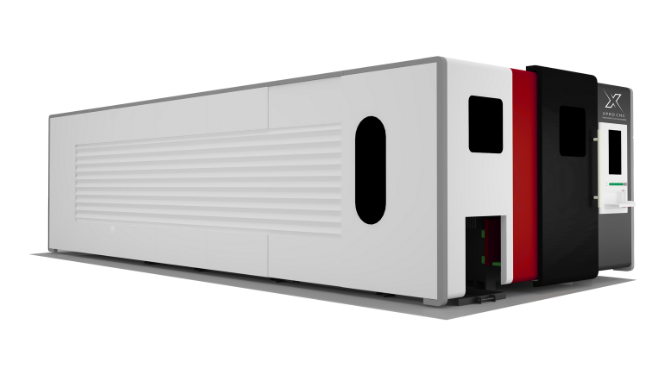
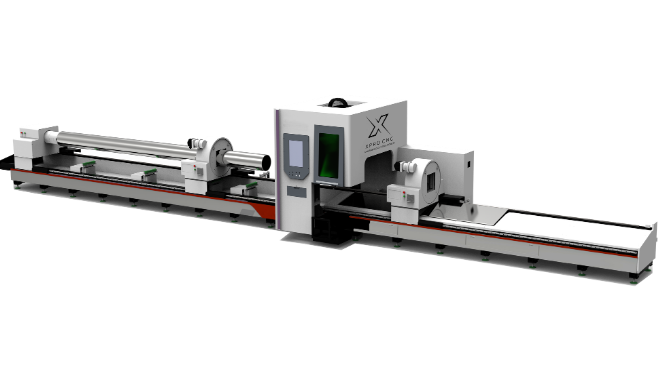
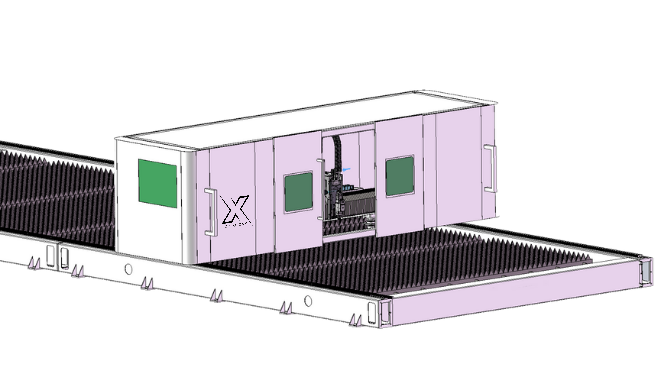
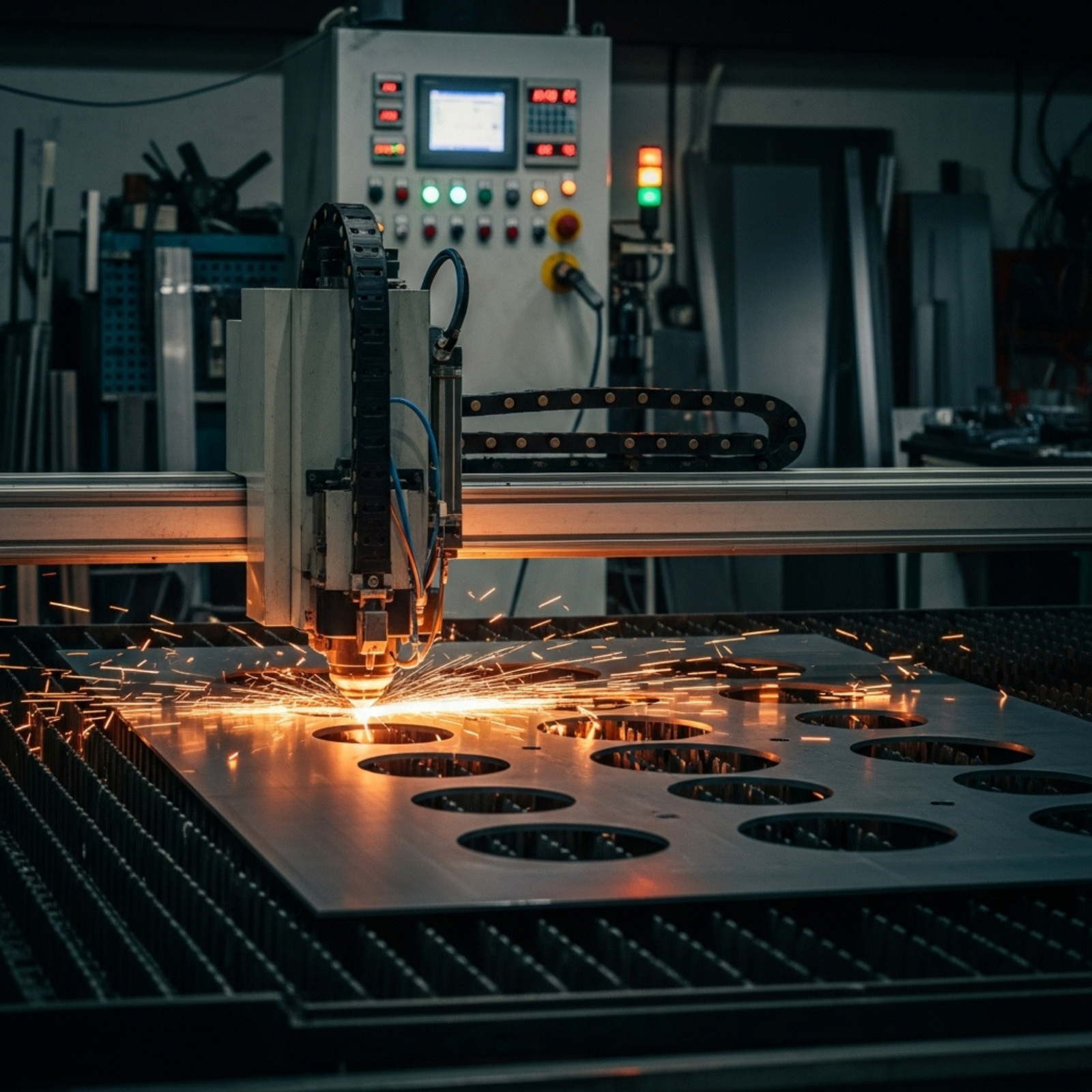
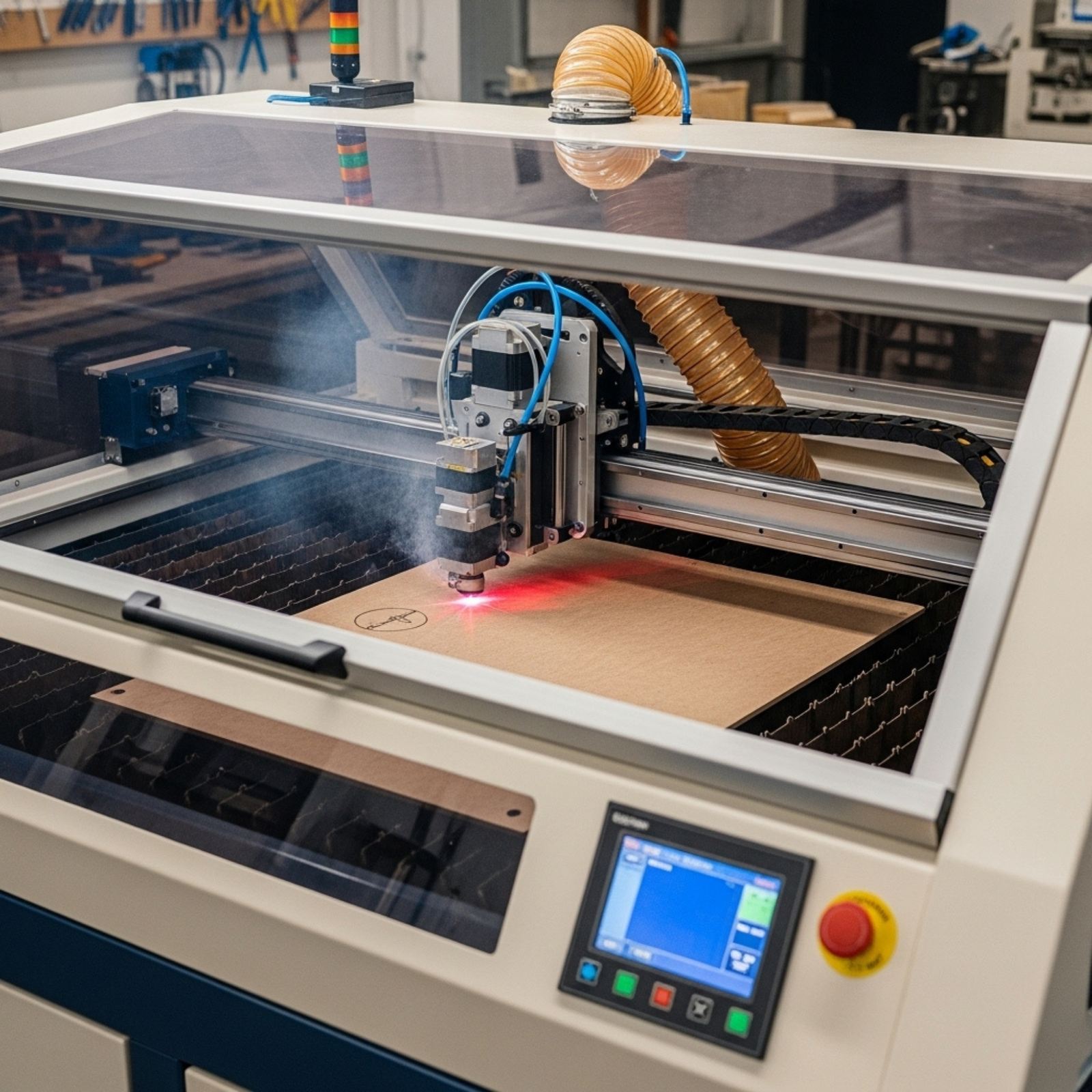
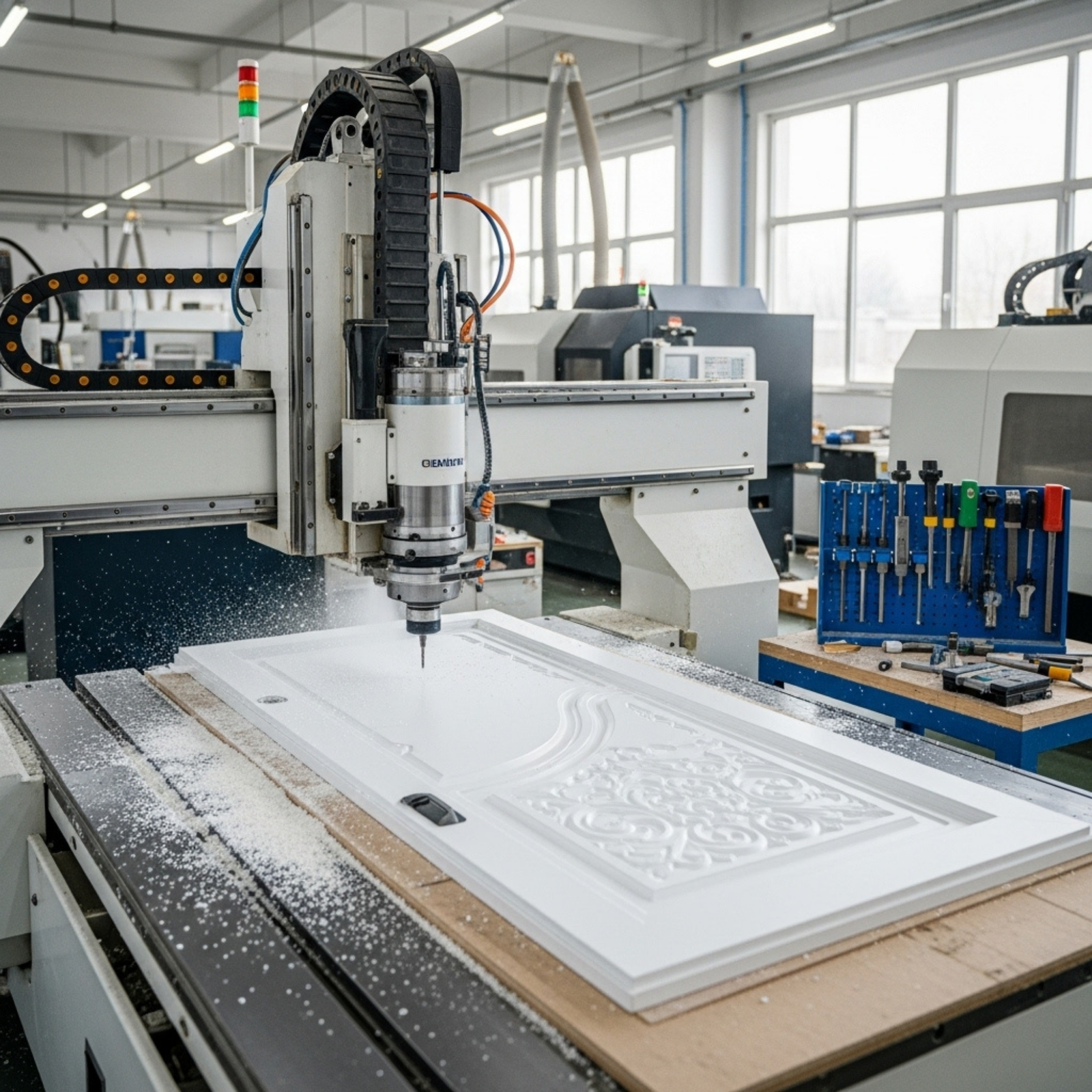
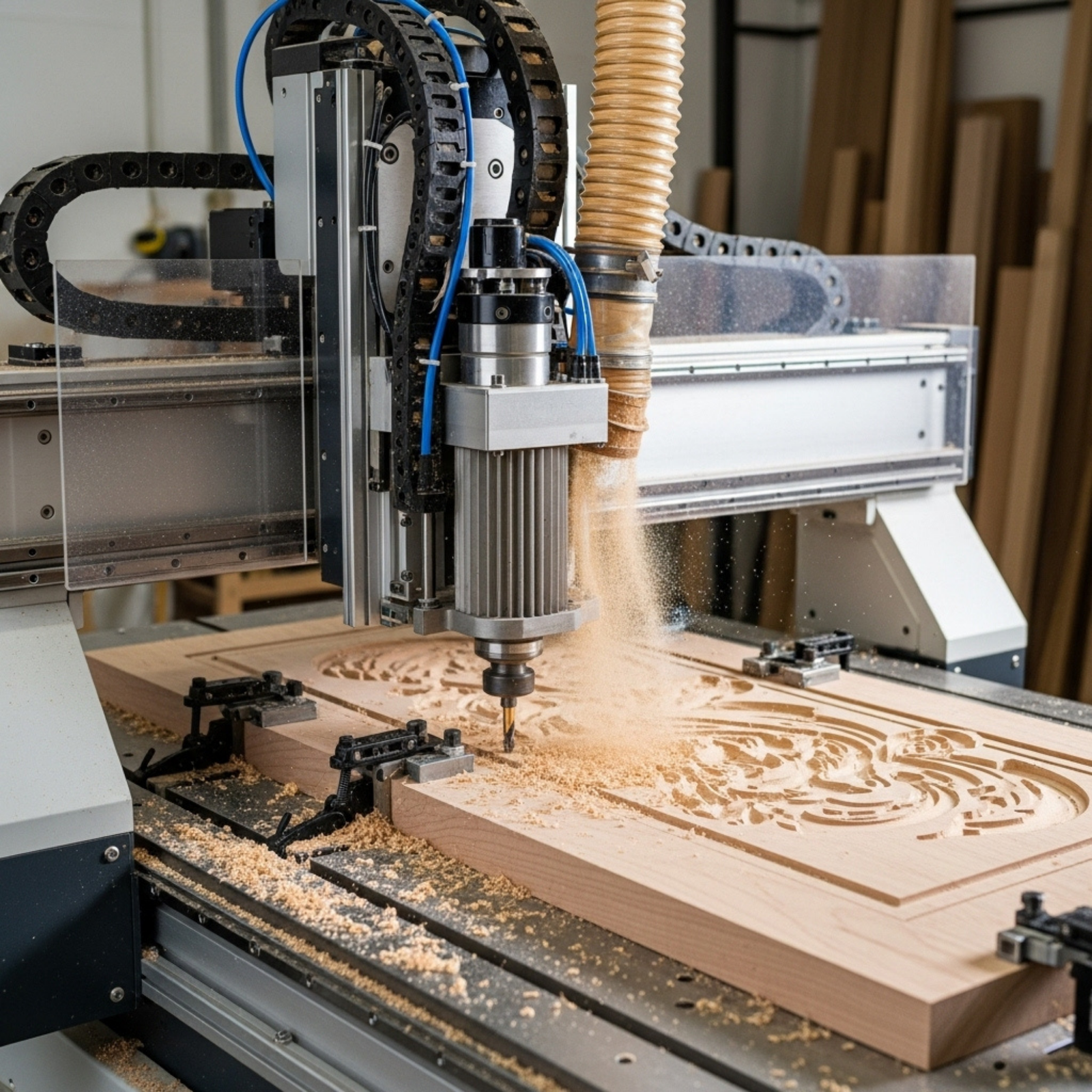
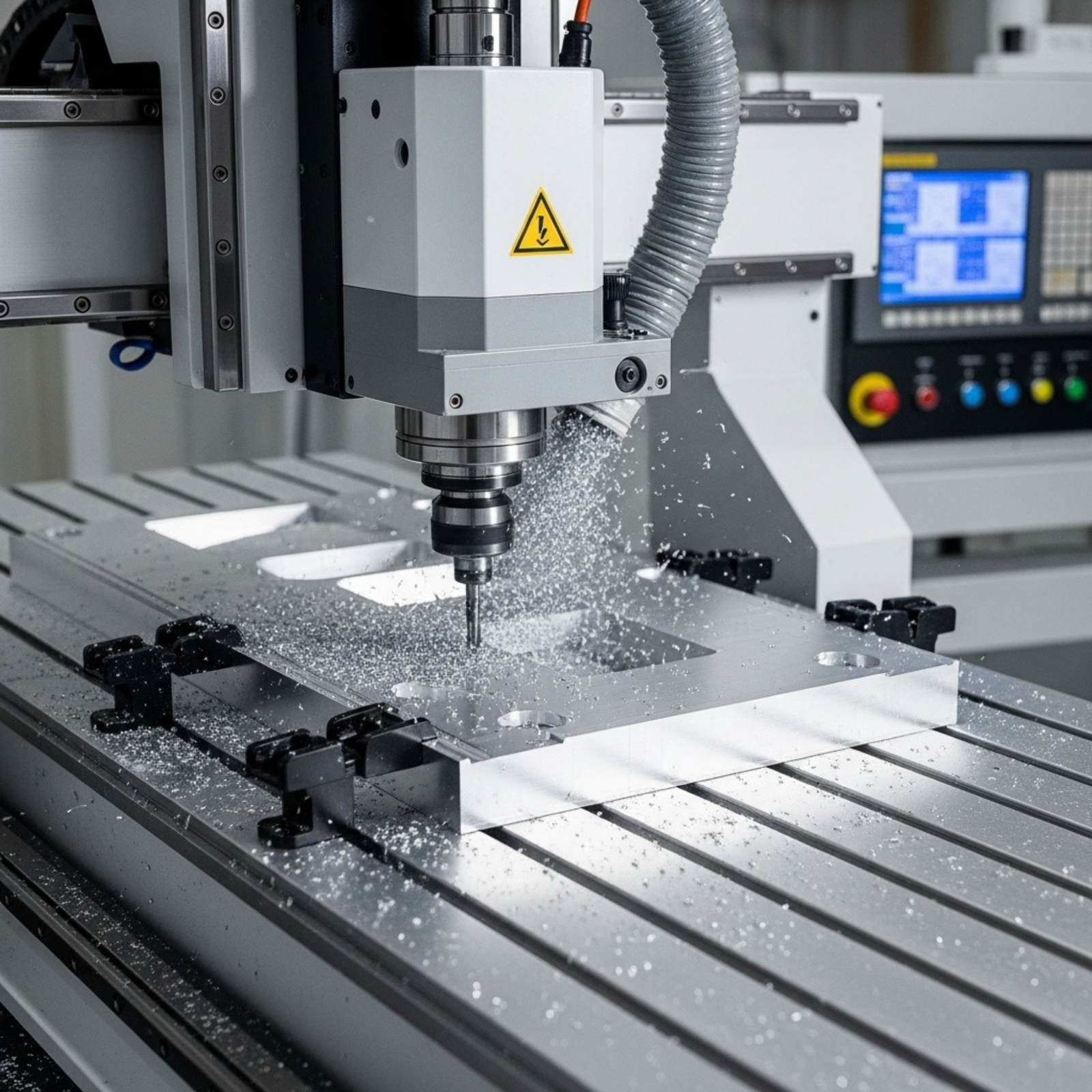
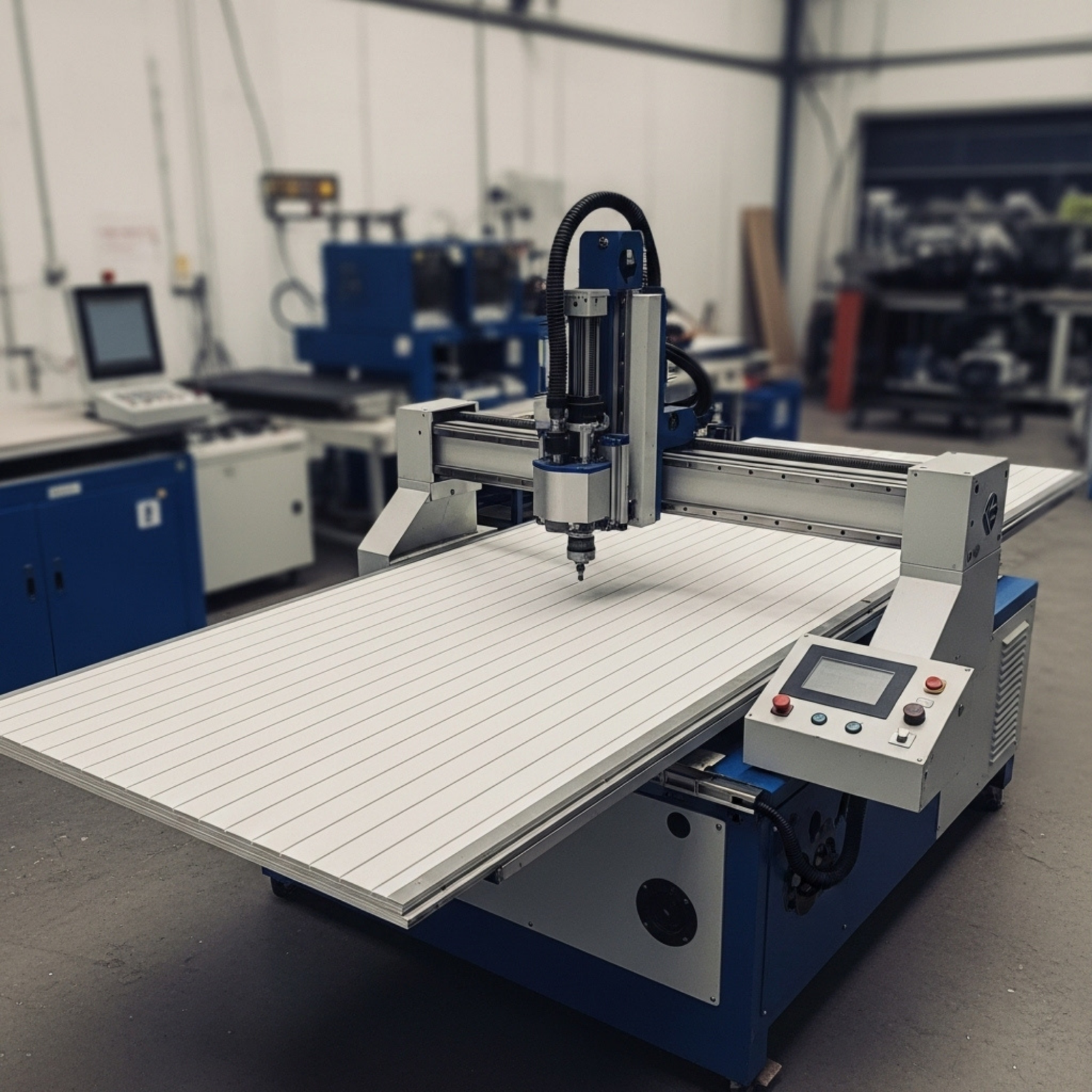
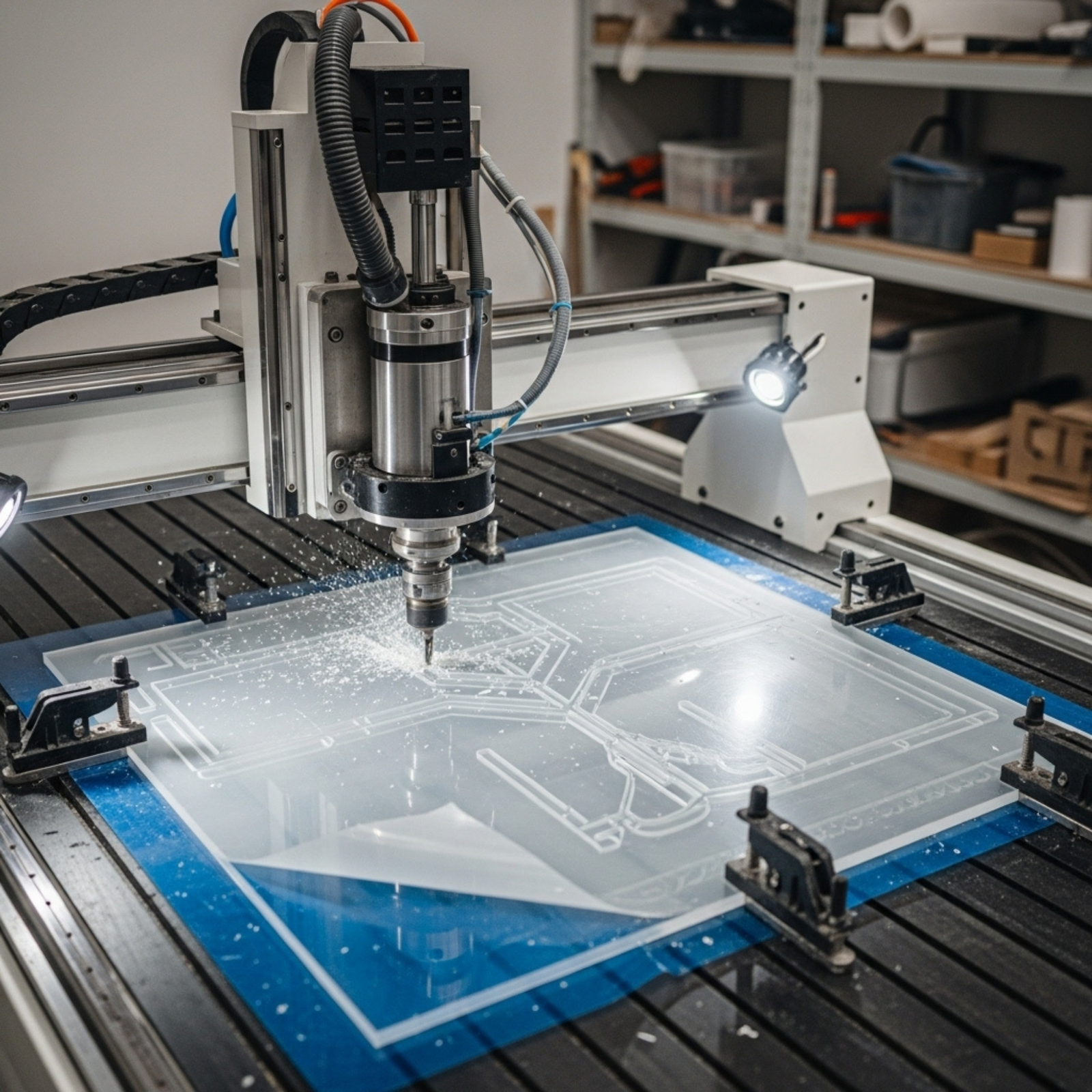


Computer Numerical Control (CNC) machines have revolutionized modern manufacturing, bringing unparalleled precision, efficiency, and automation to the shop floor. From routers and lathes to advanced fiber laser CNC machines, these tools are the backbone of production. However, with this incredible power comes significant responsibility.
A single lapse in protocol can lead to severe injury, costly equipment damage, and devastating downtime. That is why CNC machine safety is not just a compliance checkbox—it is the foundational culture of any successful, sustainable, and productive workshop.
This guide provides a comprehensive overview of the essential CNC safety procedures every operator, programmer, and manager must know.
The Cornerstone: A “Safety-First” Culture and Risk Assessment
Before an operator ever touches a controller, the environment must be built around safety. This starts with two key concepts:
- Safety Culture: This is the shared belief that safety outweighs speed. It means encouraging operators to stop a job if something feels wrong, promoting open communication about near-misses, and investing in regular, high-quality training.
- Risk Assessment: You cannot protect against a hazard you haven’t identified. A formal risk assessment is essential. Walk through every step of the CNC process, from material loading to part removal, and identify potential hazards:
- Mechanical Hazards: Moving parts, rotating tools, spindles, and workpieces.
- Electrical Hazards: High-voltage cabinets, worn cables, and improper grounding.
- Material Hazards: Sharp chips, coolant splashes, or dust inhalation.
- Ergonomic Hazards: Repetitive lifting, awkward stances, and poor lighting.
For each hazard, determine the level of risk and implement a control measure. This assessment isn’t a one-time event; it must be reviewed whenever a new machine, material, or process is introduced.
Before You Press Start: Pre-Operation Safety Checks
A safe cycle begins with a safe setup. Every operator must perform these checks before starting a new job.
Machine Inspection
- Guarding: Are all machine guards, including interlocked doors and panels, in place and functioning correctly? Never operate a machine with safety interlocks bypassed.
- Emergency Stops: Physically test every E-Stop button on the machine and controller to ensure they function.
- Fluid Levels: Check hydraulic fluid and coolant levels. Low coolant can cause tool failure or fire.
- Tooling: Inspect tools for any chips, cracks, or visible wear. A broken tool can become a dangerous projectile.
Work Area Inspection
- Clear Zone: The area around the machine must be clean and free of clutter.
- Slip Hazards: Immediately clean up any oil or coolant spills on the floor.
- Lighting: Ensure the work area and the machine’s interior are well-lit to spot potential problems.
Work-Holding and Setup
- Secure Clamping: Double-check that the workpiece is securely and properly clamped in the vice, chuck, or fixture. A loose workpiece can be ejected from the machine at high speed.
- Tool and Offset Data: Verify that the correct tool programme and work offsets are loaded. A simple typo can result in a catastrophic crash.
The Operator’s Shield: Personal Protective Equipment (PPE)
PPE is the last line of defence, but it is a non-negotiable one. The minimum required PPE for CNC operation includes:
- Certified Safety Glasses: This is the absolute minimum. They must have side shields to protect from flying chips and coolant splash.
- Safety-Toed Footwear: Protects against dropped tools, heavy material, or parts.
- Hearing Protection: While some modern machines are quiet, many operations can exceed safe noise levels.
What NOT to Wear
Just as important as what to wear is what not to wear around rotating machinery:
- Gloves: This is a critical rule. While gloves seem protective, they can easily get caught by a rotating spindle or tool, pulling the operator’s hand in. The only exception is when handling sharp-edged materials while the machine is completely powered off.
- Loose Clothing: Baggy sleeves, untucked shirts, or shop rags hanging from a pocket can all be snagged.
- Jewellery: Rings, watches, and necklaces pose a severe entanglement hazard.
- Long Hair: Must be tied back and secured.
During Operation: Active Safety Protocols
Once the “Cycle Start” button is pressed, the operator’s vigilance is key.
- Never Leave a Machine Unattended: Especially during a new programme, proofing, or a complex cut. The operator must be present to hit the E-Stop if an issue arises.
- Keep Hands Clear: Never reach into the machine’s enclosure while it is in motion. Wait for the spindle and all axes to come to a complete stop.
- Listen and Look: An experienced operator uses their senses. Listen for unusual sounds like tool chatter, grinding, or straining motors. Watch for excessive vibration or smoke.
- Chip Management: Hot chips can be a fire and burn hazard. Stop the machine before attempting to clear a large chip buildup, and always use a chip hook or brush, never your hands or compressed air (which can embed chips in your skin).
Critical Systems: Guards, Interlocks, and E-Stops
A machine’s built-in safety features are its most important.
- Machine Guarding: This is the primary safety system. Fixed guards, enclosures, and interlocked doors are designed to create a physical barrier between the operator and the hazard. Bypassing them for a “quicker setup” is one of the most dangerous actions an operator can take.
- The Emergency Stop: The red E-Stop button is for emergencies only. It is designed to quickly halt machine movement. However, it is not a substitute for proper power-down procedures and does not remove electrical power from all components.
Powering Down: Maintenance and Lockout/Tagout (LOTO)
The most dangerous time to be around a CNC machine is during maintenance, repair, or cleaning. A machine that is “off” is not always “safe.” This is where Lockout/Tagout (LOTO) procedures are essential.
LOTO is a formal safety programme designed to prevent the unexpected startup of machinery during service. It ensures that the machine is completely de-energized and cannot be turned on until the maintenance work is finished and the person who locked it out is clear.
Every shop must have a documented LOTO procedure that, at a minimum, follows local safety regulations. For a detailed guide on creating a programme, refer to resources from governing bodies like the Canadian Centre for Occupational Health and Safety (CCOHS) on their Lockout/Tagout page.
Training: The Non-Negotiable Element
You can have the most advanced machine with state-of-the-art guards, but if the operator is not trained, the shop is not safe.
Comprehensive CNC operator safety training must cover:
- Machine-specific operation and controls.
- Understanding G-code and M-code basics.
- Proper setup, tool changes, and offset procedures.
- All PPE and LOTO requirements.
- Emergency procedures and first-aid locations.
This training must be documented, and refresher courses should be held regularly. The importance of following established standards, such as those from the International Organization for Standardization (ISO), ensures a globally recognized level of safety. For further reading, government bodies like the U.S. Occupational Safety and Health Administration (OSHA) also provide excellent machine guarding guidelines that are recognized worldwide.
Conclusion: Safety Is Productivity
A safe shop is an efficient and profitable shop. By prioritizing CNC machine safety, you are not slowing down production; you are protecting your most valuable assets: your people and your equipment.
Integrating these procedures—from risk assessment and PPE to rigorous training and LOTO protocols—creates a professional environment where everyone goes home safe at the end of the day.
Disclaimer: The information provided in this article is for informational purposes only and is based on general industry best practices. It is not a substitute for professional safety training, expert consultation, or a thorough review of your specific equipment and local regulatory requirements. Always consult your machine’s documentation and a qualified safety expert before implementing any new safety procedure or operating machinery. XproCNC assumes no liability for any incidents that may arise from the use or misuse of this information.