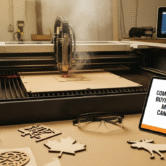



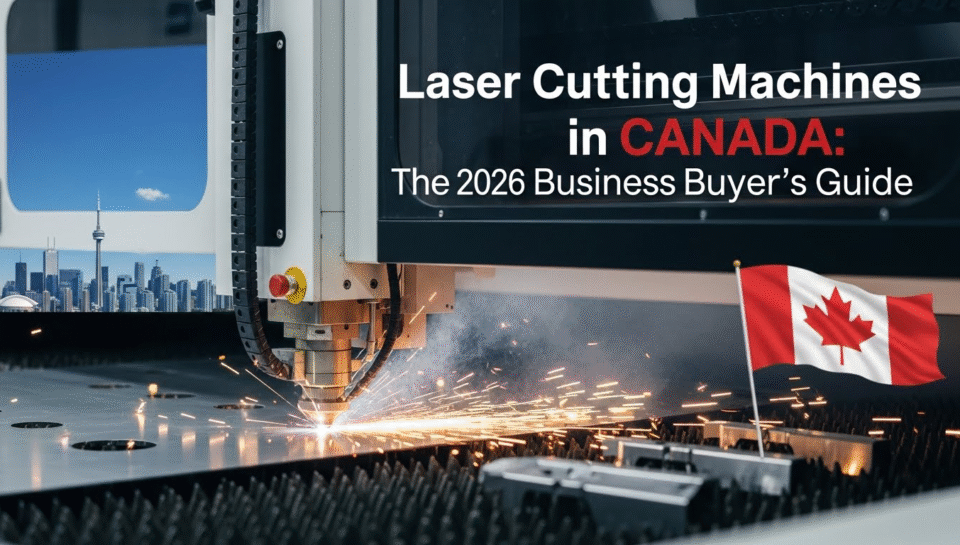
Selecting the right “engine” for your laser cutting machine is the single most important decision you will make. In the world of CNC laser cutters, one size does not fit all.
CO2 Lasers: The King of Non-Metals
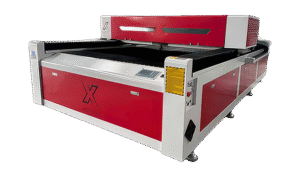
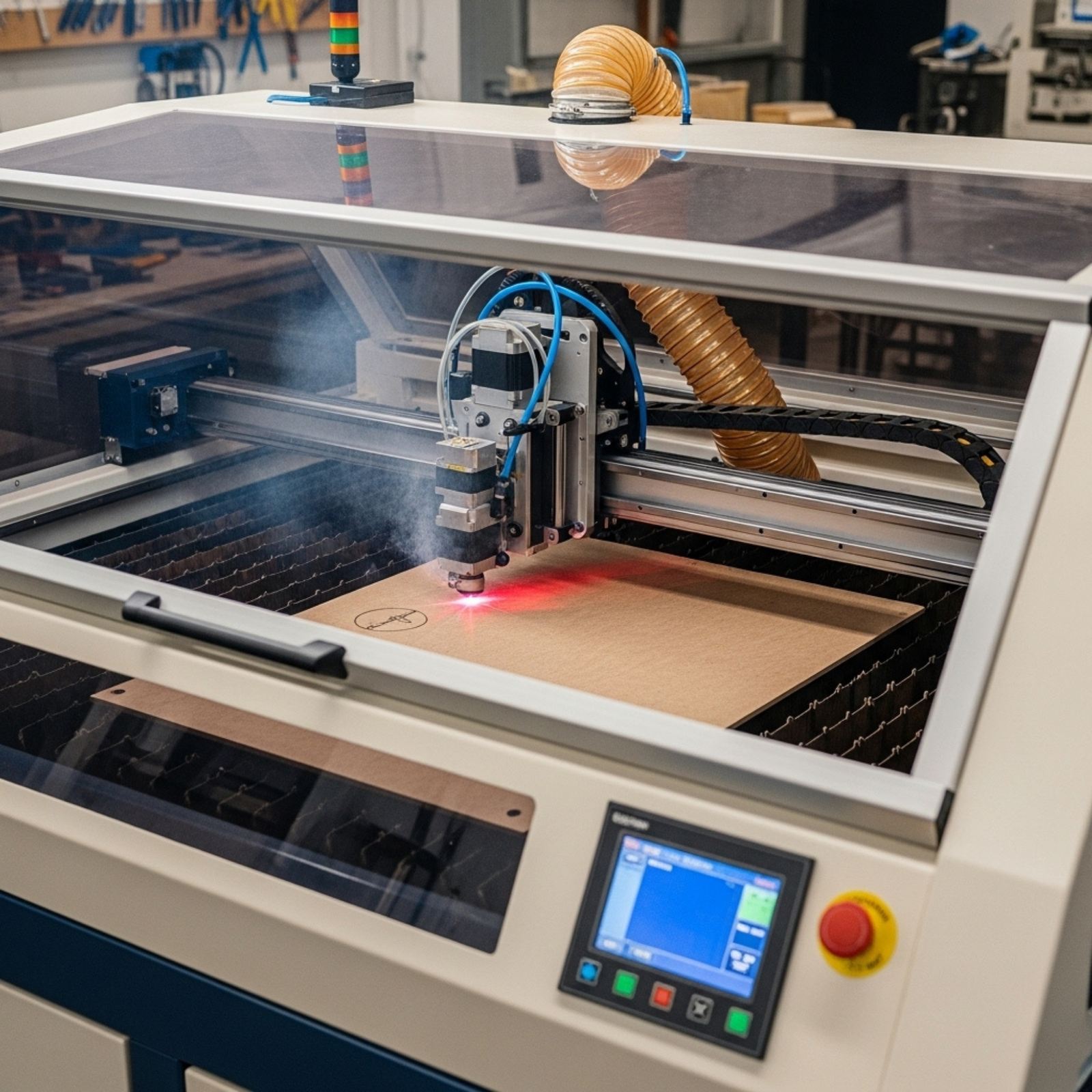
For most small-to-medium businesses (SMBs) dealing with signage, awards, or custom gifts, the CO2 laser is the workhorse. These machines use a gas mixture (carbon dioxide) electrically stimulated to produce a beam.
- Best For: Cutting wood, acrylic (Plexiglass), leather, fabric, and paper. Engraving coated metals (anodized aluminum) and glass.
- The Canadian Context: If your business targets the personalized gift market (popular on Etsy Canada) or architectural modeling, a 60W to 130W CO2 laser is your sweet spot.
Fiber Lasers: The Industrial Metal Standard
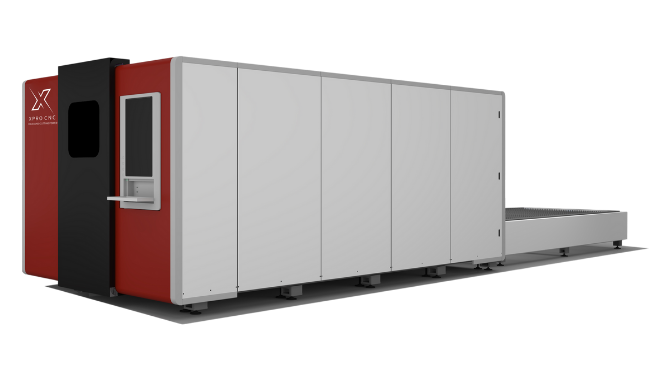
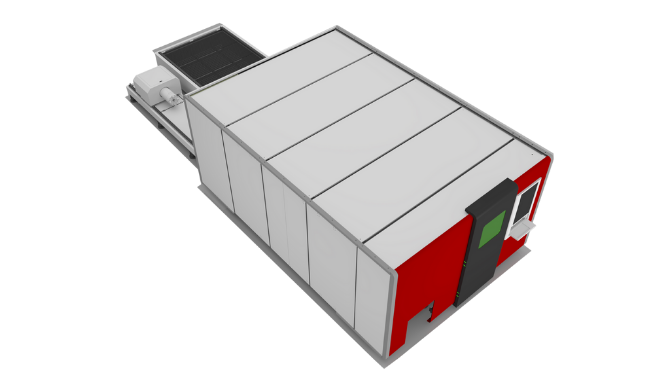
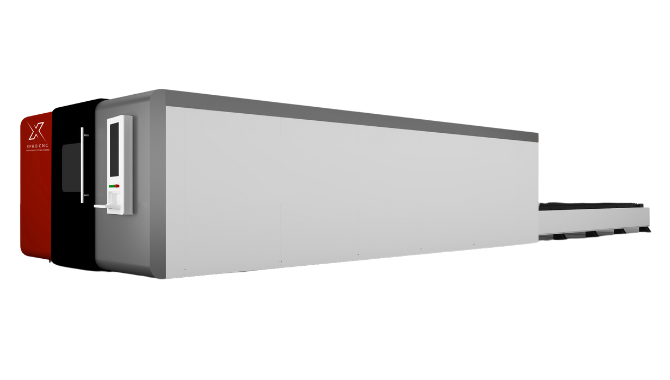
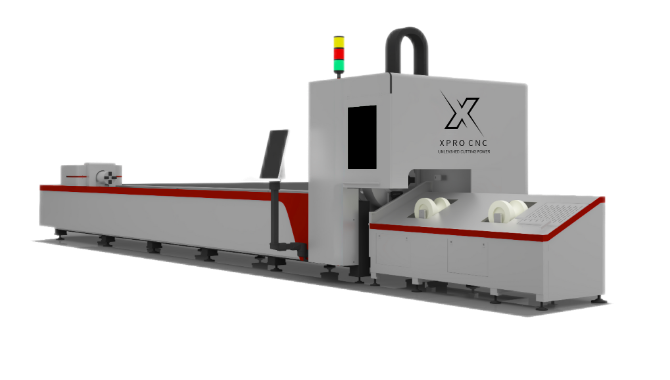
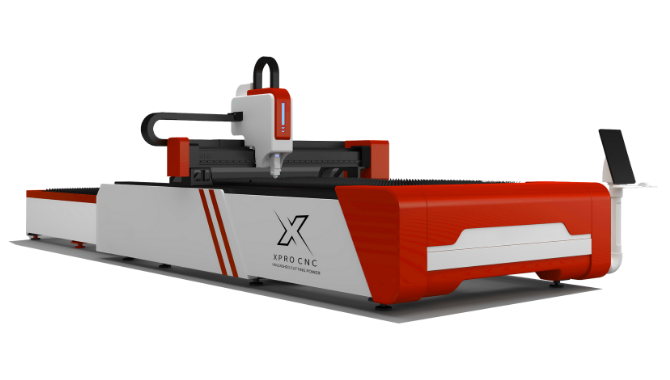
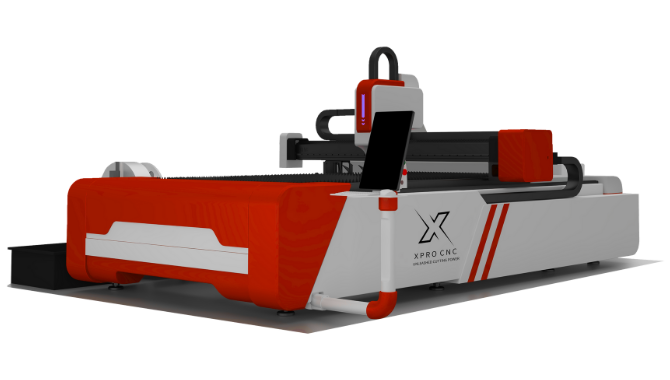
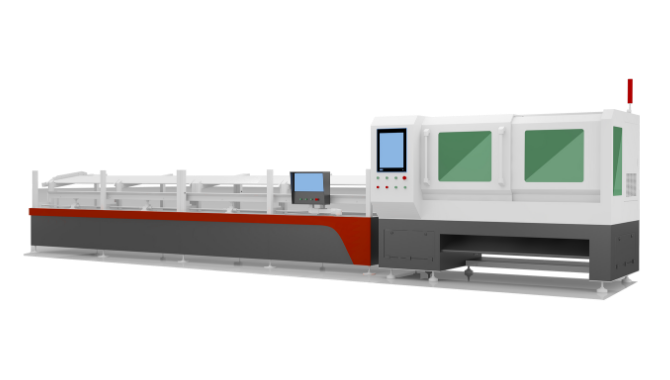
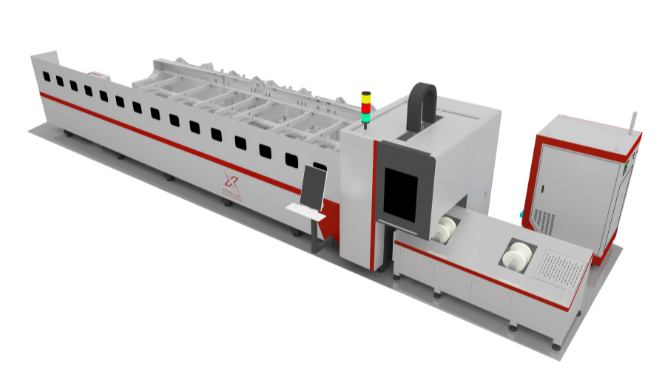
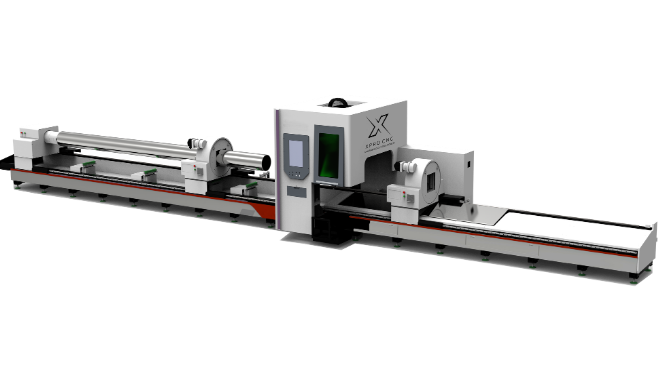
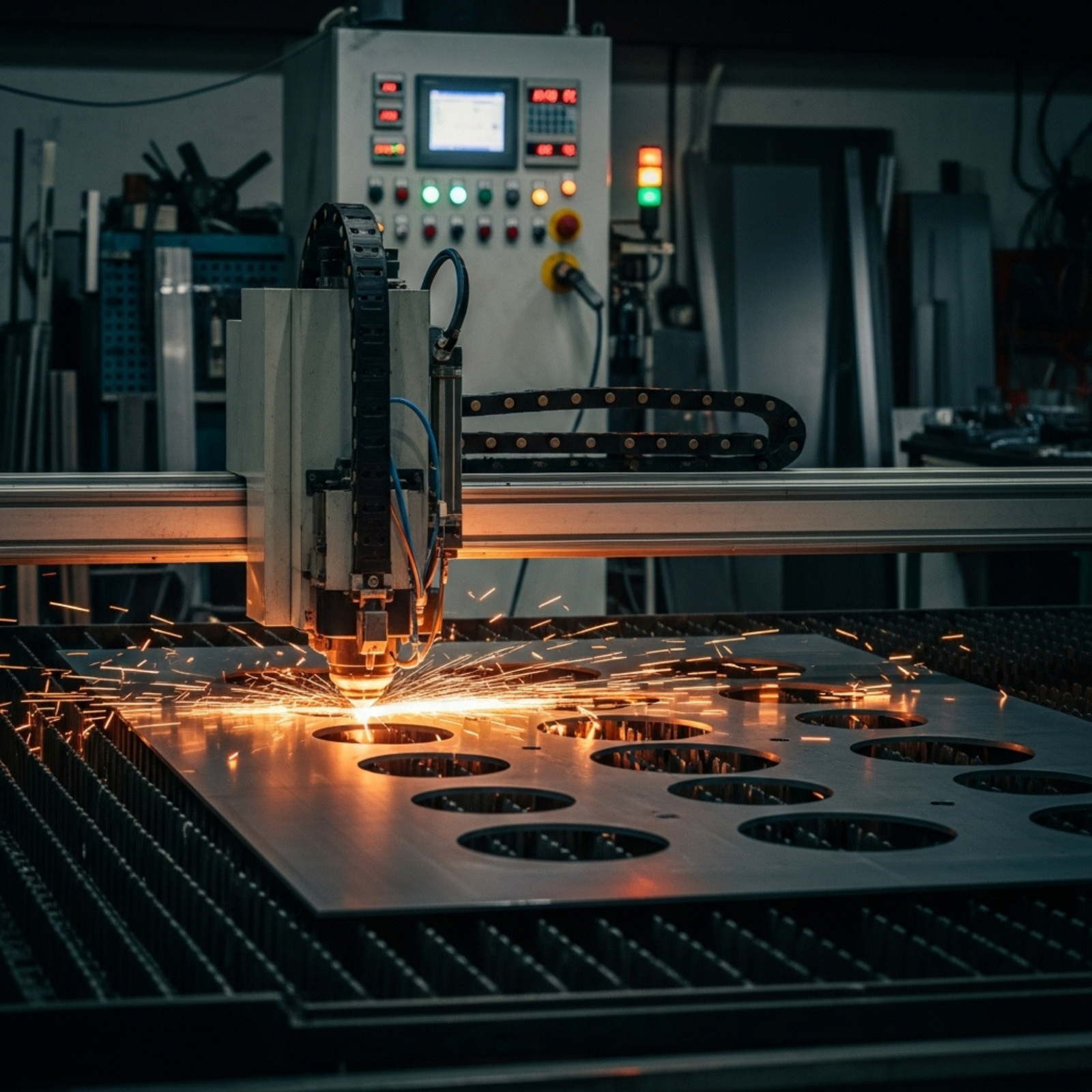
If your primary goal is industrial metal cutting—carbon steel, stainless steel, brass, or copper—you need a fiber laser. These solid-state lasers are significantly more energy-efficient than CO2 lasers and require less maintenance.
- Efficiency: A 1kW fiber laser can cut thin sheet metal faster than a 3kW CO2 laser.
- Maintenance: No mirrors to align and no gas tubes to refill, making them ideal for high-volume Canadian manufacturing plants where downtime is costly.
Diode Lasers: Entry-Level Limitations
Often marketed to hobbyists, diode lasers (typically blue light) are solid-state devices often found in the 5W-40W range. While affordable ($500-$1,500 CAD), they lack the speed and cutting depth required for serious commercial laser cutting. They are generally too slow for a scalable business model.
Visual Concept 1: A comparison matrix titled “Laser Source Selection Guide.”
- Rows: Materials (Wood, Clear Acrylic, Stainless Steel, Aluminum, Leather).
- Columns: CO2, Fiber, Diode.
- Visuals: Checkmarks (Green), X’s (Red), and “Engrave Only” (Yellow) icons.
- Alt Text: Chart comparing material compatibility for CO2 vs Fiber vs Diode cutting laser machines for Canadian business owners.
Top Laser Cutting Machine Suppliers in Canada
One of the biggest pitfalls for Canadian buyers is purchasing a “grey market” machine directly from overseas without local support. When a tube fails in the middle of a rush order, waiting three weeks for shipping from China can destroy your client relationships.
Major Brands with Canadian Presence
- Trotec Laser Canada: Known for high-speed, premium Austrian engineering. They have showrooms in Mississauga, Calgary, and Vancouver. Excellent for heavy engraving workloads but comes with a premium price tag.
- Thunder Laser Canada & AEON Laser Canada: These brands occupy the “prosumer” sweet spot. They offer machines manufactured in China but engineered to higher standards with dedicated Canadian support teams, CSA-compliant electronics, and local parts warehousing.
- Epilog (Synergy Products): A US-based giant with strong distribution in BC and Ontario. Known for RF (Radio Frequency) metal tubes that last longer than glass DC tubes.
Pro Tip: Ask potential suppliers: “Do you stock replacement tubes and power supplies in Canada, or do they ship from the US/China?” Customs delays on replacement parts are a hidden business risk.
Navigating Canadian Safety Regulations (Unique Insight)
This is the section most general guides skip, but it is critical for your liability and compliance. Canada has strict rules governing laser safety.
Health Canada & The RED Act
Laser products imported or sold in Canada must comply with the Radiation Emitting Devices (RED) Act.
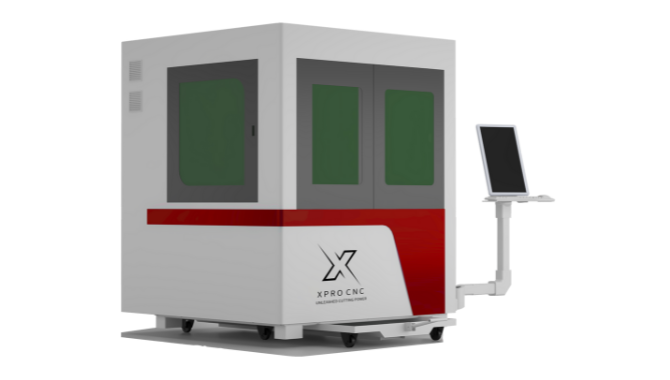
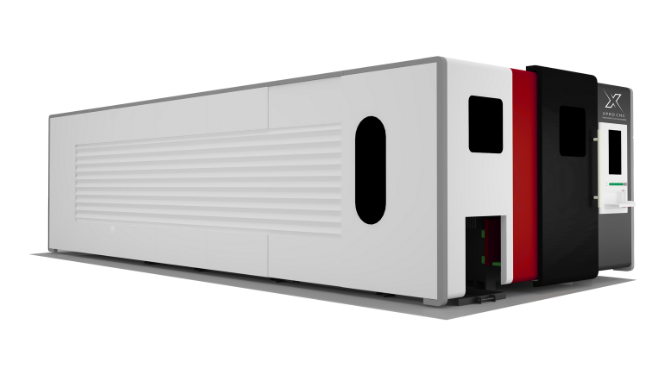
- Class 3B vs. Class 4: Most industrial laser cutters are Class 4 devices (high power, fire risk, skin/eye hazard). However, many “enclosed” units are interlocked to function as Class 1 devices during normal operation (safe under normal conditions).
- Certification: Ensure your machine has a valid FDA/CDRH accession number (accepted by Health Canada) or specific Canadian certification.
CSA Approval is Non-Negotiable
In Canada, electrical equipment connected to the grid must be approved by an accredited certification body (CSA, cUL, cETL).
- The Risk: If you import a cheap uncertified machine and it causes a fire, your commercial insurance will likely void your claim.
- The Solution: Look for the “Field Evaluation” label or standard CSA sticker. Reputable Canadian dealers (like those mentioned above) ensure their machines meet these standards before delivery.
Visual Concept 2: An infographic explaining “Laser Safety Classes in Manufacturing.”
- Visual: A pyramid shape.
- Base (Green): Class 1 (Fully enclosed, safe for operators without gear).
- Middle (Orange): Class 3R/3B (Low risk, often alignment lasers).
- Tip (Red): Class 4 (Open bed, requires safety glasses, designated officer, interlocks).
- Alt Text: Pyramid diagram showing laser safety classifications Class 1 vs Class 4 for industrial laser cutters in Canada.
Critical Specifications for Business ROI
Don’t just buy the biggest machine; buy the one that fits your product line.
- Wattage:
- 80W – 100W (CO2): The “Goldilocks” zone. Cuts 1/4″ acrylic and plywood in a single pass at decent speeds.
- 150W+ (CO2): Necessary if you frequently cut 1/2″ materials. Note that higher wattage tubes often have larger spot sizes, reducing engraving detail slightly.
- 1kW – 3kW (Fiber): The entry point for cutting thin gauge steel (up to 4-6mm).
- Bed Size:
- 24″ x 36″: Standard for trophy shops.
- 48″ x 96″ (4×8 ft): Required for cabinetry, architectural signage, and maximizing yield from standard material sheets.
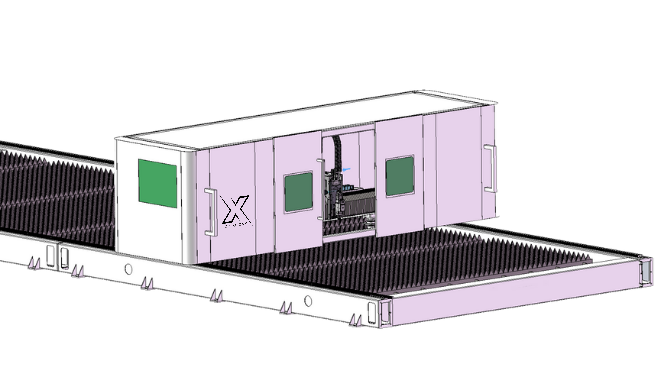
- Pass-Through Doors: Essential feature allowing you to feed long sheets of material through the machine, enabling you to work on items larger than your actual bed size.
The Financial Landscape: Costs & Funding
A commercial-grade laser engraving machine is a significant capital expenditure (CapEx).
True Cost of Ownership
- Entry-Level Pro (e.g., Thunder Bolt): $6,000 – $9,000 CAD.
- Mid-Range Shop (e.g., AEON Mira 9, Epilog Fusion): $15,000 – $30,000 CAD.
- Industrial Fiber (e.g., Eagle, Trumpf): $150,000+ CAD.
Tax Incentives: CCA Class 53
The Canadian government offers accelerated tax write-offs for manufacturing equipment. Under the Capital Cost Allowance (CCA) rules, machinery used for manufacturing or processing goods often falls under Class 53.
- Accelerated Investment Incentive: While the 100% immediate write-off is phasing out, for 2024-2025 you can still claim significant first-year deductions (often 75% depending on the exact current phase-out schedule), drastically lowering your corporate tax bill for the year of purchase. Consult your accountant for the latest Class 53 rates.
Canada Small Business Financing Program (CSBFP)
You don’t always need cash upfront. The CSBFP makes it easier to get loans from financial institutions by sharing the risk with the government.
- Usage: Can be used to purchase equipment (like a laser cutter) for up to $1,000,000 (term loan).
- Benefit: Often requires less collateral than a traditional commercial loan.
Making Money: Top Applications in the Canadian Market
To maximize ROI, align your machine with high-margin local industries.
- Industrial Identification: Use Fiber lasers to mark serial numbers and QR codes on tools and parts for the oil & gas sector in Alberta.
- Architectural Signage: Cut UV-resistant acrylics for outdoor business signage (huge demand in urban centers like Toronto and Vancouver).
- Custom Wedding & Event Decor: A booming industry. Laser-cut wooden names, acrylic invitations, and slate coasters.
- Leather Fabrication: Partner with local boutique fashion brands to cut patterns and engrave logos on leather goods.
Quick Takeaways
- Choose the Right Source: CO2 for wood/acrylic; Fiber for metals.
- Buy Local Support: Prioritize Canadian suppliers (Thunder, AEON, Trotec) over direct imports to ensure parts availability and warranty support.
- Safety First: Ensure your machine is Class 1 (enclosed) or you have a designated Class 4 safety officer. Look for CSA/cUL electrical approval to satisfy insurance.
- Leverage Tax Breaks: Utilize CCA Class 53 to write off a massive portion of the machine’s cost in year one.
- Wattage Matters: 80W-100W is the versatility sweet spot for CO2; do not go lower than 1kW for commercial metal cutting.
- Ventilation is Key: Budget an extra $1,000-$3,000 CAD for a proper fume extraction system—lasers produce toxic smoke.
Conclusion
Investing in a cutting laser machine is more than just buying a tool; it’s buying a manufacturing capability that can redefine your business model. For Canadian business owners, the “sweet spot” lies in balancing machine capability with local compliance and support.
Don’t let the initial price tag scare you. When you factor in the tax advantages of CCA Class 53 and the potential revenue from high-margin applications like architectural signage or industrial marking, the ROI is often realized in less than 12 months.
Your Next Step: Before asking for a quote, measure your widest standard material sheet and your shop’s door width. Then, contact a Canadian-based distributor (like Thunder Laser Canada or Trotec) and ask specifically about their “CSA Field Evaluation” status and local spare parts inventory.
FAQs
1. Can I use a CO2 laser to cut metal? Generally, no. Standard CO2 lasers (under 150W) cannot cut metal; they can only mark it if a marking spray (like Cermark) is applied first. To cut metal, you need a high-power Fiber laser or a specialized high-wattage (150W+) Oxygen-assisted CO2 laser, though Fiber is the industry standard for metal cutting.
2. Do I need a license to operate a laser cutter in Canada? You do not need a personal license to operate one, but your business must comply with provincial Occupational Health and Safety (OHS) regulations regarding Class 4 laser safety. This often involves training, safety signage, and providing specific protective eyewear (OD rated).
3. What is the difference between a glass tube and an RF metal tube? Glass tubes (DC) are cheaper, water-cooled, and last 2-3 years. RF Metal tubes are air-cooled, produce a finer beam for higher detail engraving, and can last 5-10 years, but they cost 5-10x more to replace.
4. How much does shipping usually cost for a laser machine in Canada? Shipping a 600lb machine is not cheap. Expect to pay between $500 and $1,500 CAD for lift-gate freight delivery within Canada. Always ask if “duties and brokerage fees” are included if the machine is shipping from a US warehouse.
5. Is financing available for startups? Yes. Apart from the Canada Small Business Financing Program, many distributors work with leasing companies (like Easylease or specialized equipment financiers) that offer “lease-to-own” models, allowing you to pay for the machine using the revenue it generates.
References
- Health Canada. (2025). Radiation Emitting Devices Act (REDA) and Laser Products Safety. Government of Canada.
- Canada Revenue Agency. (2025). Classes of Depreciable Property (CCA Class 53). Government of Canada.
- Innovation, Science and Economic Development Canada. (2025). Canada Small Business Financing Program. Government of Canada.
- Trotec Laser Canada. Laser Safety and Classification Guide.
- CSA Group. Special Inspection & Field Evaluation of Electrical Equipment.