

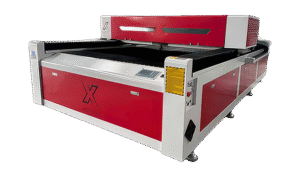
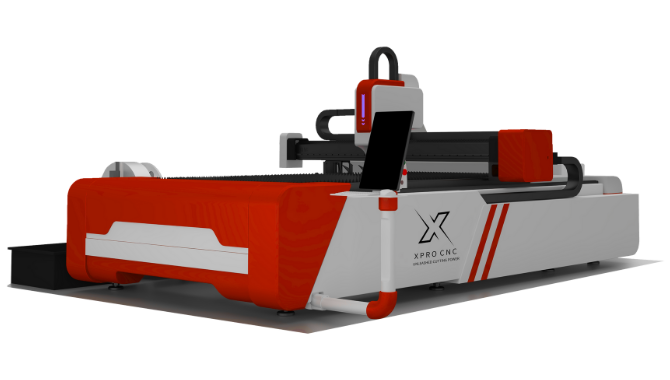
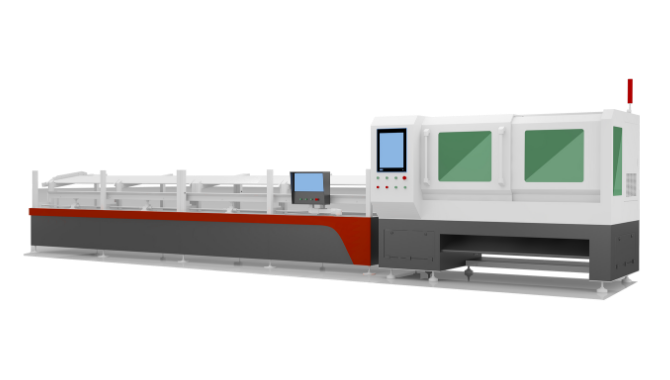
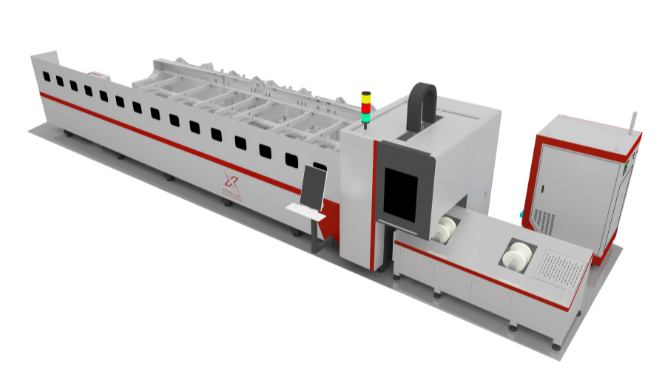
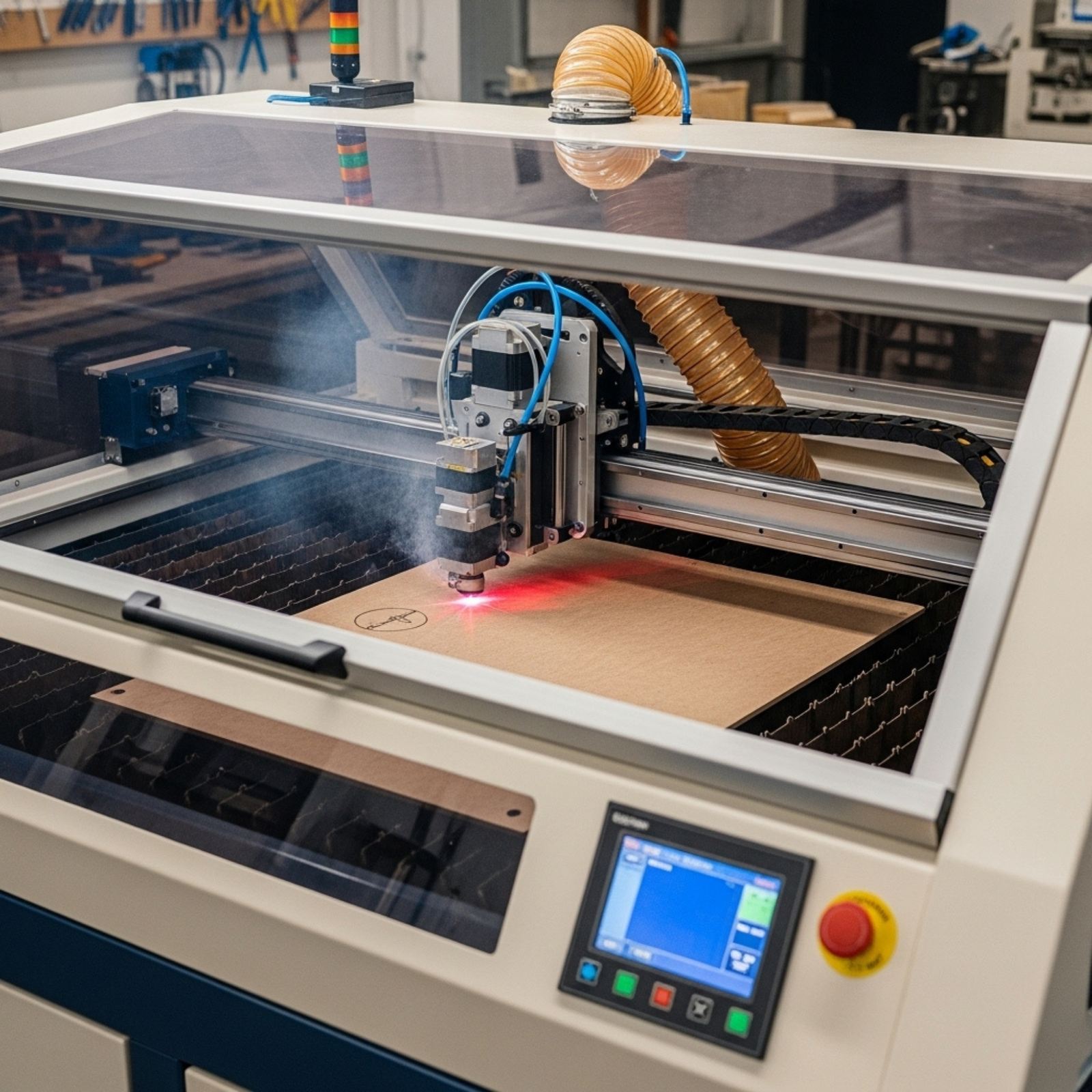
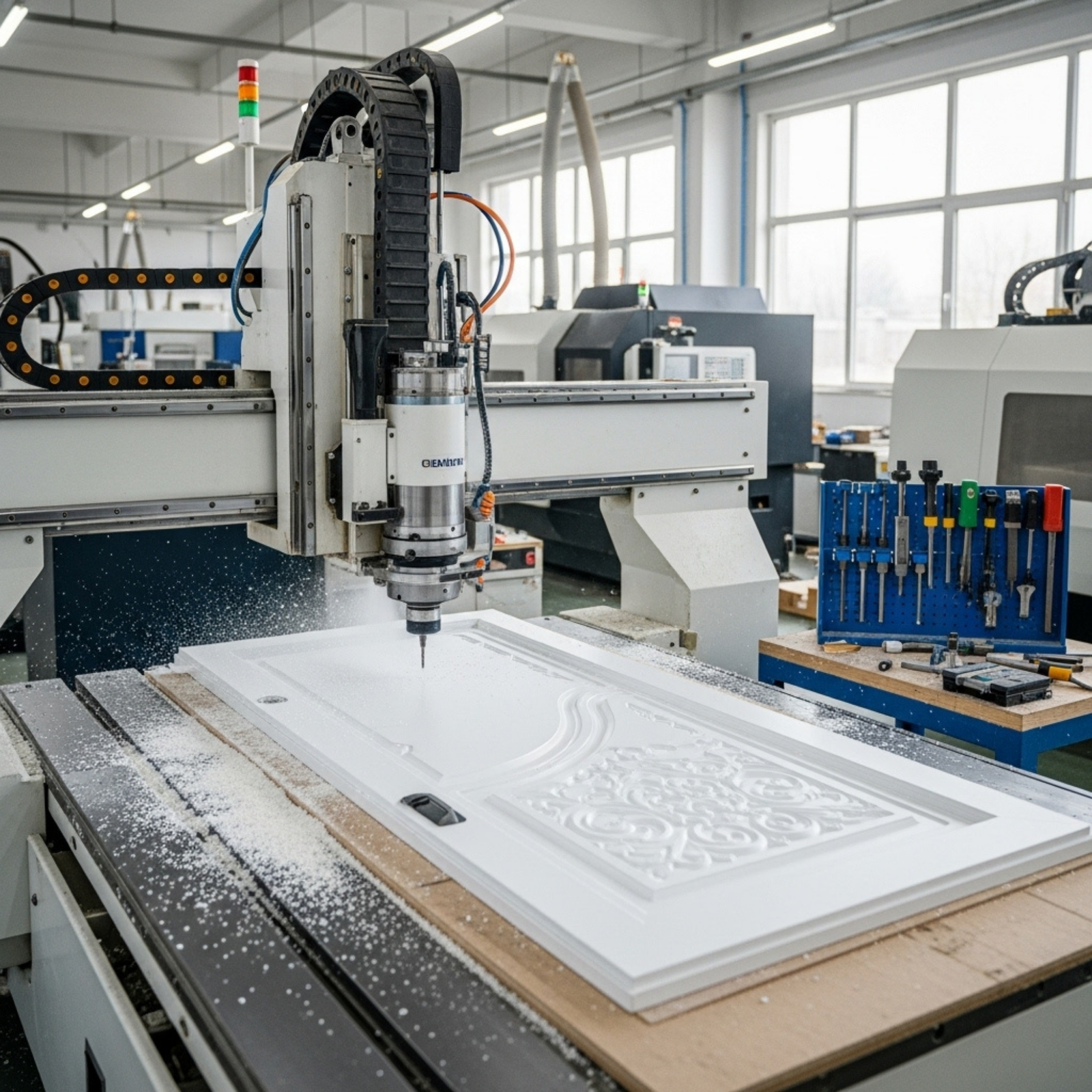
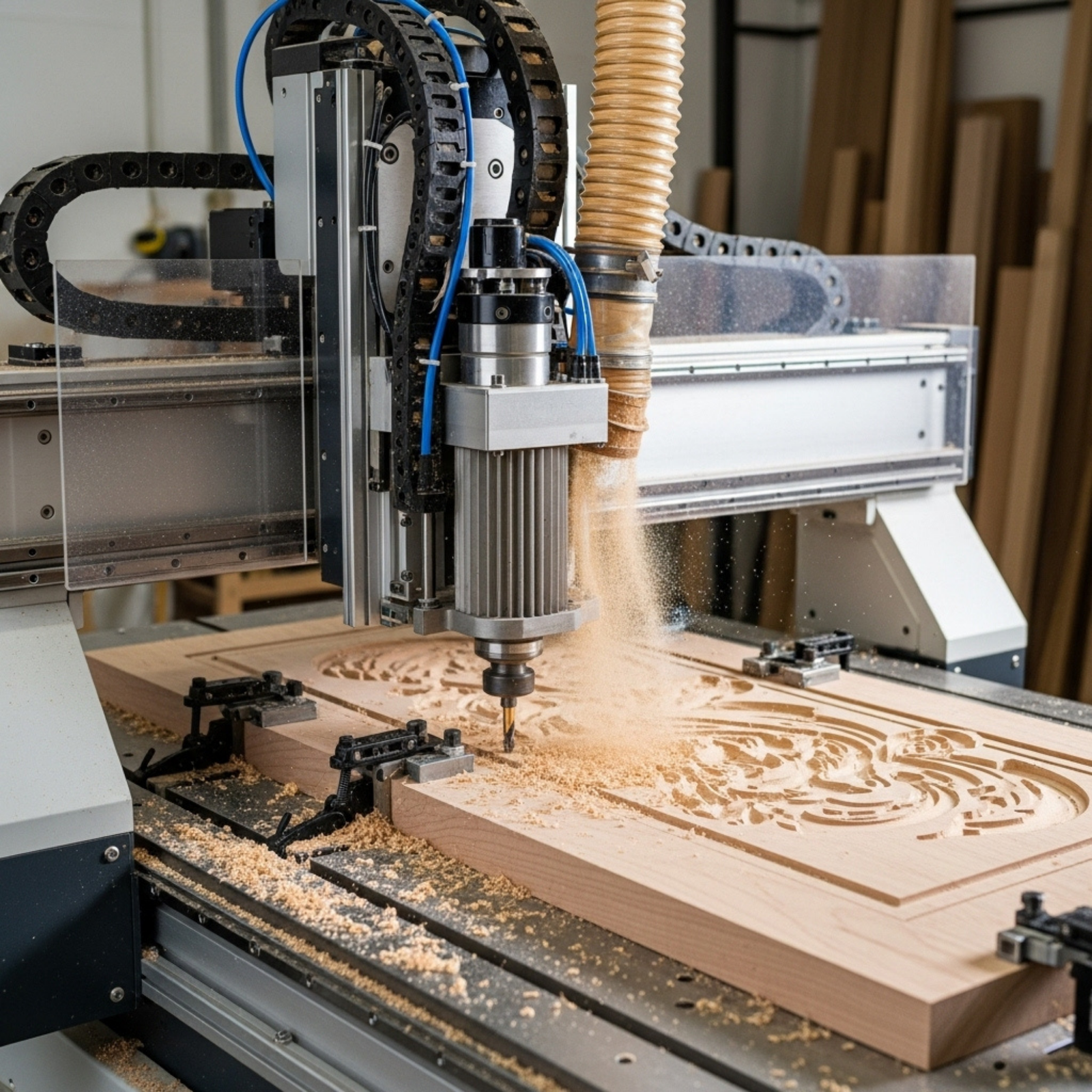
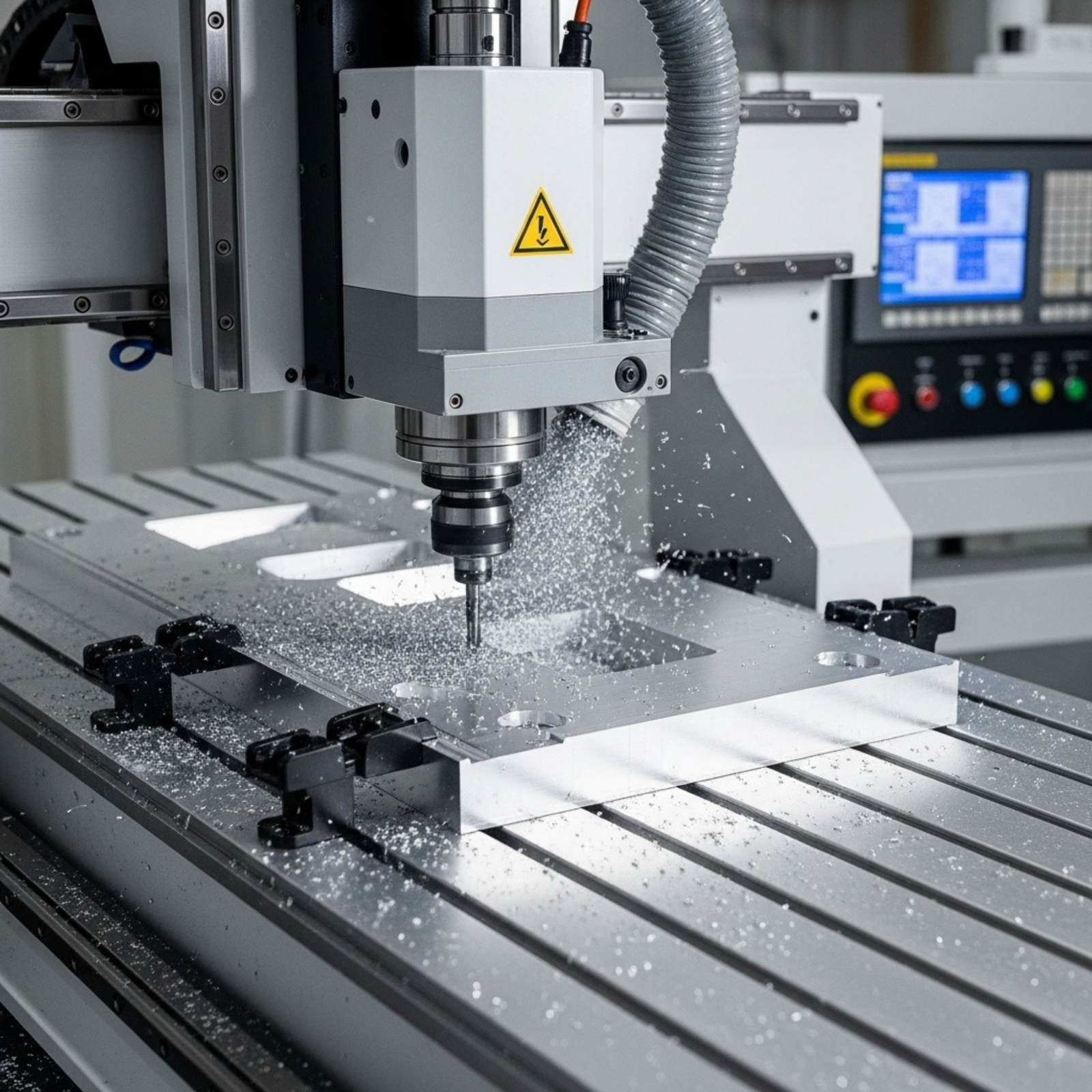

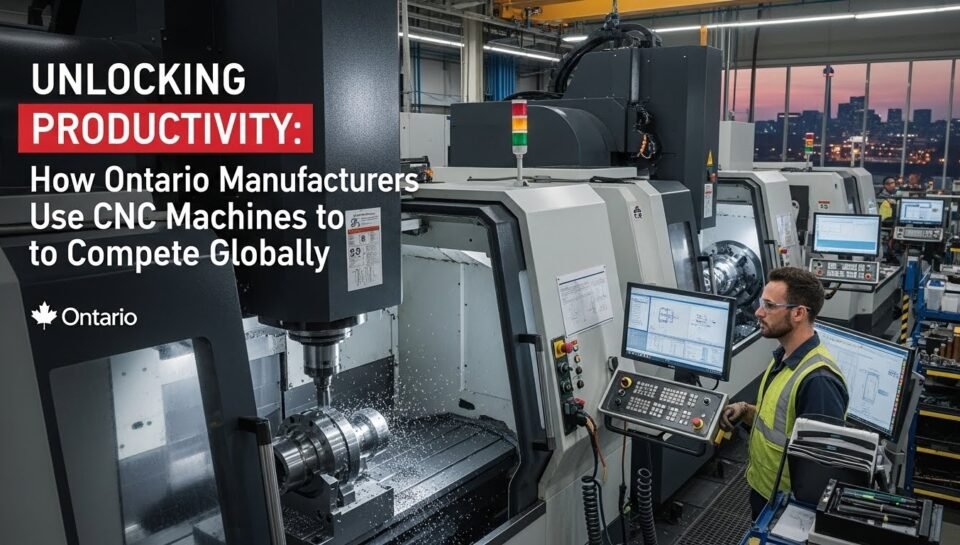
The global manufacturing landscape has shifted dramatically. In 2025, the race to the top is no longer defined merely by who has the cheapest labour, but by who possesses the most agile, precise, and technologically advanced production capabilities. For Ontario, the industrial heartland of Canada, the answer to this global challenge lies in the strategic adoption of advanced CNC machining.
As supply chains tighten and the demand for “zero-defect” manufacturing rises, Ontario’s manufacturers are not just surviving; they are thriving by integrating computer numerical control (CNC) systems into their core operations. This article explores how local industries are unlocking unprecedented productivity and securing their place on the world stage.
The State of Ontario Manufacturing in 2025
Ontario has long been the engine of Canada’s economy. According to recent data from Statistics Canada, the manufacturing sector has shown resilience despite global headwinds. However, the rules of engagement have changed. The “low-cost country” sourcing model is fading, replaced by a focus on supply chain security and total cost of ownership.
In 2025, Ontario manufacturers face two distinct pressures:
- Labour Shortages: An aging workforce has made skilled manual labour scarce.
- Complexity Demands: Clients in aerospace, medical, and automotive sectors now demand geometries and tolerances that manual machining simply cannot achieve.
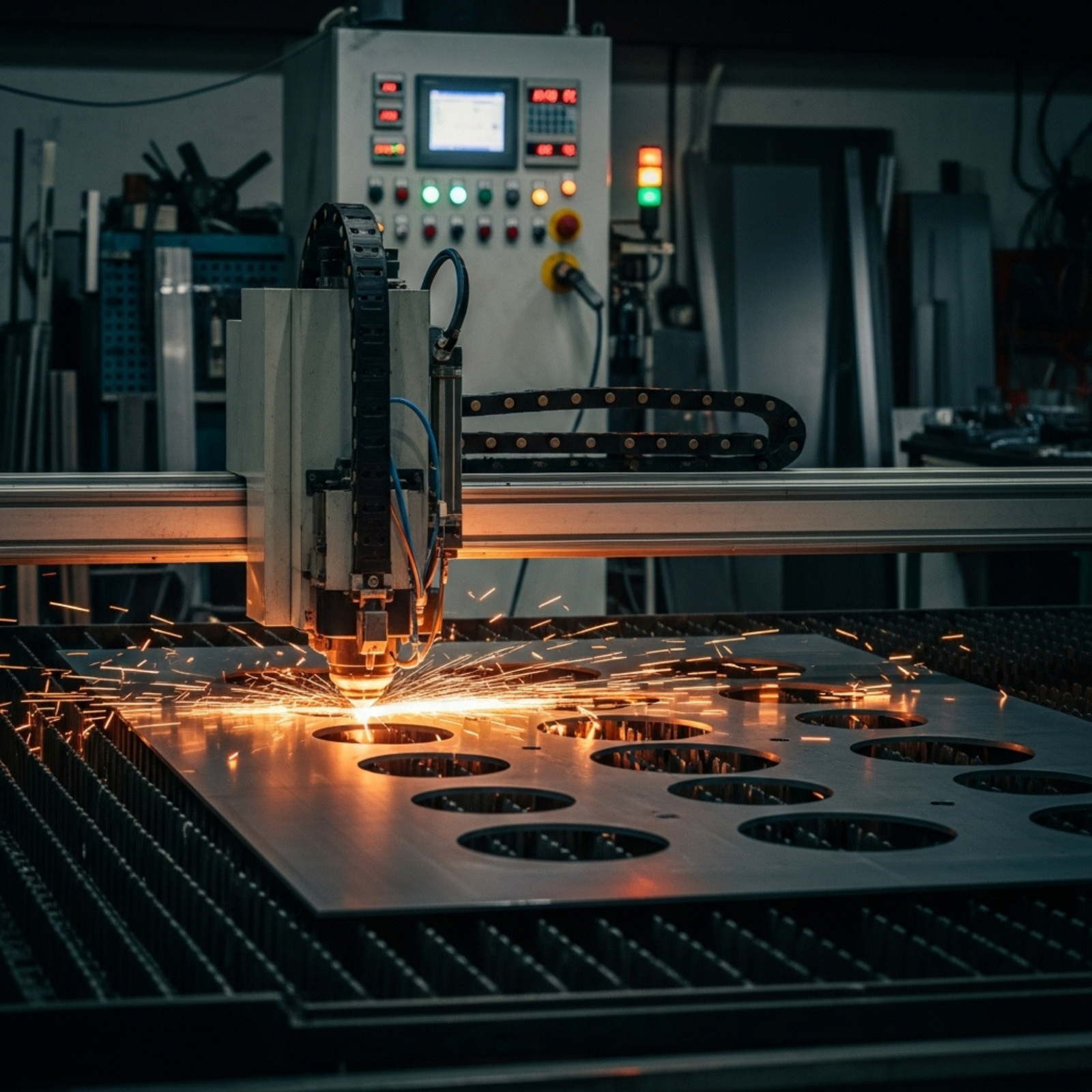
This is where CNC machining Ontario services step in. By automating complex cutting tasks, manufacturers are bridging the skills gap and increasing output without sacrificing quality.
1. Unrivalled Precision and Repeatability
The primary currency in modern manufacturing is precision. In sectors like medical device manufacturing or aerospace, a deviation of a single micron can mean catastrophic failure.
CNC machines operate using pre-programmed software (CAD/CAM) that dictates the movement of factory tools and machinery. Unlike manual control, where human error is a constant variable, CNC machines provide:
- Exact Replication: Whether producing one prototype or 10,000 units, the last part is identical to the first.
- Complex Geometries: Multi-axis CNC machines (5-axis and above) can carve complex shapes that would be impossible for a human hand to fashion.
- Reduced Waste: Higher precision means fewer scrapped parts, directly improving the bottom line.
For Ontario businesses, partnering with high-quality precision manufacturing shops allows them to bid on lucrative international contracts that require strict adherence to ISO quality standards.
2. The Shift to “Lights-Out” Manufacturing
One of the most significant trends in 2025 is the move toward “lights-out” manufacturing—production runs that continue unsupervised overnight or during weekends.
Because CNC machines are fully automated, they can run 24/7 with minimal human intervention, provided they are set up correctly. This capability dramatically increases the throughput of automated machining services, allowing Ontario companies to:
- Slash lead times for urgent orders.
- Maximize the return on investment (ROI) for expensive capital equipment.
- Maintain production schedules even during labour disruptions.
This continuous production cycle is a key differentiator for Canadian companies competing against overseas suppliers who may struggle with shipping delays and timezone logistics.
3. Agility and Supply Chain Resilience
The global disruptions of the early 2020s taught manufacturers a hard lesson: distance equals risk. As a result, there has been a massive trend toward “reshoring”—bringing manufacturing back to North America.
Ontario is perfectly positioned to capitalize on this. By utilizing local custom CNC parts Canada providers, businesses can reduce their inventory costs. Instead of ordering 50,000 units from overseas to justify shipping costs (and paying to store them), companies can order smaller, just-in-time batches from a local CNC shop.
Benefits of Local Sourcing:
- Faster Iteration: Engineering changes can be implemented in days, not months.
- Lower Logistics Costs: eliminating cross-ocean freight fees.
- Regulatory Compliance: Canadian shops adhere to strict labour and environmental standards, which is increasingly important for ESG (Environmental, Social, and Governance) reporting.
4. Addressing the Skills Gap with Technology
It is an indisputable fact that the manufacturing workforce is evolving. As seasoned machinists retire, there are fewer apprentices entering the trade to replace them. CNC technology is the bridge over this demographic gap.
Modern CNC machines, often integrated with robotic loading arms and AI-driven predictive maintenance, allow a single skilled operator to oversee multiple machines simultaneously. This multiplies the productivity of the existing workforce.
Furthermore, the integration of industrial automation Ontario is attracting a new generation of tech-savvy workers. Young professionals are drawn to the clean, high-tech environments of modern CNC facilities, where the work involves programming and system management rather than manual labour.
5. Cost Competitiveness Through Efficiency
A common misconception is that manufacturing in Canada is too expensive compared to developing nations. While hourly labour rates are higher, the cost per part is often competitive when using advanced CNC technology.
Why?
- Speed: A 5-axis CNC machine can complete a part in one setup that might take five different setups on manual machines.
- Quality Control: Automated in-process inspection ensures defects are caught instantly, preventing costly rework.
- Material Optimization: Advanced nesting software ensures maximum usage of raw materials like aluminum, steel, and titanium.
When you factor in the hidden costs of offshore sourcing—quality rejects, shipping delays, travel for site visits, and intellectual property risks—Ontario-based CNC machining often emerges as the superior value option.
Conclusion: The Future is Automated
The manufacturers in Ontario who are winning globally today are those who view technology not as a cost, but as a strategic asset. By leveraging the speed, accuracy, and reliability of CNC machining, they are delivering products that the world needs, faster and better than the competition.
For businesses looking to innovate, the path forward is clear: invest in precision, embrace automation, and partner with local experts who understand the nuances of modern production.
**Information:**The information provided in the content of this article is for informational purposes only and should not be applied without expert opinion. Manufacturing processes and industrial regulations are subject to change; always consult with a qualified engineer or industry specialist for your specific project needs.
Sources: