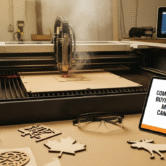


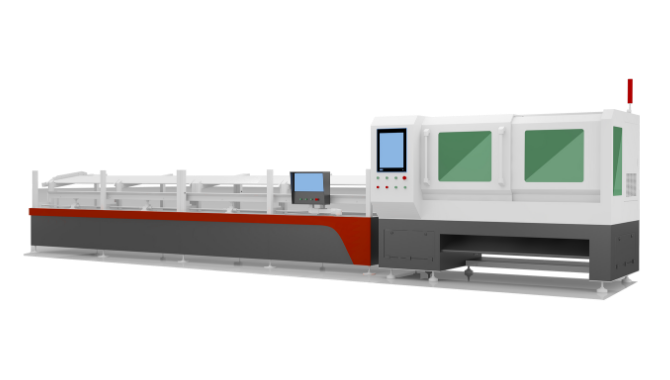
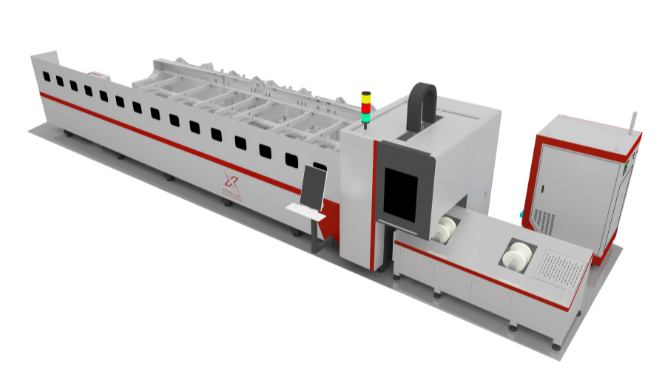
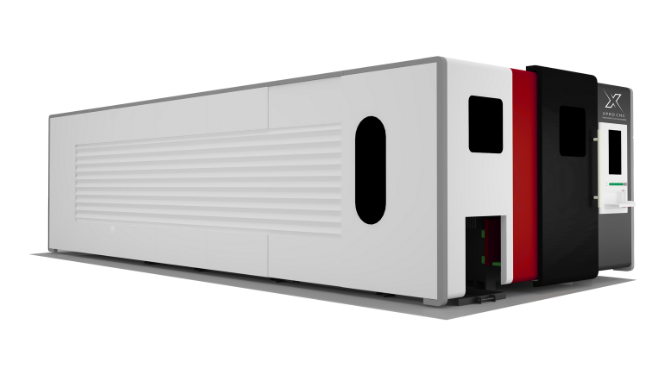
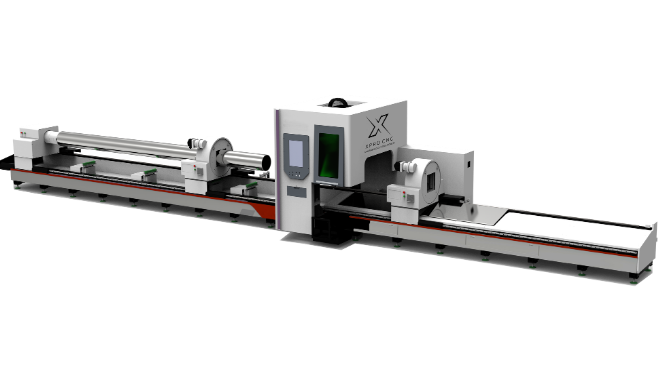

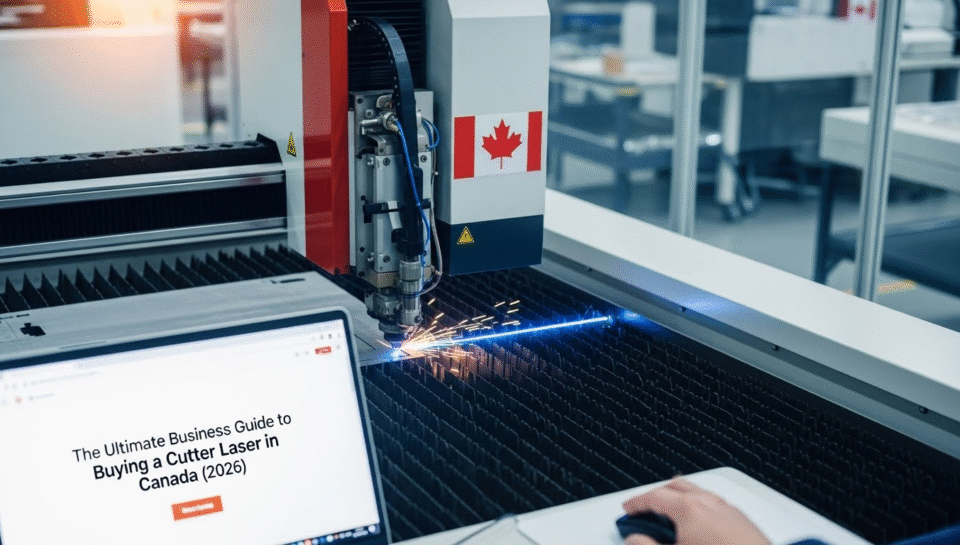
Whether you are a custom sign shop in Toronto, a fabricating startup in Vancouver, or a maker looking to scale up in Montreal, investing in a cutter laser is a pivotal moment for your business. The ability to slice through acrylic, engrave wood, or mark metal with sub-millimeter precision can transform a production line from manual labor to automated profitability.
However, the Canadian market presents unique challenges—from strict CSA electrical standards to the logistical nightmare of shipping glass laser tubes in sub-zero winters. This guide goes beyond the basic specs to help you choose the right machine for your Canadian business.
Understanding the Technology: CO2, Fiber, or Diode?
Before dropping five figures on equipment, you must match the laser source to your business model.
Diode Lasers
These are the entry point. Usually solid-state and compact, diode lasers (like the xTool F1 or D1) are excellent for engraving and cutting thin materials (up to 3-5mm wood).
- Best For: Kiosks, craft fairs, personalization businesses.
- Limitations: Slow cutting speeds; cannot cut clear acrylic (the beam passes through).
CO2 Lasers
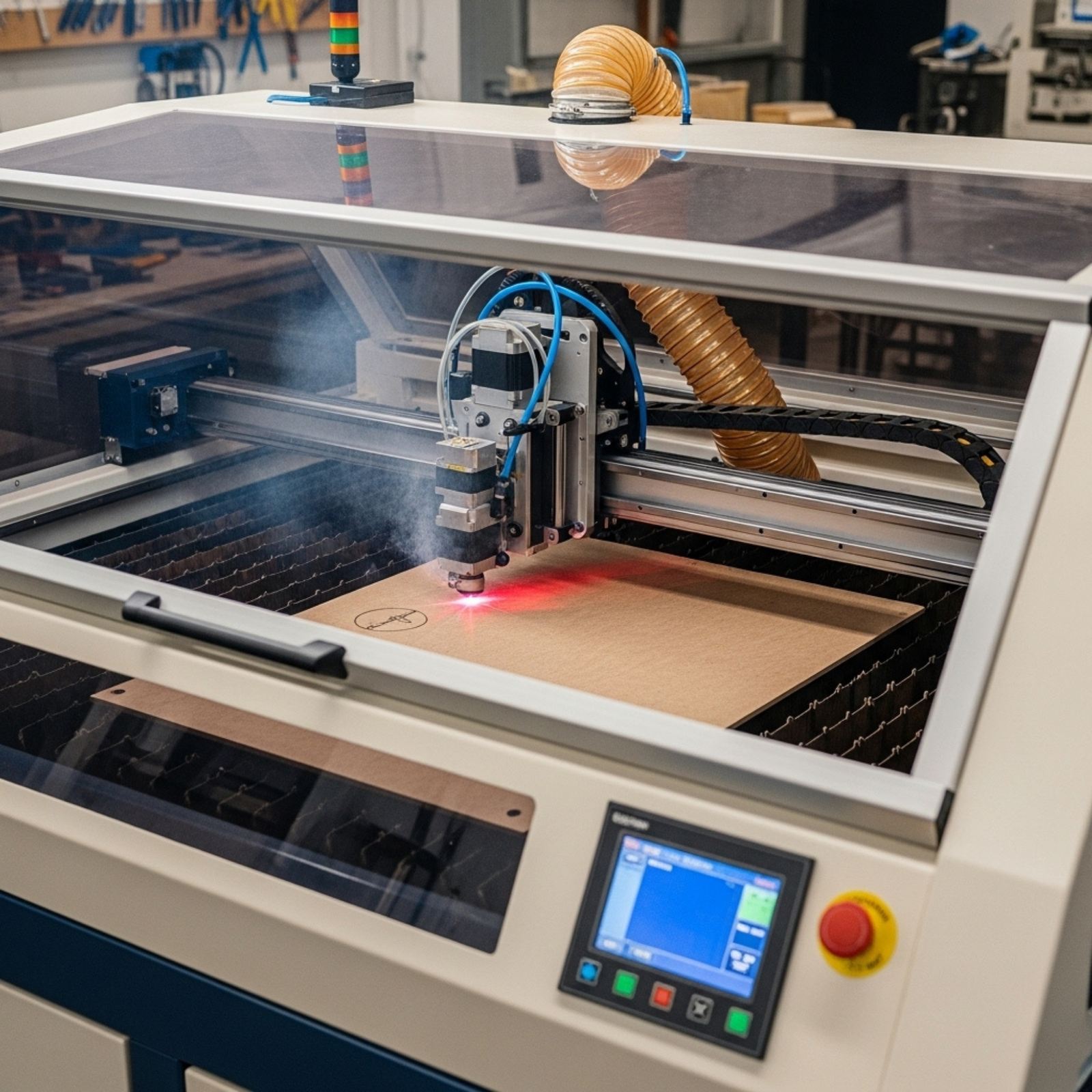
The “cutter laser” standard. A gas-filled tube excites particles to create a beam that is bounced off mirrors. They are incredibly versatile.
- Best For: Cutting acrylic (plexiglass), wood, leather, fabric, and engraving coated metals.
- Business Fit: Signage, architectural models, wedding decor.
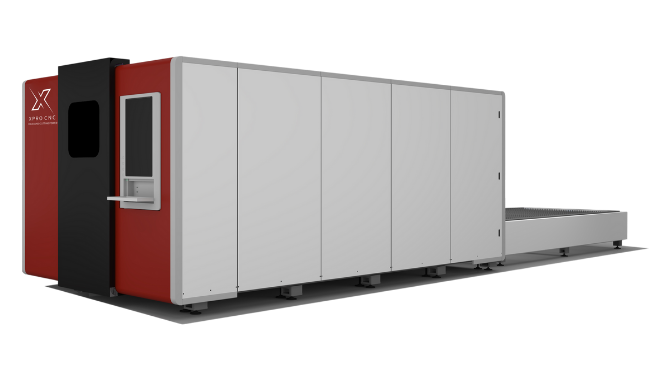
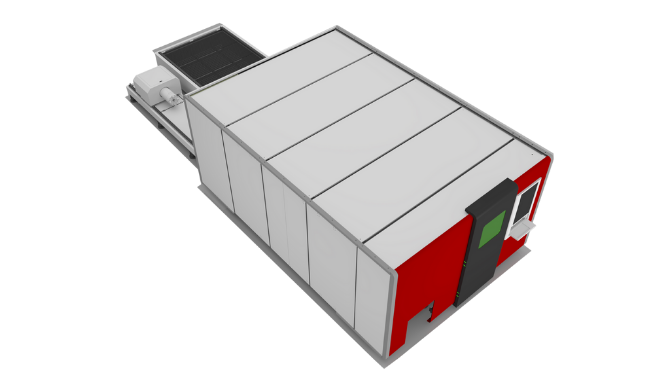
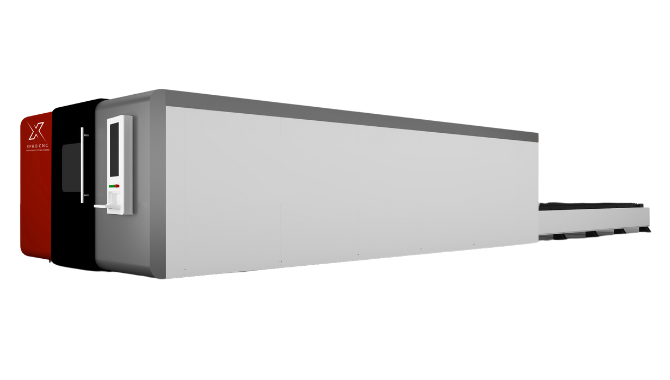
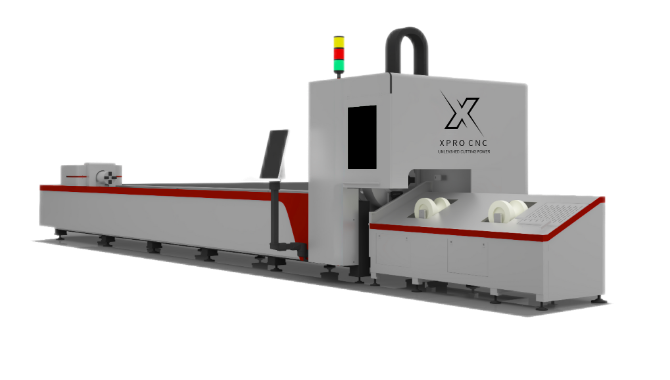
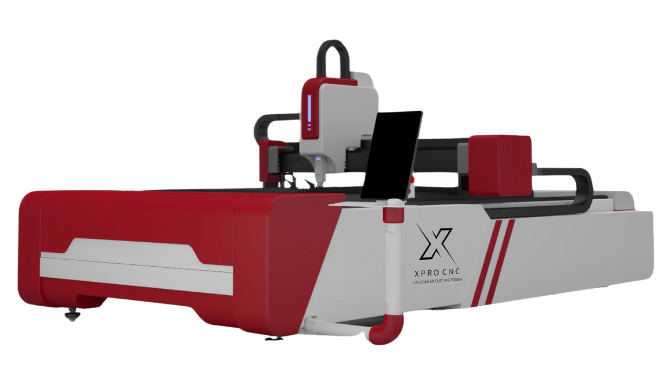
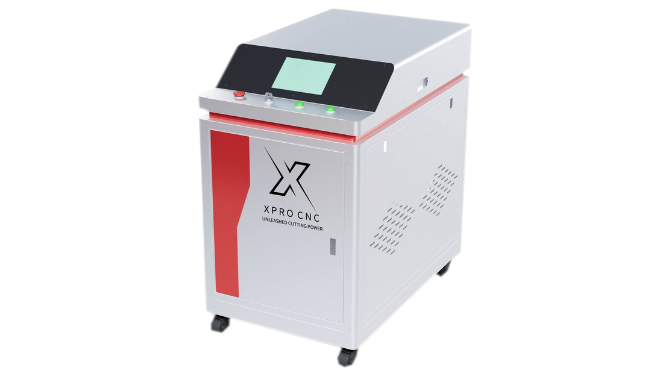
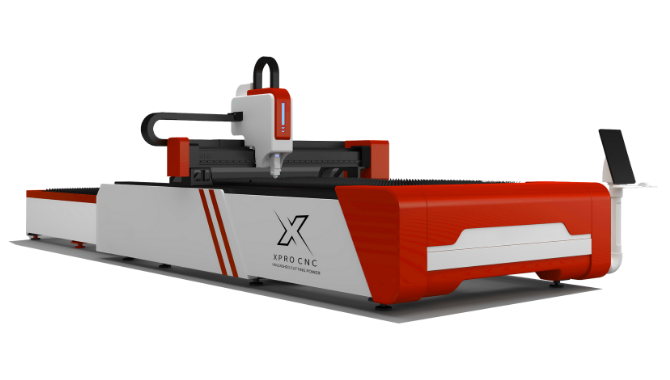
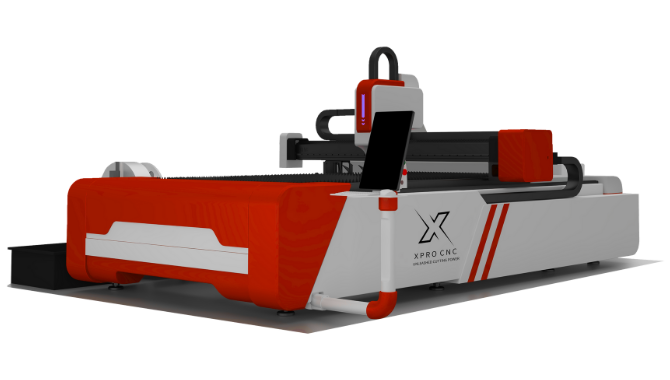
Fiber Lasers
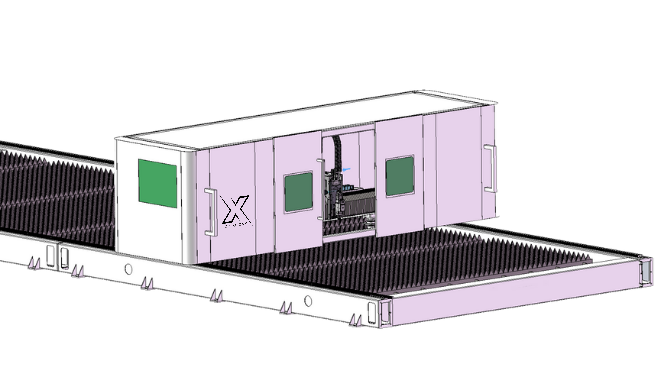
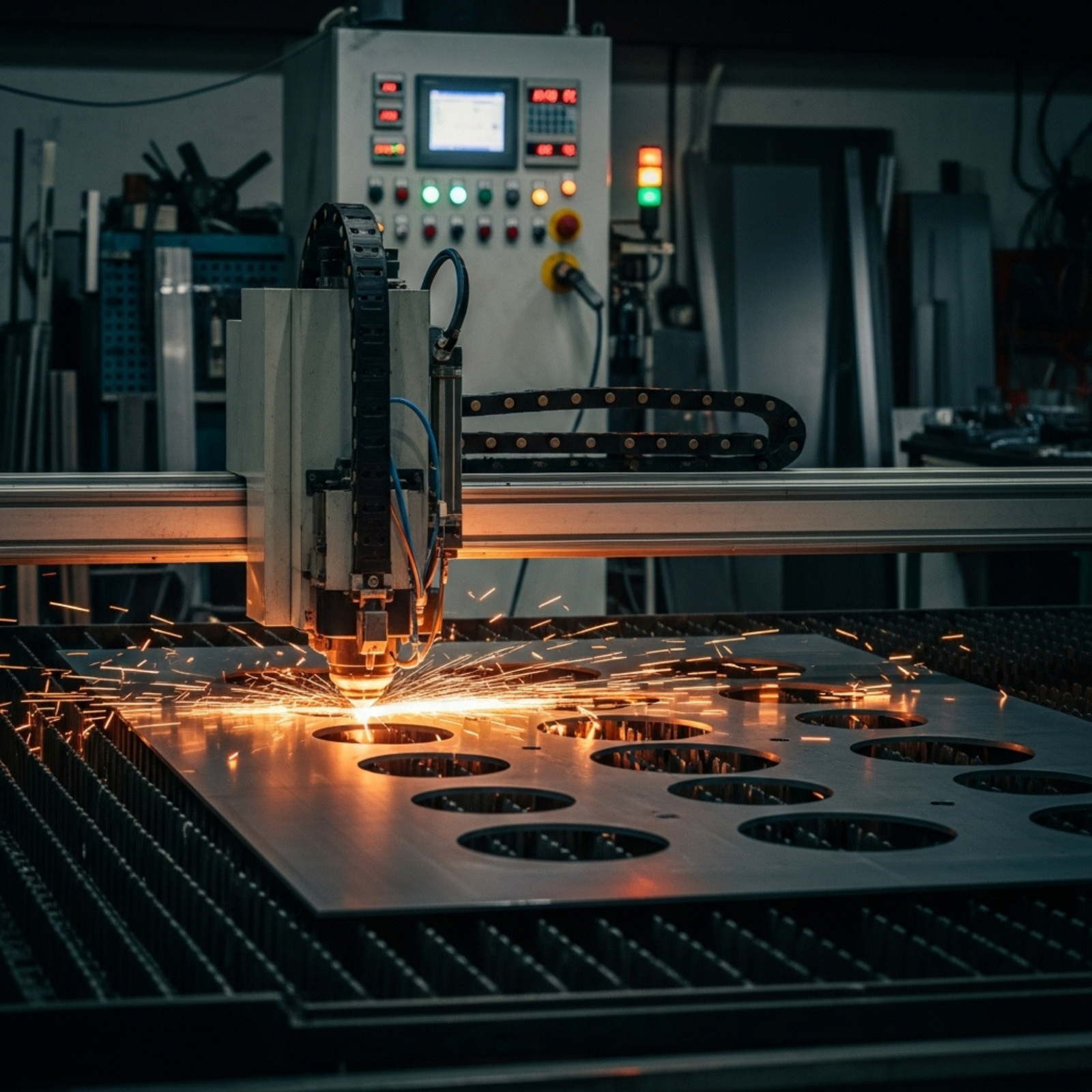
These use optical fibers to amplify the beam. They are significantly more powerful per watt than CO2 for metal applications.
- Best For: Cutting stainless steel, carbon steel, aluminum, brass, and copper.
- Business Fit: Industrial parts, jewelry manufacturing, automotive tags.
Why “Cutter Laser” Choice Matters for Canadian Operations
When you search for a cutter laser, you will find thousands of cheap imports. Buyer beware. In Canada, the regulatory environment is stricter than in the US or Asia.
The CSA Certification Deal-Breaker
This is the single most critical factor for Canadian businesses. The Canadian Standards Association (CSA) or an equivalent (cUL, cETL) must certify electrical equipment used in a workplace.
- The Risk: If you import a non-certified machine and it causes a fire, your business insurance will likely void your claim. Electrical inspectors can also “red tag” (shutdown) non-certified equipment during routine checks.
- The Fix: Look for vendors like Aeon Laser Canada or specialized distributors who explicitly state their machines are “CSA Certified” or “Intertek Lab Approved for Canada,” not just “CE” (which is a European standard and often insufficient for Canadian inspectors).
Applications: What Can You Actually Sell?
A cutter laser is a “money printing machine” only if you have a product-market fit.
- Signage and Branding: Businesses constantly need dimensional signage. Cutting 6mm acrylic letters and spray painting them is a high-margin service.
- Industrial Gaskets: Prototyping rubber or cork gaskets for local automotive or HVAC repair shops.
- Personalized Gifts: From slate coasters to engraved cutting boards. The “Made in Canada” brand is strong; adding “Est. 2025” to a product can double its retail value.
Top Laser Cutter Brands Available in Canada
- xTool / Glowforge: excellent for “kitchen table” businesses. They are user-friendly, have great software, but use proprietary parts and have slower throughput.
- OMTech: The budget king. High capability for the price, but support can be hit-or-miss. You are often the technician.
- Aeon Laser / Thunder Laser: The “Prosumer” sweet spot. Faster stepper motors, better linear rails, and often local Canadian support hubs (e.g., warehouses in Ontario or Alberta).
- Trotec / Epilog: The industrial tier. RF (Radio Frequency) metal tubes that last 10 years, incredible engraving speeds, and white-glove service.
Canadian Pricing Guide (2025 Estimates)
| Machine Class | Price Range (CAD) | Typical Power | Key Feature | |
|---|---|---|---|---|
| Entry/Hobby | $800 – $3,500 | 10W – 40W | Portable, Diode or small CO2 | |
| Small Biz | $5,000 – $12,000 | 60W – 100W | Pass-through doors, DSP controllers | |
| Industrial | $18,000 – $50,000+ | 100W+ / Fiber | Metal cutting, 24/7 duty cycle |
Calculating Your ROI: Is It Worth It?
Let’s calculate the Return on Investment (ROI) for a standard $8,000 CAD CO2 cutter laser.
- Shop Rate: $120/hr (typical for laser services).
- Machine Speed: A 100W machine cuts 2x faster than a 50W machine.
- Scenario: You get an order for 100 custom wooden keychains.
- Material: $30 sheet of birch plywood.
- Cut Time: 1 hour.
- Sale Price: $5.00/unit = $500 total.
- Profit: $500 – $30 (material) – $5 (electricity/tube wear) = $465/hr.
At this rate, the machine pays for itself in roughly 17 hours of billable cutting time.
Essential Accessories & Ventilation
You cannot just buy the laser. You need the ecosystem.
Fume Extraction
Laser cutting vaporizes material. Plastic fumes are toxic; wood smoke is carcinogenic.
- The Canadian Winter Issue: If you simply vent outside, you are pumping your shop’s heat out at 400 CFM. In January, this turns your shop into a freezer.
- Solution: Invest in a recirculating fume extractor (HEPA + Activated Carbon) to keep the warm air inside, or install a makeup air unit.
Chillers
CO2 glass tubes must stay between 16°C and 25°C.
- CW-3000: A radiator (fan only). Okay for low power, not for heavy production.
- CW-5000/5200: Active refrigeration. Essential for any business running a laser more than 30 minutes at a time.
Cold Weather Care: A Unique Canadian Challenge
This is an insight you won’t find in generic guides. Glass laser tubes contain water.
If you ship a laser cutter across Canada in winter, or leave it in an unheated garage over the weekend, the water inside the tube can freeze and shatter the glass.
- Tip 1: When buying in winter, insist on “heated shipping” or drain verification from the seller.
- Tip 2: Use a mixture of improper antifreeze can damage the tube (conductivity issues). Use specialized laser-safe antifreeze or, better yet, keep the shop heated.
- Tip 3: Never fire a cold tube immediately. Thermal shock will crack it.
Maintenance Checklist for Longevity
- Optics (Daily): Clean the focal lens and mirrors with IPA (Isopropyl Alcohol). Dirty optics create heat and crack.
- Water (Monthly): Check for algae growth. Use distilled water only.
- Belts (Quarterly): Check tension. Loose belts cause “wobbly” circles.
- Alignment (Weekly): A “cutter laser” is useless if the beam hits the nozzle wall. Learn to perform a “tape shot” alignment.
Future Trends in Laser Cutting
- Camera Integration: Machines like the xTool P2 and Glowforge utilize cameras to overlay designs on the material, reducing waste.
- Hybrid Heads: Heads that swap between diode (for detailed engraving) and CO2 (for power cutting) are becoming more common.
Quick Takeaways
- Certification is King: Ensure your machine is CSA/cUL approved to avoid insurance nightmares.
- Power = Speed: A higher wattage machine (80W+) cuts thicker material faster, directly improving profit margins.
- Ventilation Strategy: Plan for fume extraction that doesn’t vent all your heat during Canadian winters.
- Watch the Cold: Freezing temperatures destroy CO2 tubes; climate control is mandatory.
- Buy Local Support: A distributor in Canada saves you from customs delays and timezone headaches when you need parts.
Conclusion
Investing in a cutter laser is more than purchasing a tool; it is acquiring a manufacturing capability. For Canadian business owners, the key lies in balancing budget with compliance (CSA) and climate considerations. Whether you choose a high-end Trotec or a value-focused OMTech, the ROI potential on personalized and industrial goods in Canada remains incredibly high.
Ready to start? Assess your workspace for power and venting today, and request sample cuts from your top 3 vendors to compare quality before you buy.
FAQs
1. Do I really need a CSA-approved laser cutter in Canada? Yes. While you might legally own a non-certified machine for personal hobby use, using it for business violates most commercial insurance policies and provincial electrical safety codes.
2. What is the best laser cutter for a small home business? For small items and ease of use, the xTool P2 or Glowforge are top contenders. For higher production volume, a 60W OMTech or Aeon Mira offers better speed and durability.
3. Can a CO2 laser cut metal? Generally, no. Standard CO2 lasers can mark metal if you use a spray like Cermark, but they cannot cut it. You need a Fiber laser or a very high-powered industrial CO2 (150W+ with oxygen assist) to cut metal.
4. How much does it cost to run a laser cutter per hour? Excluding operator labor, the running cost (tube wear + electricity) is typically low, around $0.50 to $1.00 CAD per hour.
5. How long does a laser tube last? A standard DC glass CO2 tube lasts 1,000 to 2,000 hours of cutting time. RF metal tubes (found in high-end machines) can last 10,000+ hours but cost significantly more to replace.
We’d Love to Hear From You! Are you running a laser business in Canada? What’s your biggest challenge—sourcing materials or managing machine maintenance? Share your thoughts in the comments below or tag us on social media with your best projects!
References
- CSA Group. “Product Certification and Standards.” https://www.csagroup.org
- Thunder Laser Canada. “Laser Cutter Pricing and Specs.” https://www.thunderlaser.ca
- Xometry. “CO2 vs. Fiber Laser: The Main Differences.” https://www.xometry.com
- Health Canada. “Safety of Laser Products (Consumer and Clinical).” https://www.canada.ca