

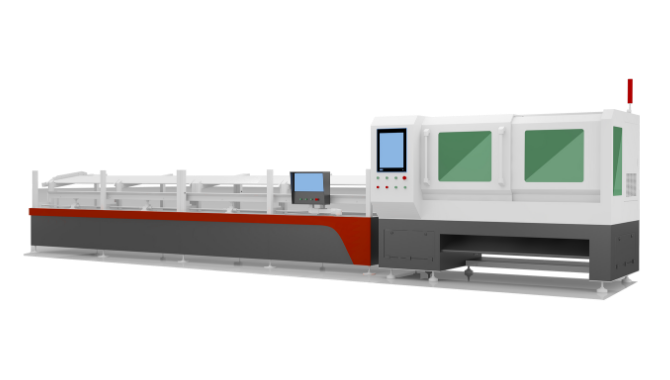
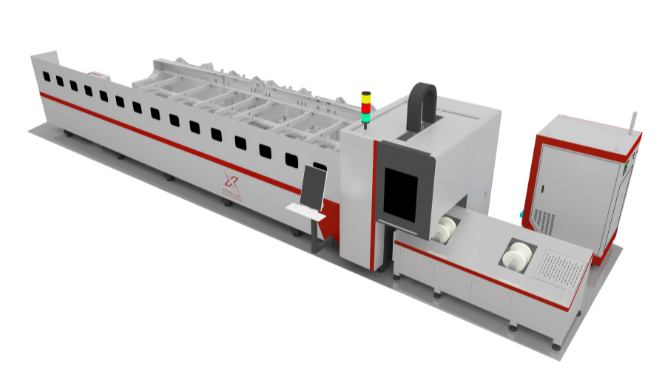
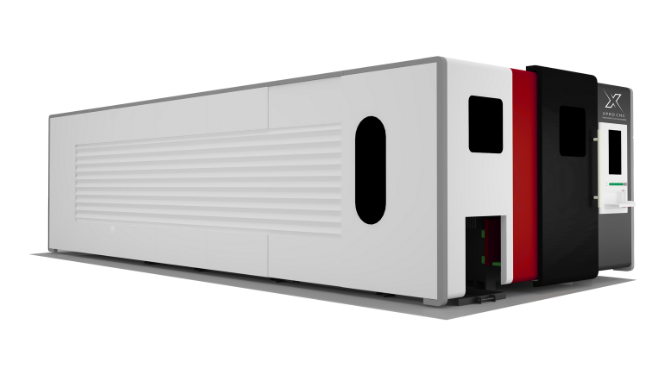
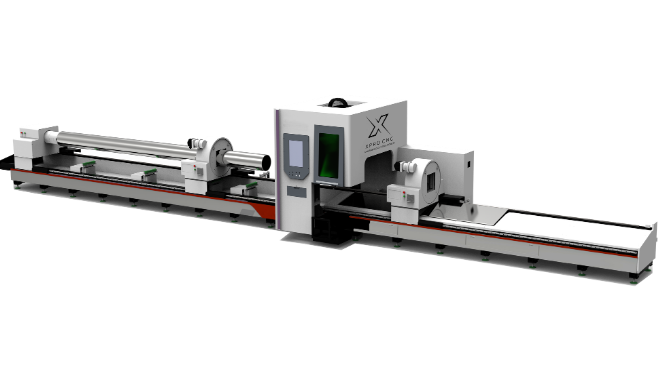

Are you looking to expand your manufacturing capabilities or start a precision customization business? The search for a laser cutting machine sale Canada often leads down a rabbit hole of conflicting specs, hidden import fees, and vague pricing. For Canadian business owners, the stakes are higher than just choosing a brand; you need equipment that meets strict safety codes, withstands heavy production cycles, and comes with reliable local support.
Whether you are in Toronto, Vancouver, or rural Alberta, the right laser cutter can be a revenue-generating powerhouse. Conversely, the wrong choice—often a cheap, non-compliant import—can result in insurance nightmares and production downtime. This guide cuts through the noise, offering a clear, business-focused analysis of the Canadian laser market, from pricing and financing to the critical difference between Fiber and CO2 technologies. Let’s prepare your shop for its next big upgrade.
The State of the Laser Cutting Market in Canada
The Canadian market for laser technology has matured significantly. Gone are the days when your only options were a six-figure industrial machine or a dangerous DIY kit from overseas. Today, a robust “prosumer” and mid-range industrial market exists, catering specifically to Canadian SMEs (Small and Medium Enterprises).
Why Local Support Matters (Time Zones & Spare Parts)
When your laser tube fails in the middle of a rush order, you cannot afford to wait for support in a timezone 12 hours ahead. Top-tier distributors now maintain warehouses in major hubs like Mississauga, Calgary, and Montreal.
Insight: Always ask a potential vendor for their “First-Time Fix Rate.” A vendor with stock in Canada can usually ship a replacement power supply or lens overnight. If they have to order it from the factory in China or Europe, you are looking at 5-10 days of lost revenue.
CSA Certification: A Non-Negotiable for Canadian Businesses
This is the single most overlooked factor by new buyers. In Canada, electrical equipment used in a commercial setting must be approved by an accredited body like CSA, cUL, or ETL. Many “direct-from-factory” imports lack this. If an electrical fire occurs, your business insurance may void your claim if the machine wasn’t certified. Reputable Canadian sellers like Aeon Laser Canada and Trotec ensure their machines are fully compliant before they reach your floor.
Defining Your Needs: Fiber vs. CO2 Laser Technology
Understanding the physics behind the beam is crucial to avoiding a costly mistake.
CO2 Lasers: The Master of Organics
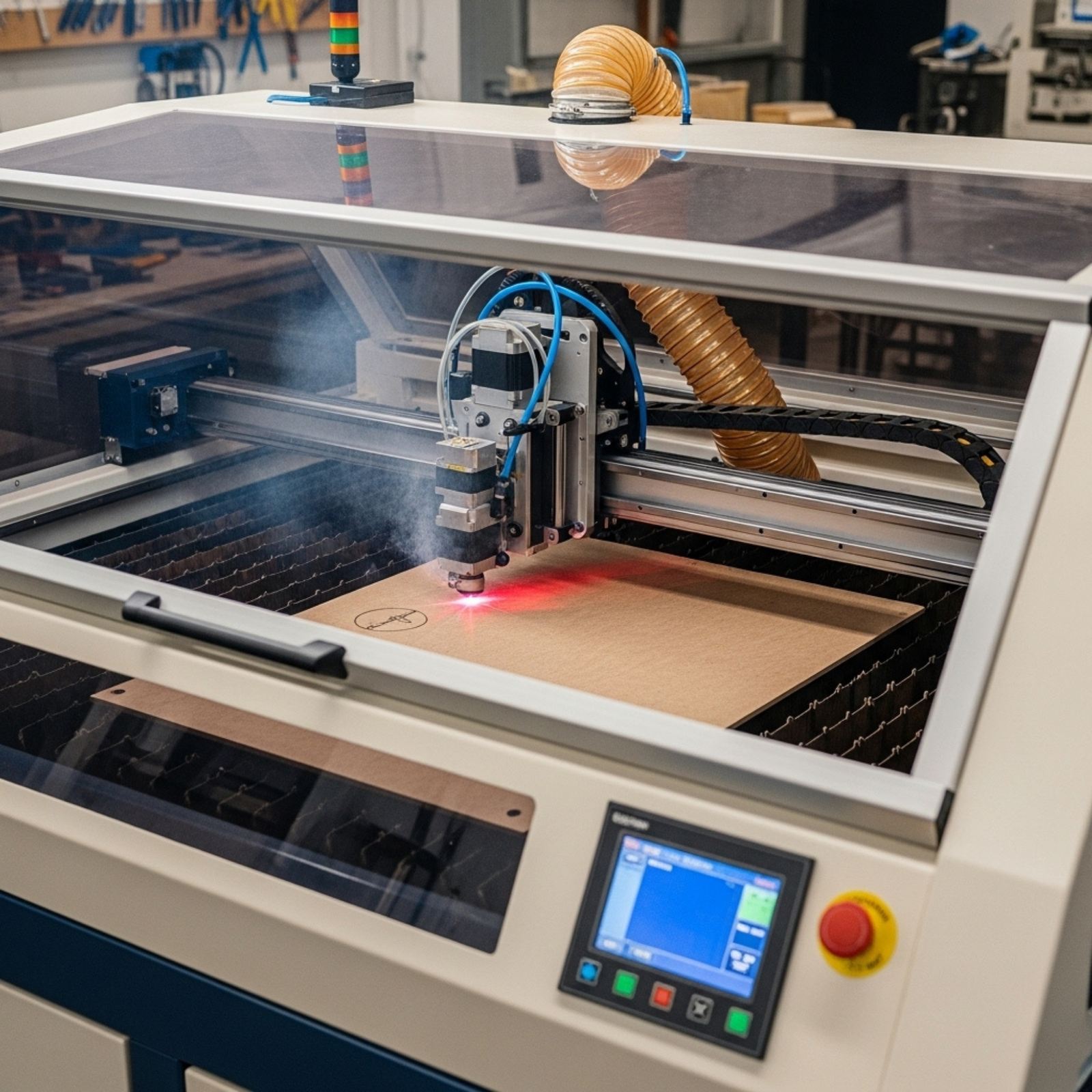
CO2 lasers (typically 40W to 150W for glass tubes, or higher for RF metal tubes) are the workhorses for:
- Cutting: Acrylic (Plexiglass), Wood (Birch, MDF), Leather, Fabric, Paper.
- Engraving: Glass, Coated Metals (anodized aluminum), Stone.
- Note: A standard CO2 laser cannot cut bare metal effectively.
Fiber Lasers: The Industrial Metal Standard
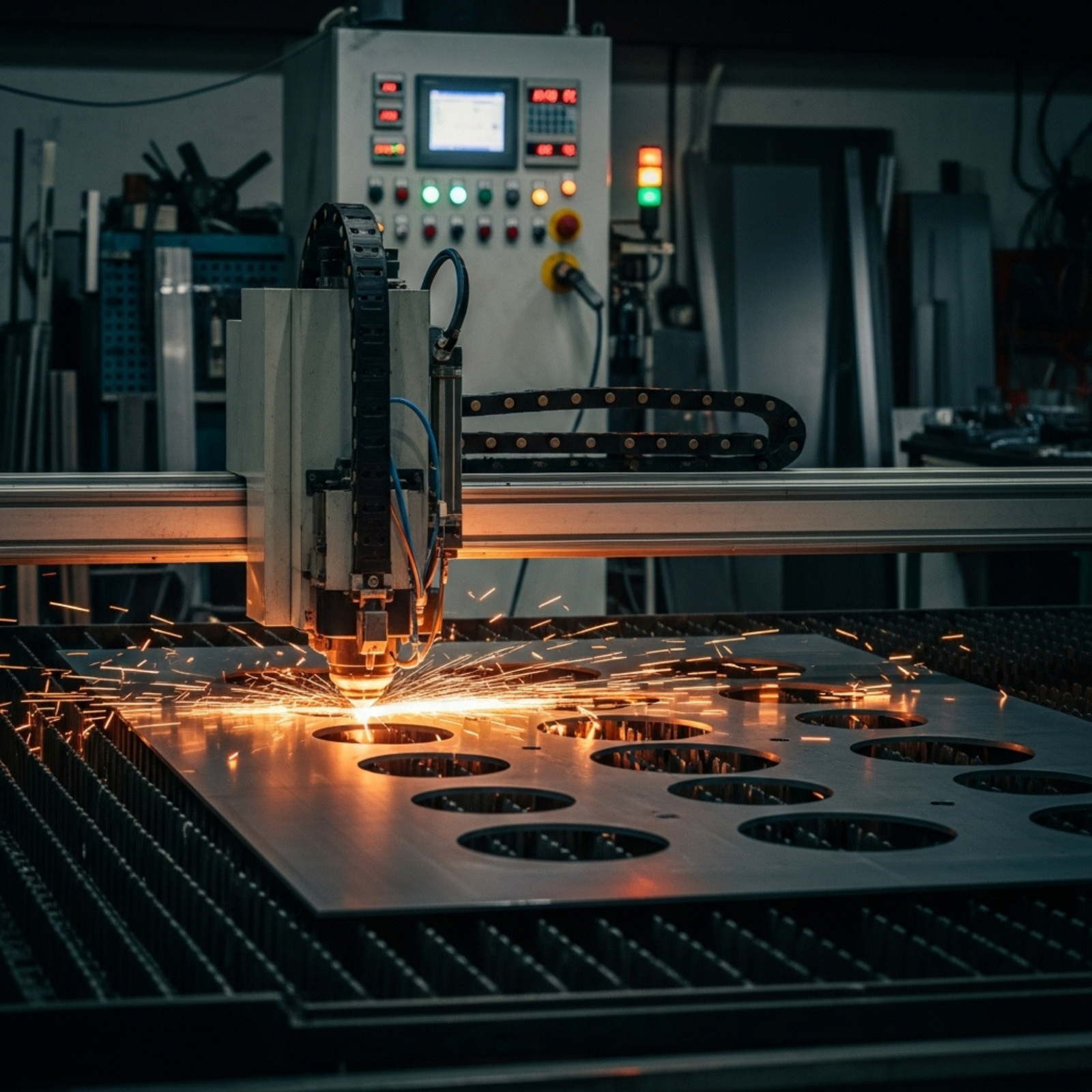
If your primary goal is cutting stainless steel, carbon steel, or aluminum, you need a Fiber laser. These solid-state lasers operate at a wavelength (1.064 micrometers) that is readily absorbed by metal.
- Speed: A 2kW Fiber laser can slice through thin sheet metal 3-5 times faster than a high-powered CO2.
- Maintenance: No mirrors to align and no gas tubes to refill.
Alt Text: Comparison chart showing wavelength differences between Fiber and CO2 lasers and their material absorption rates.
Price Breakdown: How Much Does a Laser Cutter Cost in Canada?
Pricing in Canada fluctuates based on the exchange rate and import tariffs, but here are the 2026 market benchmarks.
Entry-Level Desktop Units ($2k – $8k CAD)
Brands like xTool or entry-level OMTech units fall here.
- Pros: Low barrier to entry.
- Cons: Slow speeds, small work beds (12″x20″), often require aftermarket upgrades (cooling, air assist) to be production-ready.
Professional Small Business Units ($10k – $25k CAD)
This is the “sweet spot” for trophy shops, sign makers, and schools. Brands like Thunder Laser (Nova series) and Aeon (Mira/Nova) dominate.
- Expect: RF metal tubes or high-quality glass tubes, faster servo motors, and autofocus capabilities.
- Key Feature: Pass-through doors that allow you to work on oversized material sheets.
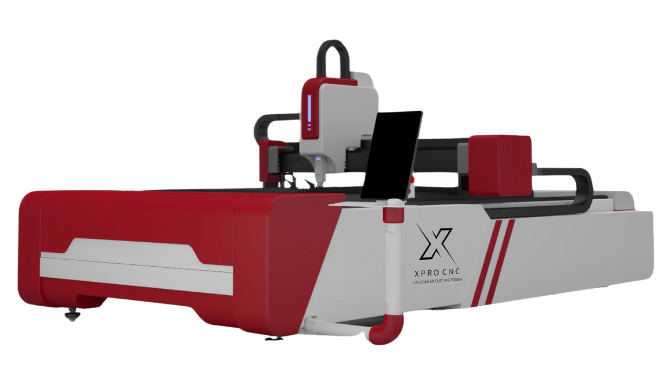
Industrial Flatbed Systems ($50k – $200k+ CAD)
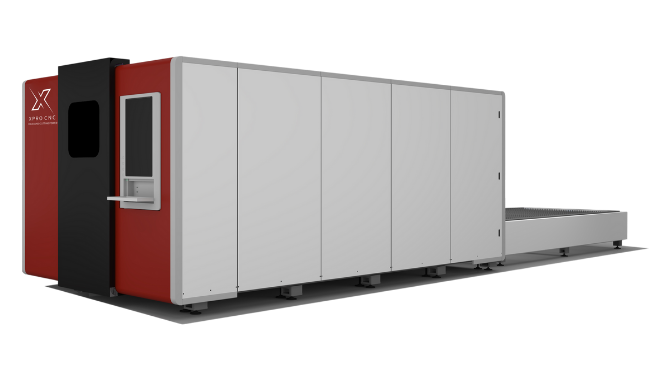
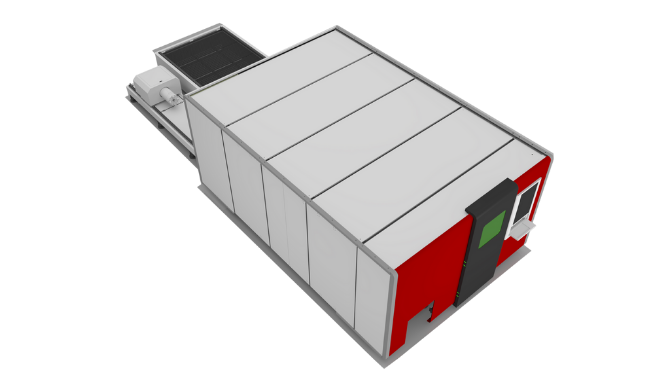
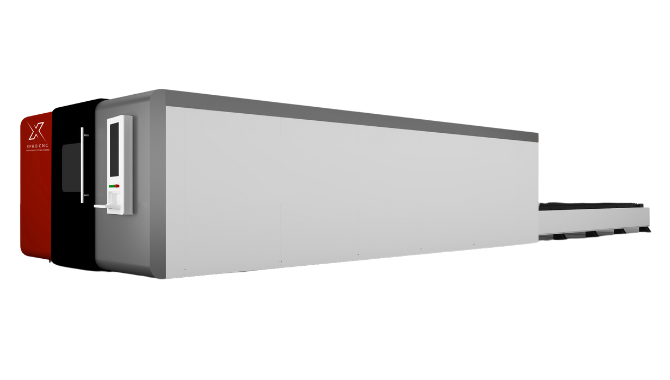
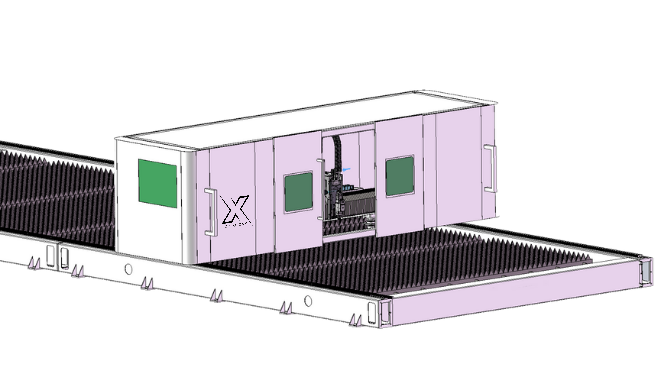
For full 4’x8′ or 5’x10′ sheet capacity. Brands like BesCutter, Trotec, and Alpha Lazer.
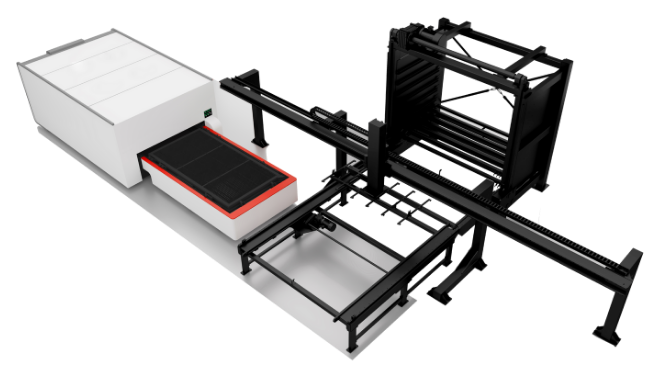
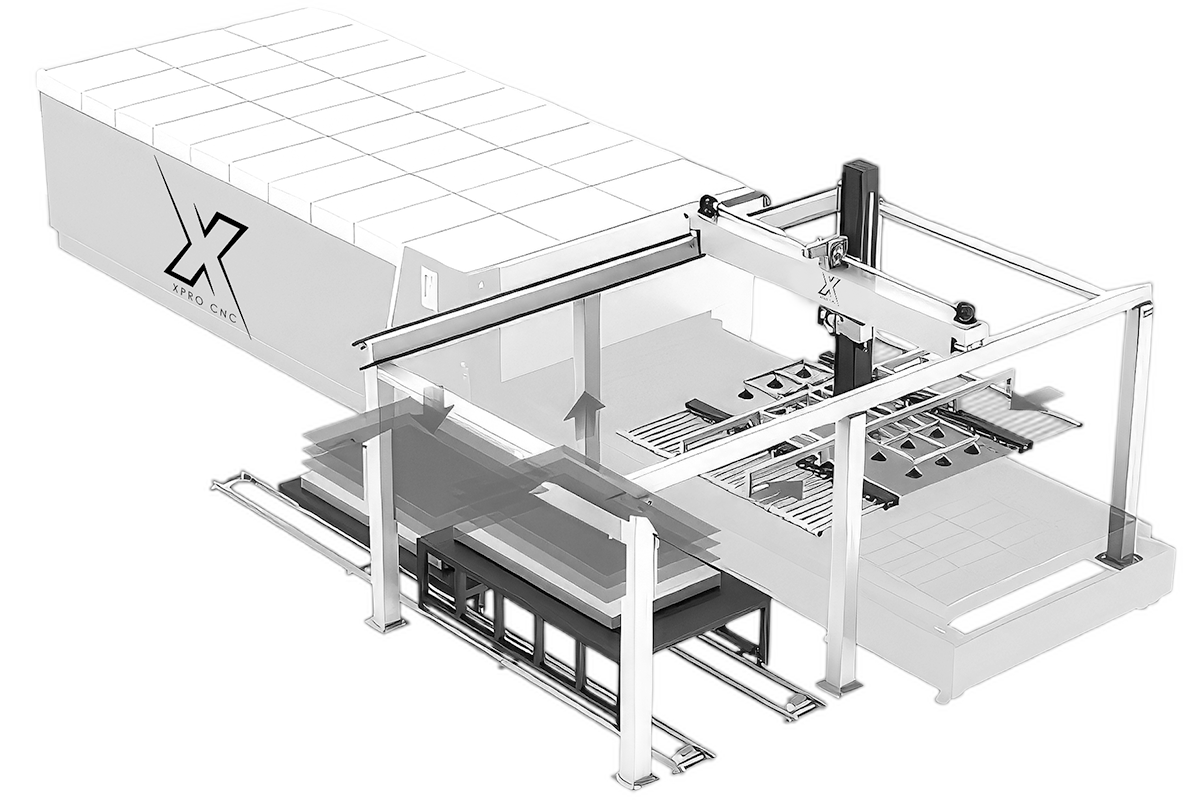
- Expect: Kilowatt-class power (1kW – 12kW), shuttle tables for continuous loading, and integrated heavy-duty fume extraction.
Financing and Leasing Options for Canadian SMEs
Equipment financing is a powerful tool to maintain cash flow.
Tax Advantages (CCA Classes) for Machinery
In Canada, laser cutting equipment typically falls under specific Capital Cost Allowance (CCA) classes (often Class 53 for manufacturing machinery), allowing for accelerated depreciation. This means you can write off a significant portion of the machine’s cost against your taxable income in the first year.
- Tip: Consult your CPA about the “Immediate Expensing” rules currently applicable to Canadian Controlled Private Corporations (CCPCs).
Leasing vs. Buying
Leasing companies in Canada (like those partnered with specialized distributors) often offer “lease-to-own” structures.
- Lease: Payments are 100% tax-deductible as an operating expense.
- Loan: You own the asset immediately, but only the interest and depreciation are deductible.
Top Canadian Distributors and Brands to Watch
The Heavy Hitters vs. Value Leaders
- Trotec & Epilog: The “Mercedes-Benz” of the industry. Known for RF metal tubes that last 5-7 years and incredible engraving speeds. You pay a premium for the brand and longevity.
- Thunder Laser & Aeon: The “Toyota/Honda” tier. They offer an exceptional balance of performance and price. They utilize glass tubes (cheaper to replace) but have engineered chassis that rival the top tier.
Industrial Giants
- Spark & Co: Based in Quebec, they are a go-to for high-end industrial fabrication needs, offering waterjet and laser combos.
- BesCutter: Gaining traction for offering accessible industrial fiber lasers, bridging the gap between small shops and heavy industry.
Critical Specs to Check Before You Buy
Laser Tube Power and Lifespan
- Glass Tubes (DC): Water-cooled. Cheaper ($500-$1000 CAD replacement). Life: 2,000 – 4,000 hours. Good for cutting.
- RF Metal Tubes: Air-cooled. Expensive ($5,000+ CAD replacement/refill). Life: 10,000 – 20,000 hours. Incredible engraving detail.
Software Compatibility
Does the machine lock you into proprietary software?
Pro Tip: Look for machines compatible with LightBurn. It is the industry standard for a reason—intuitive, powerful, and works on Windows, Mac, and Linux. Most Chinese and Hybrid machines (Thunder, Aeon, OMTech) run it. Trotec uses its own Ruby® software, which is excellent but proprietary.
Used Laser Cutting Machines for Sale in Canada
Buying used can save you 30-50%, but it carries risk.
Where to Find Reliable Used Gear
- Surplus Record & Kijiji: Common for industrial gear.
- Distributor Trade-Ins: The safest bet. Companies like Trotec often sell “certified pre-owned” units that have been serviced and calibrated.
Inspecting a Used Tube
The laser tube is the “engine.” If buying a used CO2 laser, ask for a power output test. A 100W tube producing only 70W is near the end of its life. Factor a $1,000 CAD replacement tube into your offer price.
Alt Text: Infographic showing 5 points to check on a used laser cutter: Tube date code, mirror clarity, belt tension, bed level, and chiller condition.
Installation and Facility Requirements
Ventilation and Fume Extraction
You cannot simply stick a pipe out the window in many Canadian municipalities.
- External Venting: Requires a clear path to the outdoors, away from air intakes.
- Filtration Units: If venting isn’t possible, you need a heavy-duty filtration unit (like a BOFA or generic equivalent) that uses HEPA and Activated Carbon filters. Budget $2,000 – $5,000 CAD for this.
Electrical Requirements
Most desktop units run on standard 110V. However, once you step up to industrial fiber lasers or high-power chillers, you will need 220V single-phase or even 600V three-phase power. Verify your shop’s amperage capacity before the truck arrives.
Case Study: ROI of Adding Laser Services to a Canadian Print Shop
The Shop: “Maple Leaf Prints” (fictionalized aggregate example), Toronto, ON. The Investment: $18,000 CAD for a 100W CO2 Laser (Nova 51 equivalent) + Filtration. The Application: Custom acrylic signage for weddings and corporate awards.
- Cost of Materials: $15 per sheet of cast acrylic.
- Production Time: 15 minutes per sign.
- Sell Price: $85 per sign.
- Profit per Hour: Approx $200 (after labor/power).
Result: The machine paid for itself in roughly 5 months with just 10 hours of utilization per week.
Quick Takeaways: 7 Steps to Your First Purchase
- Identify Material: Metal = Fiber; Organic = CO2.
- Budget Correctly: Machine cost + 25% for shipping, duties, venting, and chiller.
- Check Certification: Ensure the unit is CSA/Intertek approved.
- Test Drive: Visit a showroom (Mississauga/Montreal/Vancouver) or ask for a video demo on your file.
- Software: Prioritize LightBurn compatibility for ease of use.
- Support: Confirm the vendor has Canadian stock of spare parts.
- Power: Verify your facility has the voltage/amps required.
Conclusion: Making the Right Investment for Your Growth
Finding the best laser cutting machine sale Canada offers is about balancing immediate budget constraints with long-term operational costs. While it is tempting to import a cheap unit directly from overseas, the “grey market” risks—lack of CSA certification, zero support, and shipping damage—often outweigh the savings.
For Canadian business owners, the smart money is on establishing a relationship with a domestic distributor who understands our unique regulatory environment and shipping logistics. Whether you choose a high-end Trotec for precision engraving or a workhorse Thunder Laser for production cutting, ensure your investment is backed by a warranty that actually means something on this side of the border.
Ready to start cutting? Start by defining your top 3 products, calculate your required bed size, and reach out to a local distributor for a live demo.
Frequently Asked Questions (FAQs)
1. Do I need a license to operate a laser cutter in Canada? Generally, no license is required for operating Class 1 (fully enclosed) laser cutters in a standard business environment. However, you must comply with provincial Occupational Health and Safety (OHS) regulations regarding ventilation and eye protection.
2. What is the difference between a glass tube and an RF metal tube? A glass tube (DC) is water-cooled and cheaper to replace, making it ideal for cutting applications. An RF metal tube is air-cooled, lasts 3-5 times longer, and produces a much finer beam spot, making it superior for high-detail engraving.
3. Can I finance a laser cutter if my business is new? Yes, many Canadian equipment leasing companies work with startups. You may be required to provide a personal guarantee or a larger down payment, but leasing is a viable way to conserve startup capital.
4. How much does shipping usually cost for a laser machine in Canada? For a standard cabinet-style laser (approx. 300-500kg), LTL (Less Than Truckload) shipping within Canada typically ranges from $500 to $1,500 CAD, depending on if you need a tailgate delivery service.
5. Is a fiber laser better than a CO2 laser? Not “better,” just different. A fiber laser is essential for cutting metal but cannot process clear acrylic or wood effectively (the beam passes right through). A CO2 laser is the standard for wood and plastics but cannot cut metal without oxygen assist and very high power.
We’d Love to Hear From You! Are you running a laser business in Canada? What was the biggest hurdle you faced when importing or buying your first machine? Share your experience in the comments below or tag us on social media to help other Canadian makers navigate the market!
References
- Thunder Laser Canada. “Laser Machine Price Guide.” Retrieved from thunderlaser.ca
- BesCutter. “Canadian Industrial Laser Cutting Systems.” Retrieved from bescutter.ca
- Trotec Laser Canada. “Laser Cutter Machines – CO2, Flexx & Fiber.” Retrieved from troteclaser.com
- Surplus Record. “Used CNC Lasers For Sale in Ontario.” Retrieved from surplusrecord.com
- Canada Revenue Agency. “Classes of Depreciable Property (CCA).” Retrieved from canada.ca