


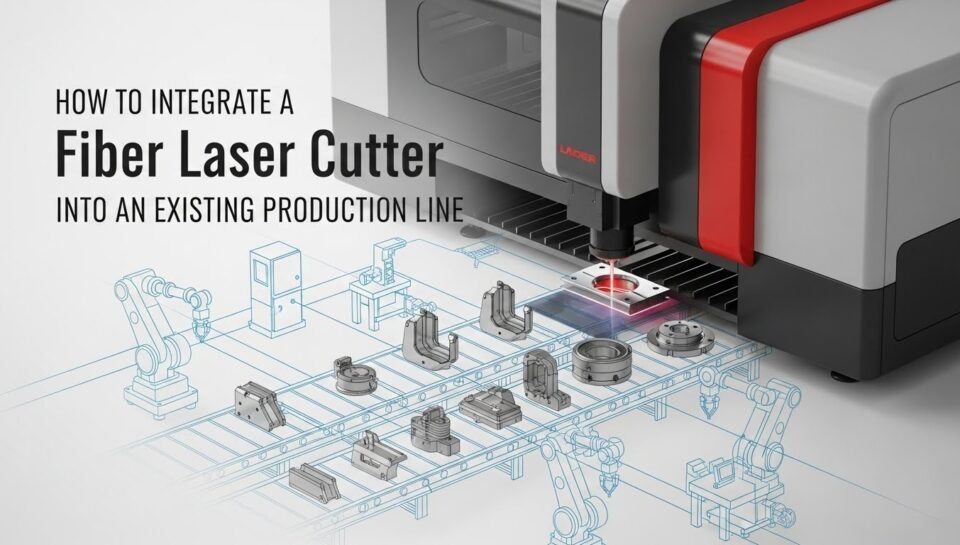
In the rapidly evolving landscape of 2025 manufacturing, staying competitive means more than just upgrading machinery; it requires the intelligent integration of advanced technology into established workflows. For Canadian manufacturers, the fiber laser cutter integration into an existing production line represents a pivotal shift toward higher precision, speed, and energy efficiency.
Whether you are in automotive, aerospace, or custom metal fabrication, this guide will walk you through the essential steps to successfully incorporate this powerful technology, ensuring minimal downtime and maximum return on investment (ROI).
Why Fiber Laser Technology is the Standard for 2025
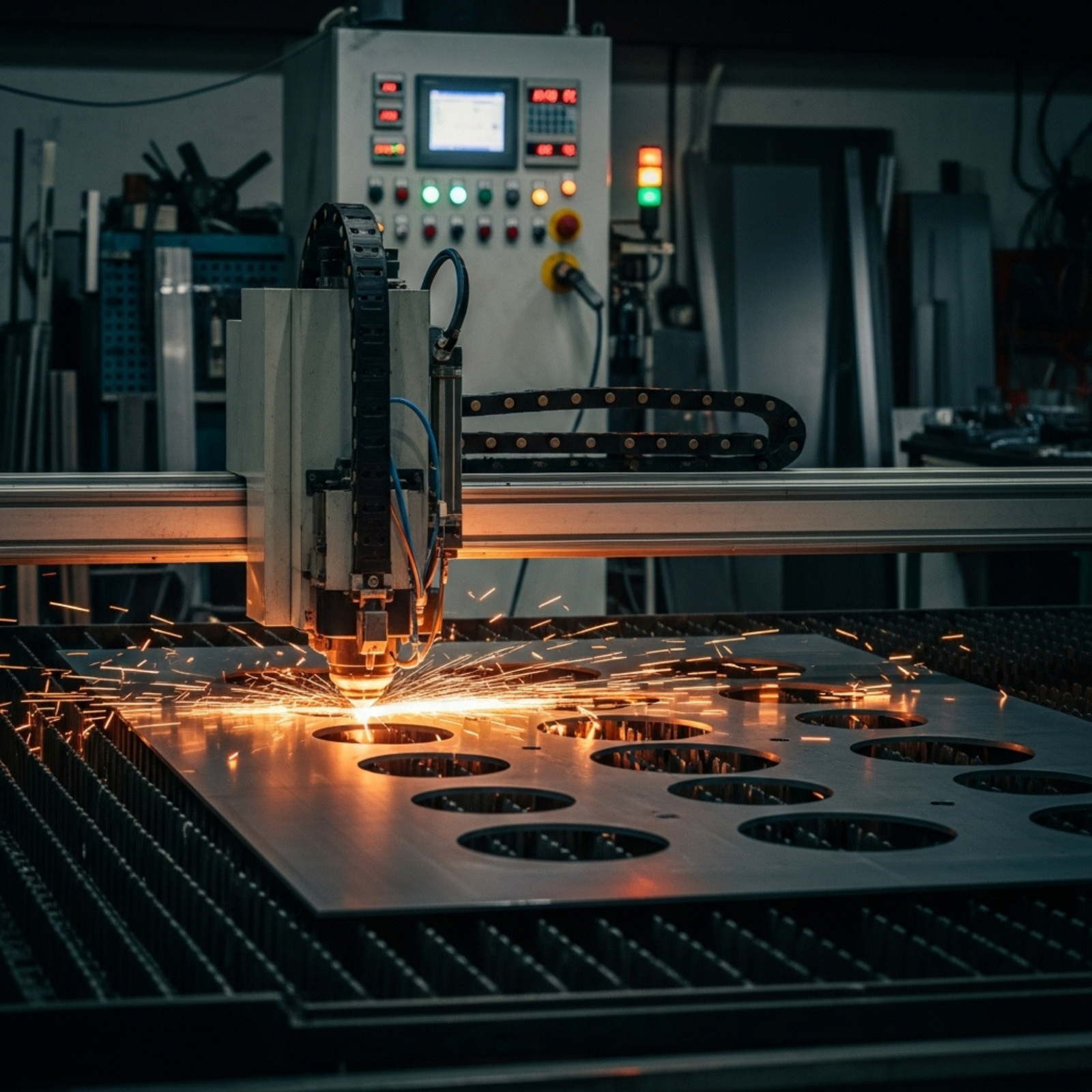
Before diving into the “how-to,” it is crucial to understand the “why.” Traditional CO2 lasers are increasingly being outpaced by fiber laser technology. In 2025, fiber lasers are the gold standard due to their solid-state design, which requires virtually no maintenance and offers wall-plug efficiency rates of over 40%—significantly reducing operational costs.
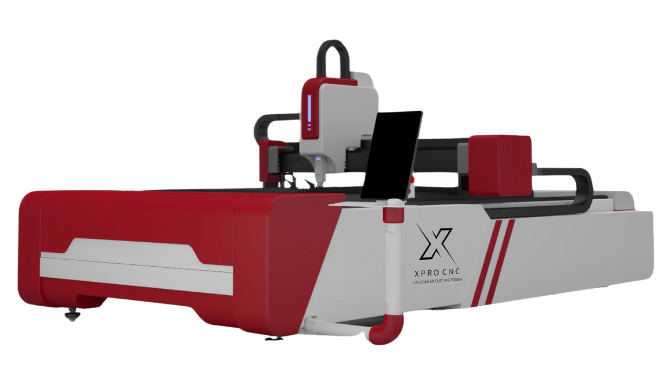
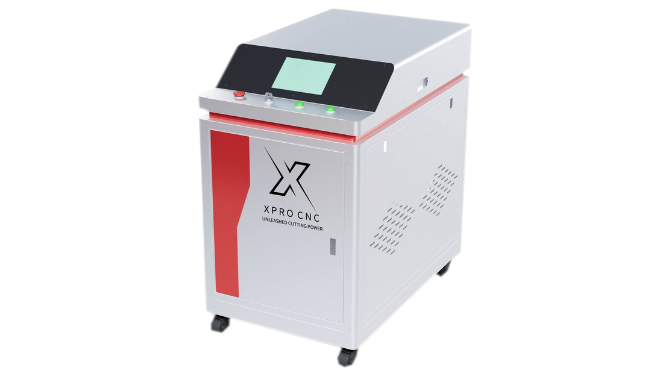
Integrating a high-performance machine, such as those found at xprocnc.com, allows facilities to process reflective metals like aluminum and copper with ease, a task that older technologies struggled with.
Step 1: Structural Assessment and Workflow Planning
The first challenge in fiber laser cutter integration is physical space and workflow flow. A fiber laser is not a standalone island; it is a node in your production stream.
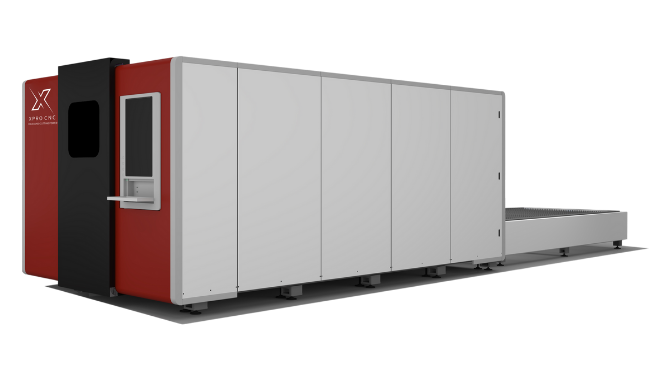
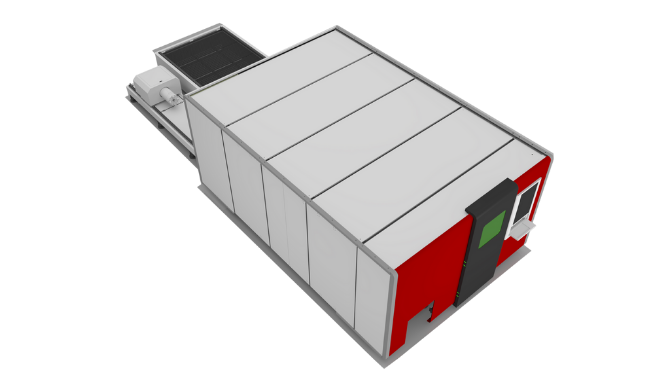
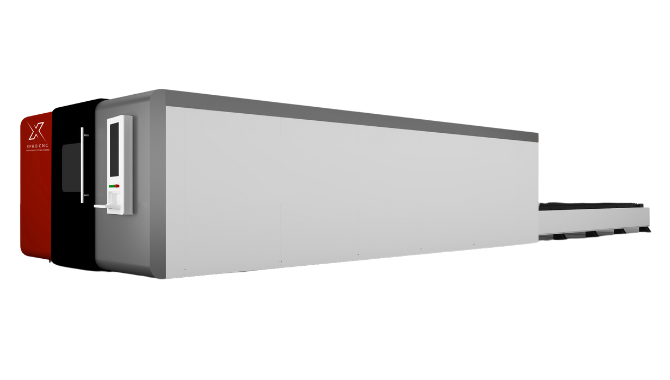
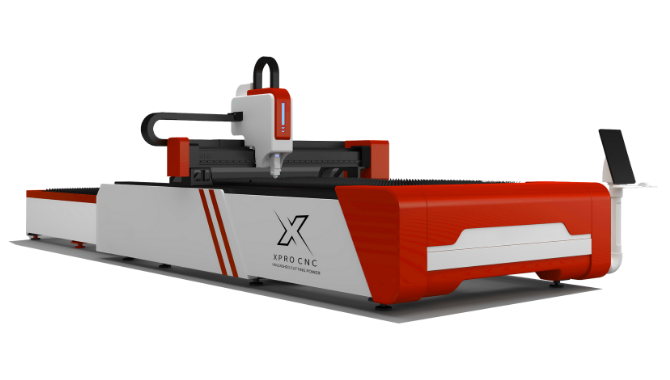
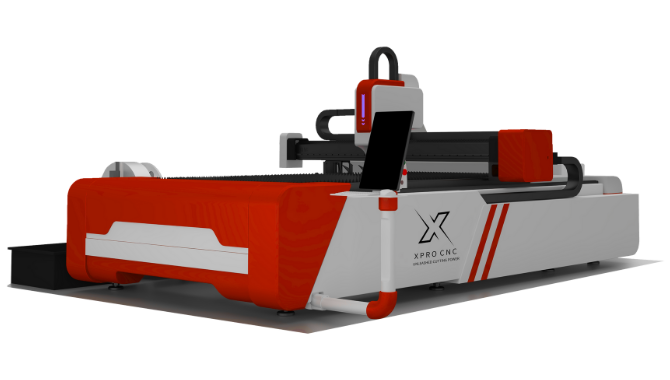
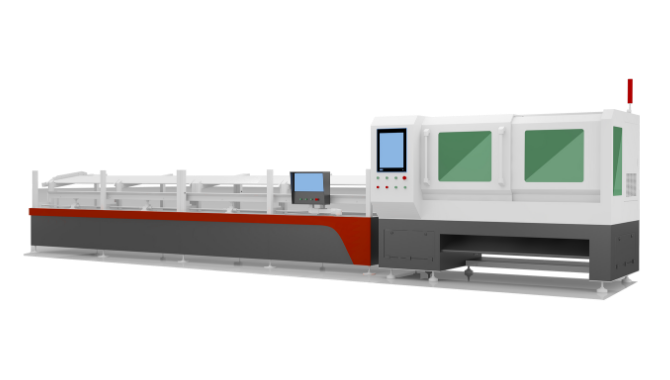
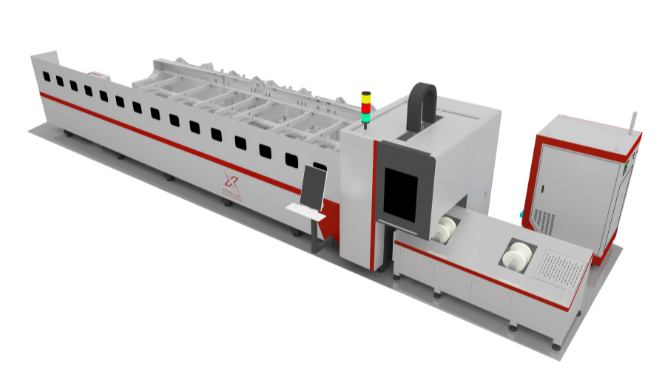
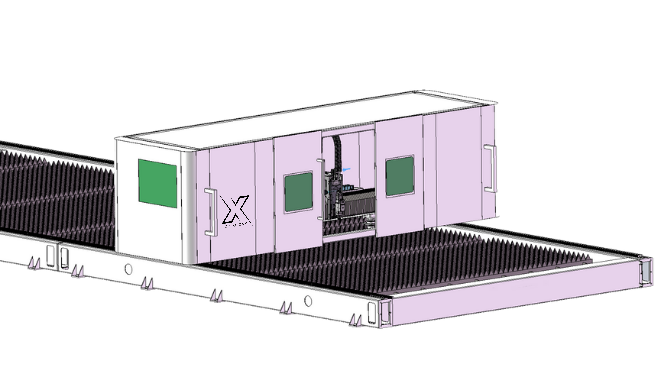
- Footprint Analysis: Modern fiber lasers, like the Xpro CNC Andromeda or Carina series, are designed with varying footprints. Measure your available floor space, accounting for auxiliary equipment like chillers, dust collectors, and gas tanks.
- Material Flow: Analyze how raw materials (sheets or tubes) currently move through your facility. The laser cutter should be positioned to minimize travel time from storage to cutting, and from cutting to bending or welding stations.
- Power and Gas Requirements: Ensure your facility meets the electrical voltage requirements (typically 480V or 600V in industrial Canadian settings) and has the necessary infrastructure for assist gases like Nitrogen or Oxygen.
Step 2: Navigating Canadian Safety Standards (2025 Updates)
Safety is non-negotiable. As of October 2025, updates to Canada’s Radiation Emitting Devices Regulations have tightened the requirements for Class 3B and Class 4 laser products.
To ensure your production line remains compliant:
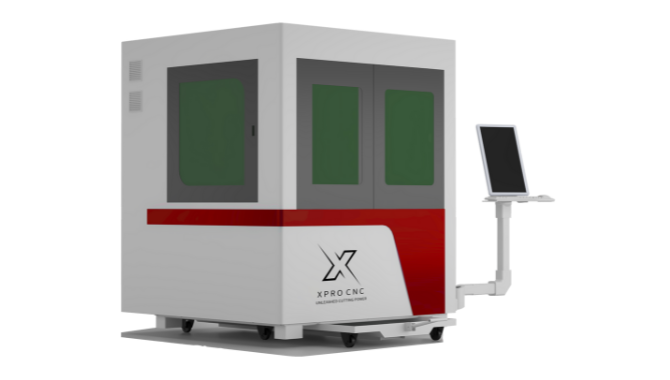
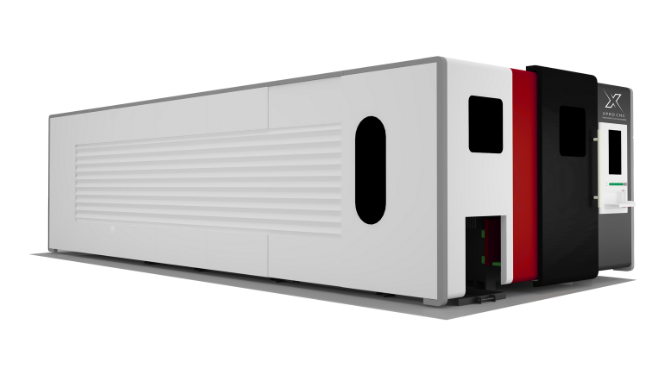
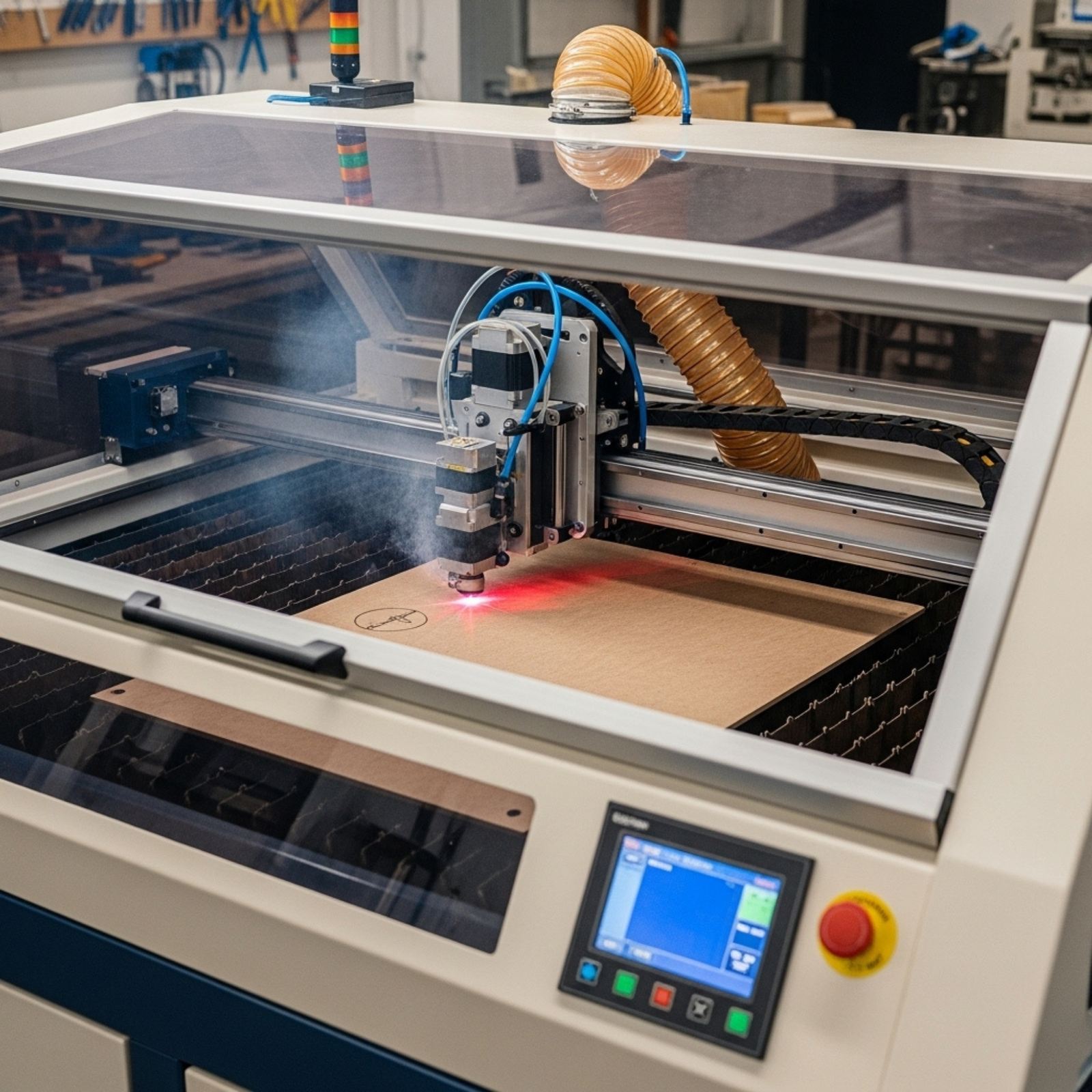
- Enclosures: Ensure your machine utilizes a fully enclosed safety cabin with laser-safe glass. This prevents scattered radiation from injuring nearby workers.
- Filtration: Fiber laser cutting generates fine metal particulates. specialized fume extractors must be integrated into the building’s ventilation system to meet occupational health standards.
- Designated Zones: Mark the area around the machine as a controlled zone. Even with enclosures, having a buffer zone adds a layer of safety for logistics traffic.
For reliable safety guidelines and regulatory updates, always refer to the Government of Canada’s Occupational Health and Safety resources.
Step 3: Software Compatibility and Automation
In 2025, hardware is only as good as the software that drives it. Successful integration requires your new fiber laser cutting machine to “speak” the same language as your existing design and ERP systems.
CAD/CAM Integration
Modern fiber lasers utilize advanced nesting software to minimize material waste. Ensure your engineering team can export files (DXF, DWG, etc.) that are directly compatible with the laser’s CNC controller.
Automating the Feed
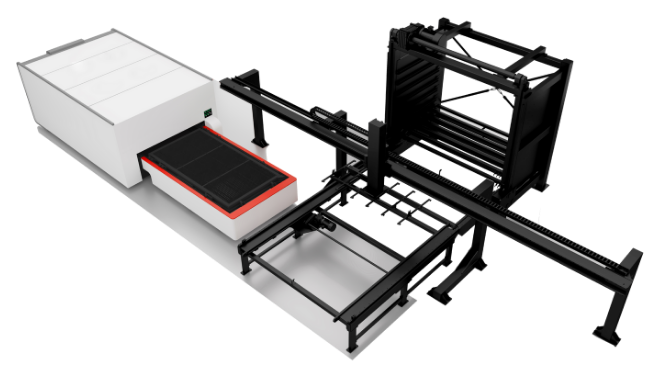
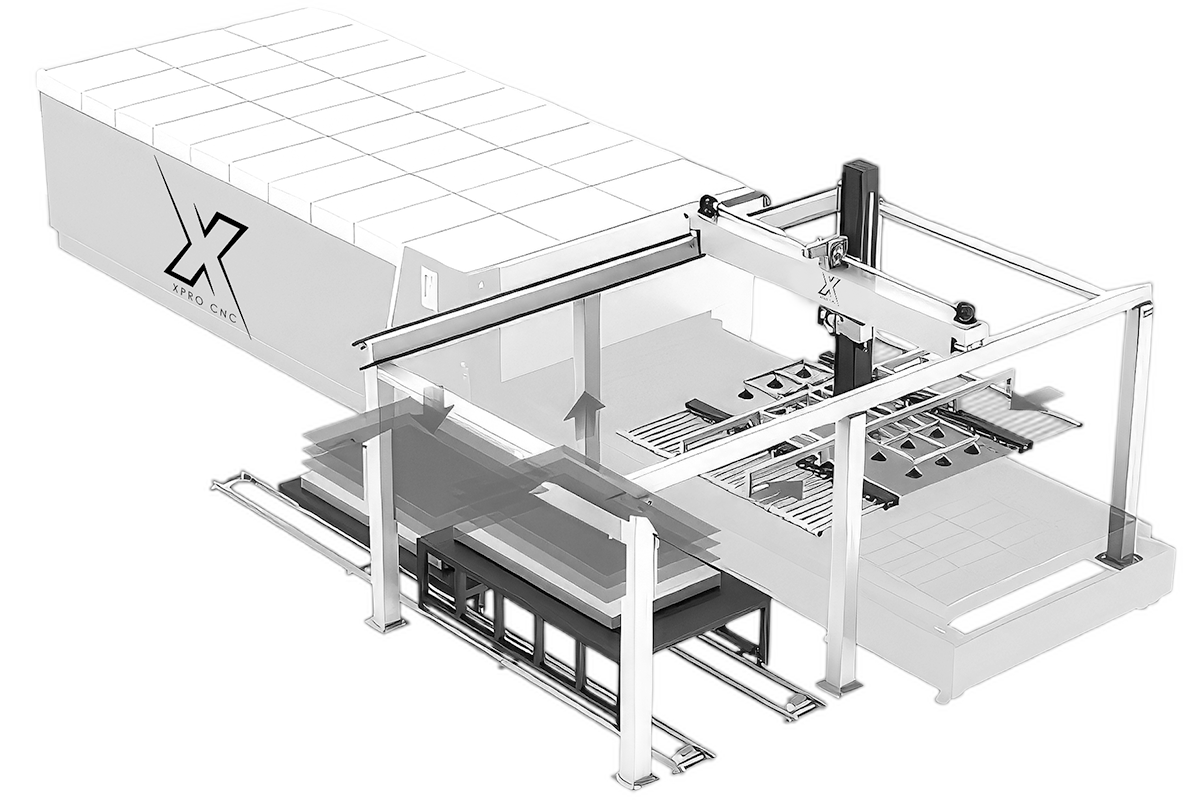
To truly optimize production line efficiency, consider automating the loading and unloading process. Manual loading is often the bottleneck in high-speed laser cutting.
- Pallet Exchangers: Machines equipped with dual pallet changers allow operators to offload finished parts while the next sheet is being cut.
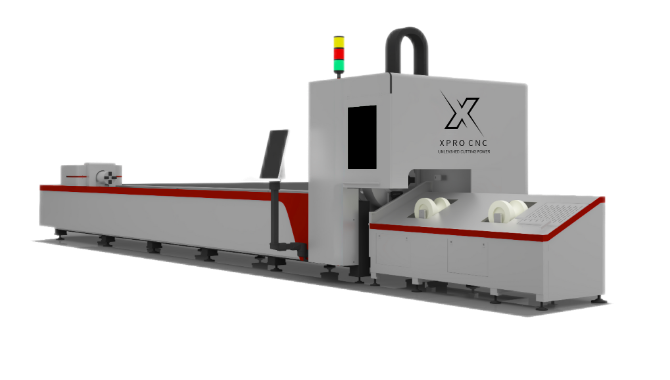
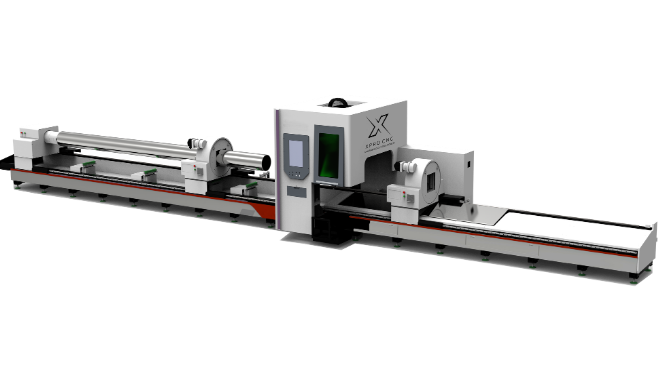
- Conveyor Systems: For tube cutting, automated bundle loaders can feed raw material continuously, allowing for lights-out (unattended) manufacturing.
Step 4: Installation and Calibration
Once the site is prepped and the machine arrives, the physical integration begins. This phase should be handled by certified technicians. Precision leveling is critical; even a millimeter of variance can affect cut quality at high speeds.
During this phase, it is advisable to partner with a supplier that offers local support. For example, xprocnc.com provides Canadian-based support, ensuring that calibration aligns with local voltage and environmental conditions.
Step 5: Workforce Training and Upskilling
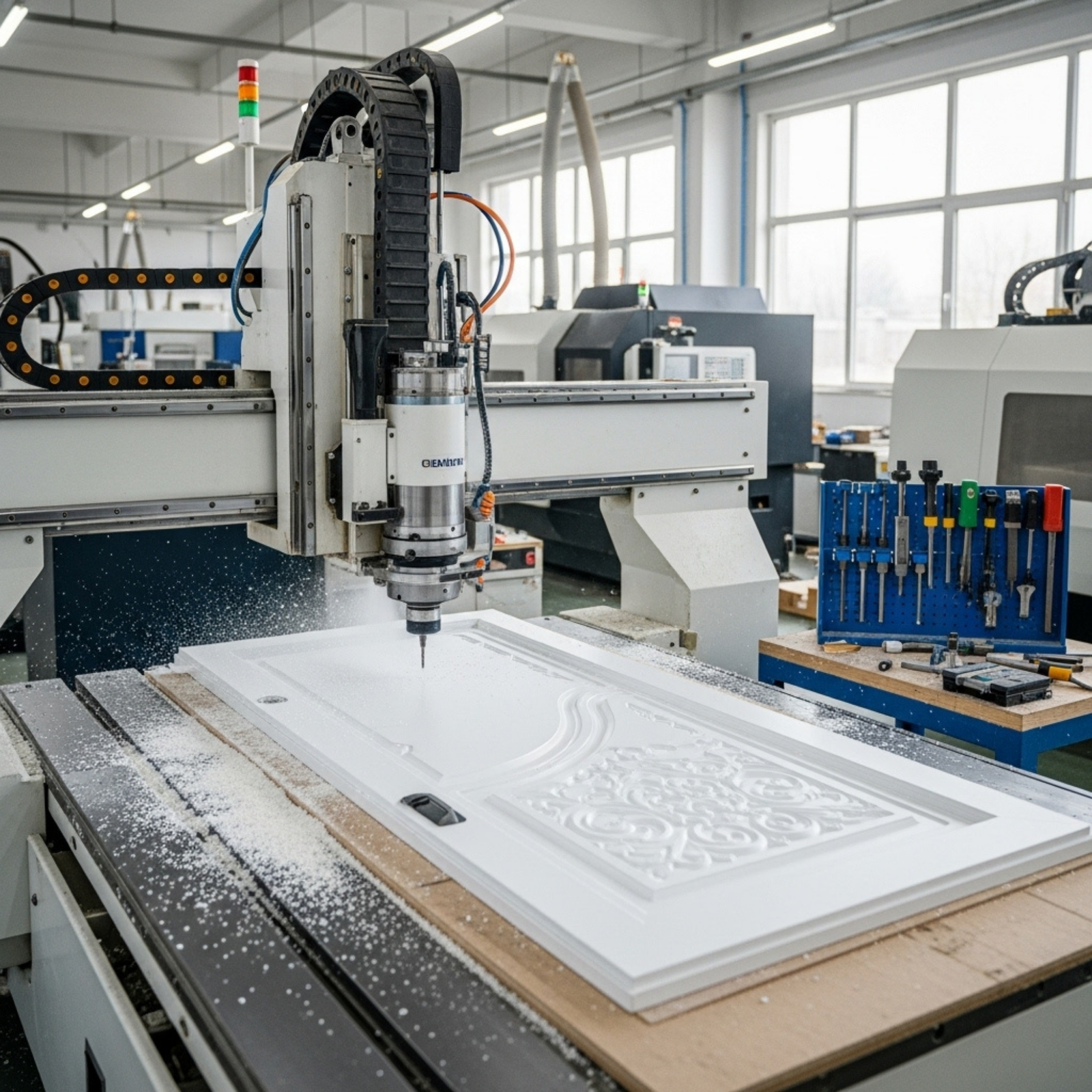
The final piece of the integration puzzle is the human element. Moving from plasma or CO2 cutting to fiber laser technology requires upskilling your workforce.
- Operator Training: Focus on lens maintenance, nozzle selection, and navigating the specific CNC interface.
- Safety Officers: Appoint a Laser Safety Officer (LSO) responsible for maintaining safety logs and ensuring all protective gear (specifically laser safety eyewear) is up to code.
Conclusion
Integrating a fiber laser cutter into your existing production line is a strategic move that pays dividends in speed, quality, and cost savings. By carefully planning the workflow, strictly adhering to 2025 safety standards, and leveraging automation, Canadian manufacturers can secure their place at the forefront of the industry.
If you are ready to explore high-performance options tailored for the Canadian market, visiting xprocnc.com is an excellent first step toward modernizing your fabrication capabilities.
**Important Information:**The information provided in the content of this article is for informational purposes only and should not be applied without expert opinion. Industrial machinery integration involves complex electrical, mechanical, and safety considerations. Always consult with certified engineers and legal safety advisors to ensure compliance with local regulations.