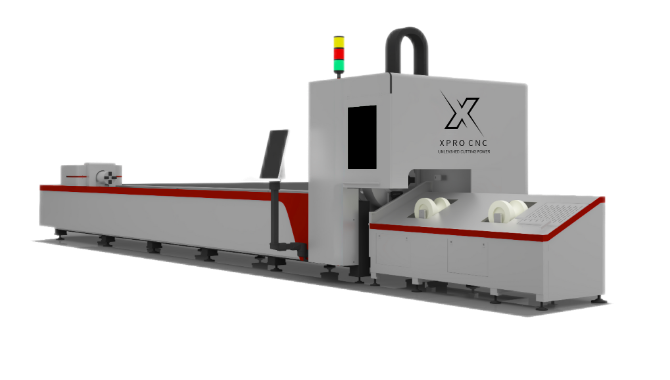
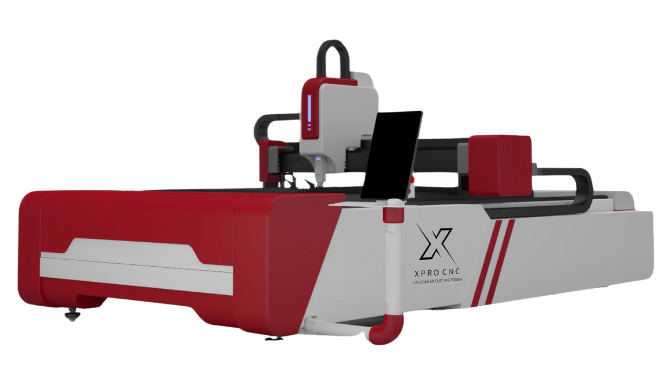
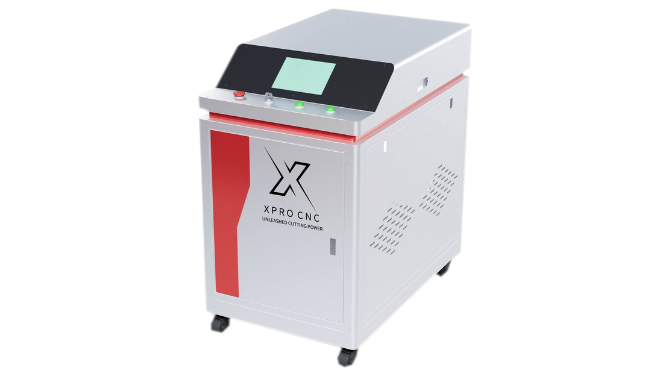

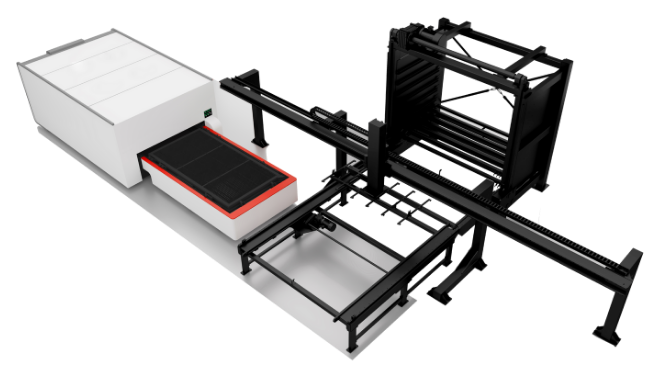

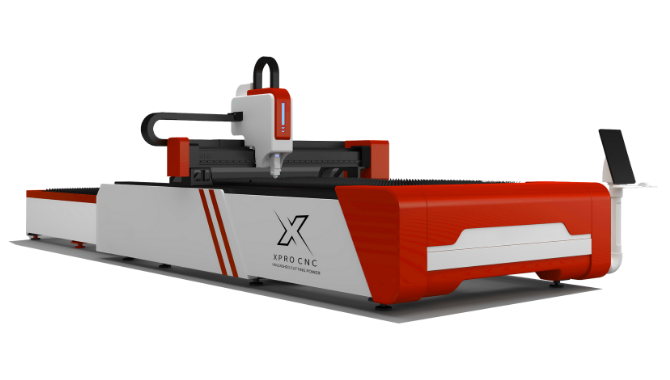
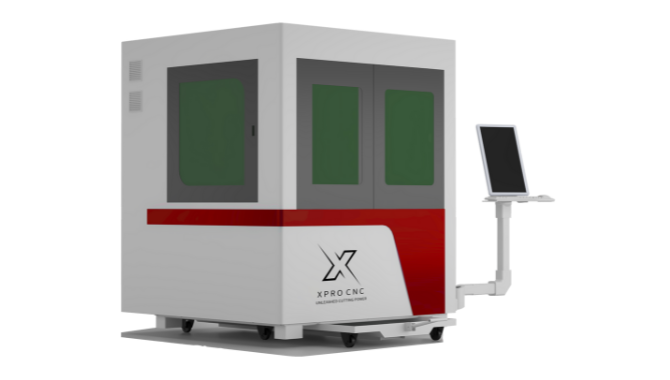
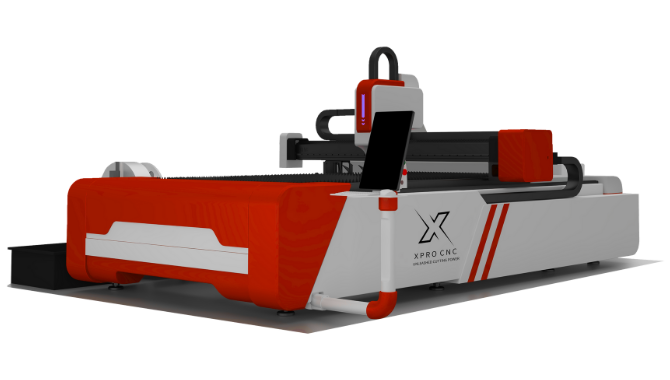
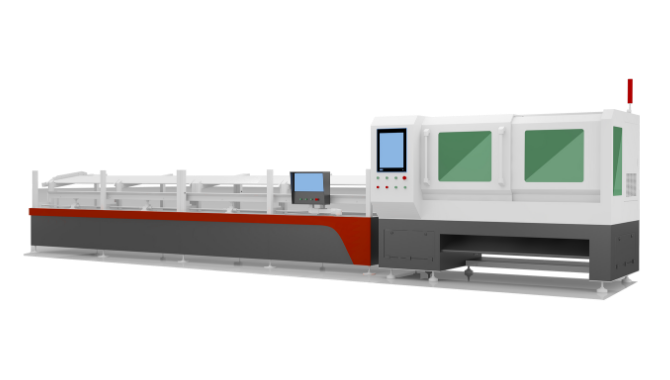
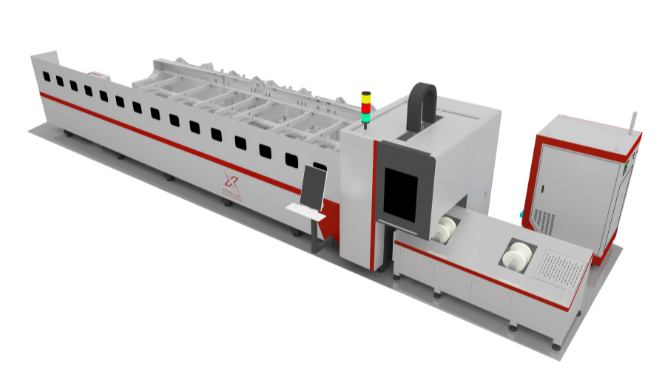
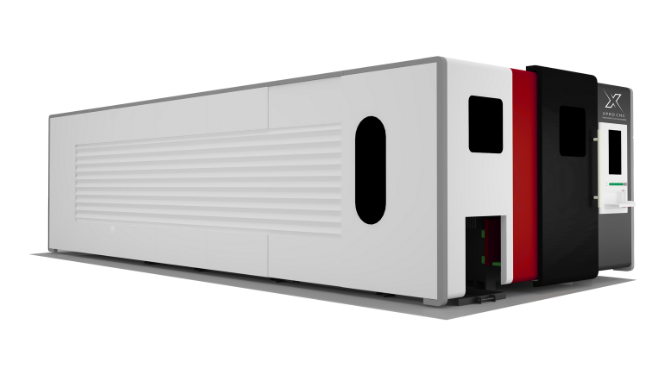
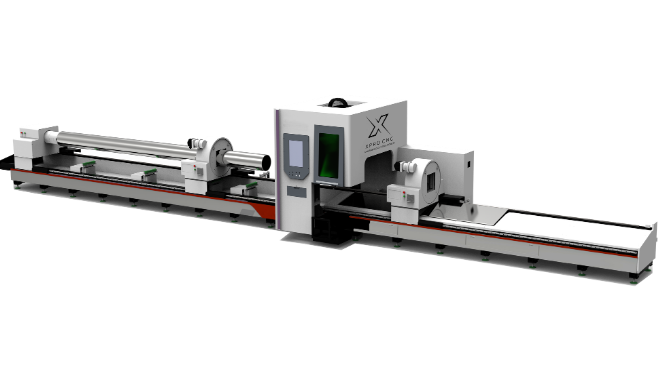
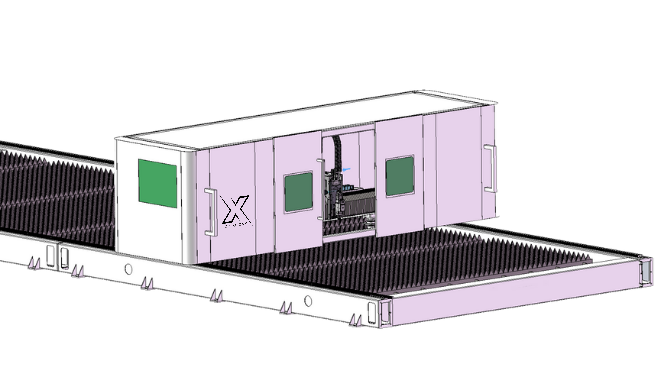
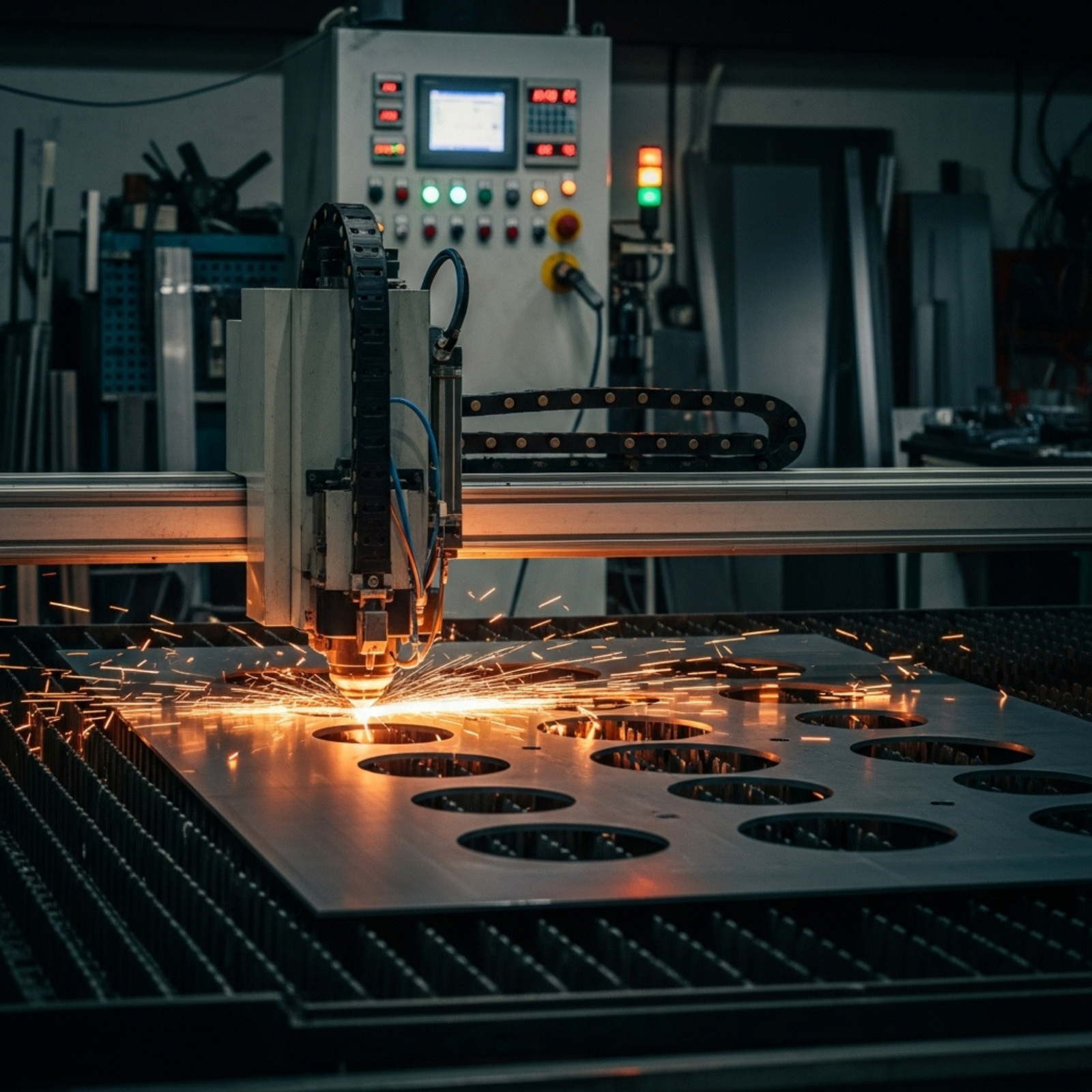
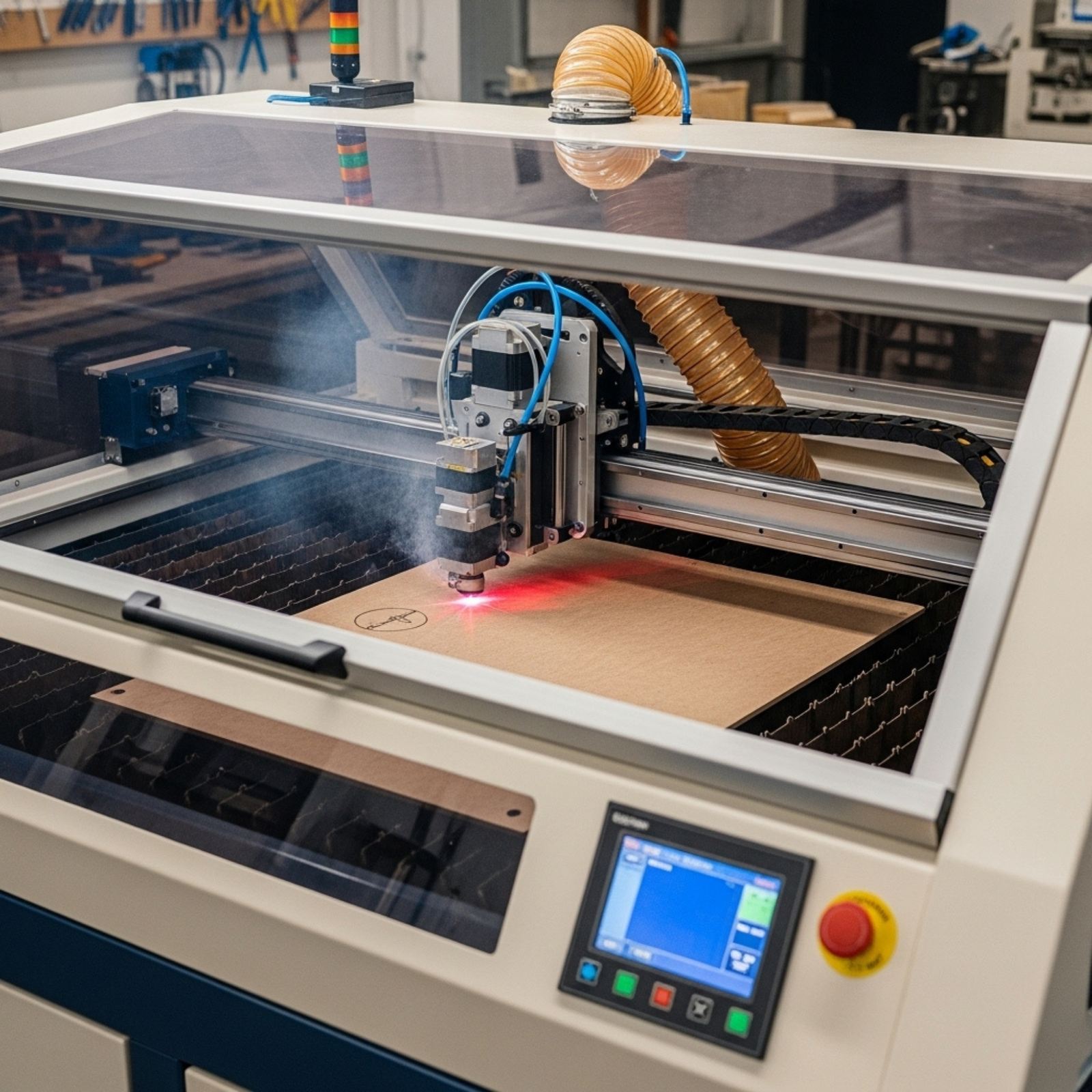
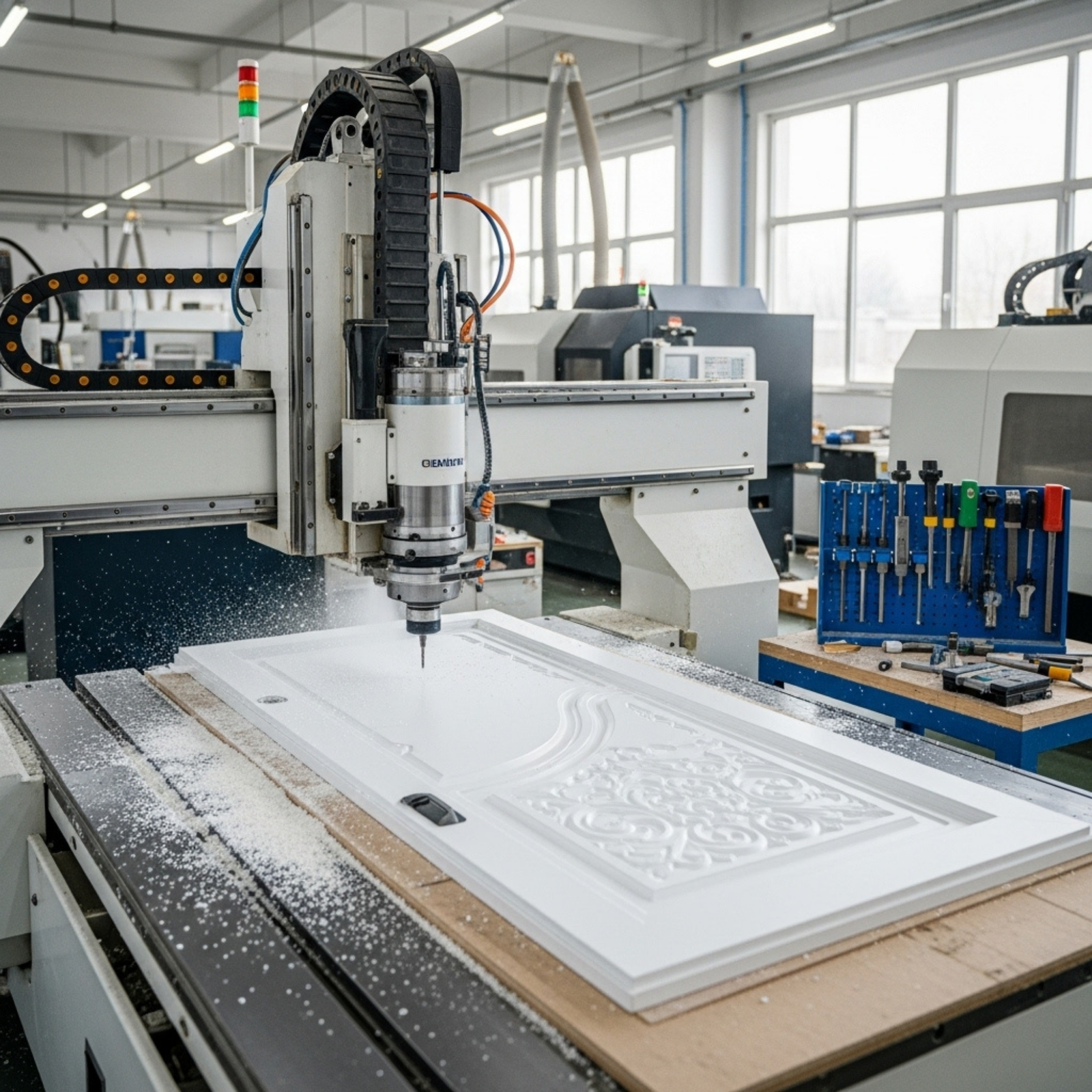
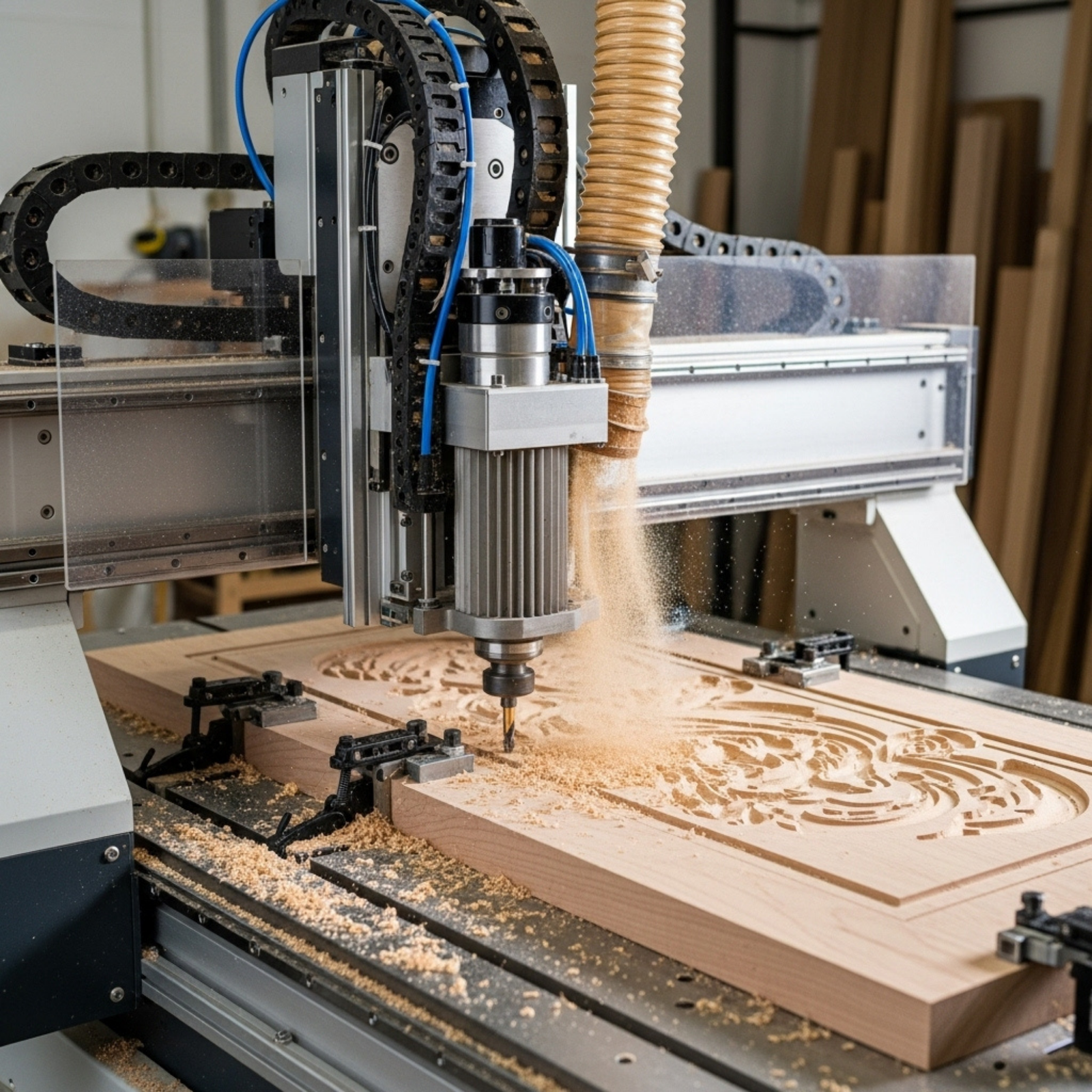
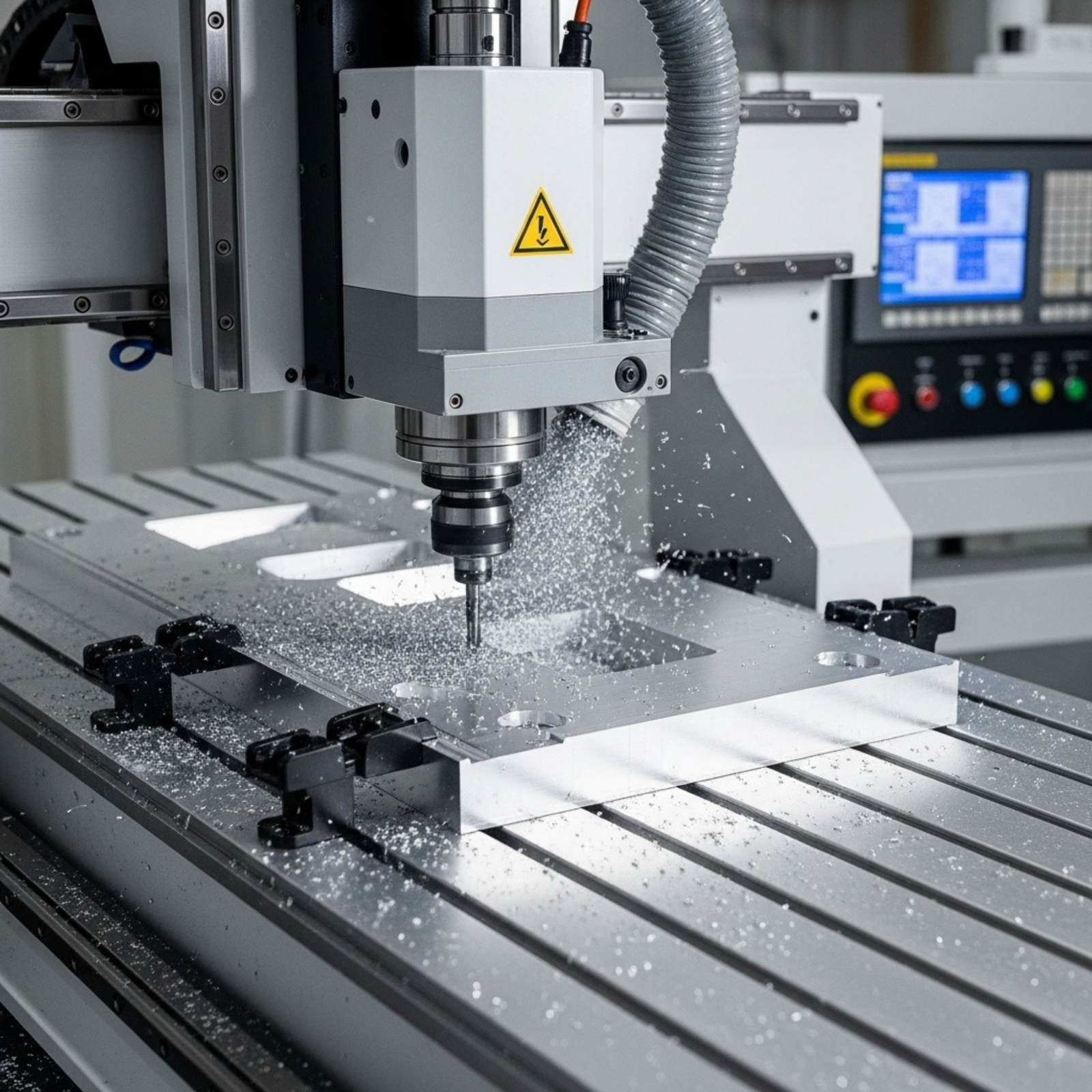
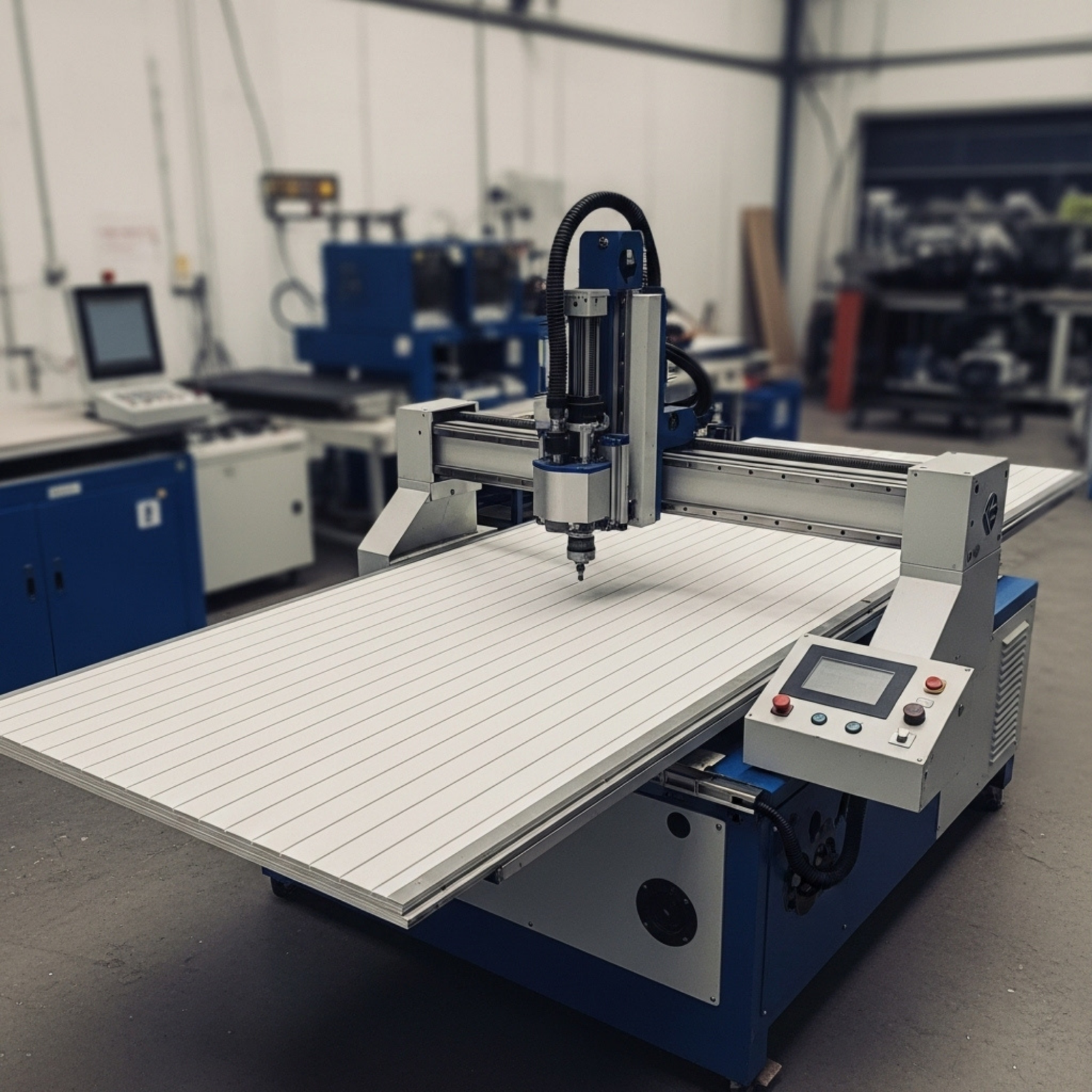
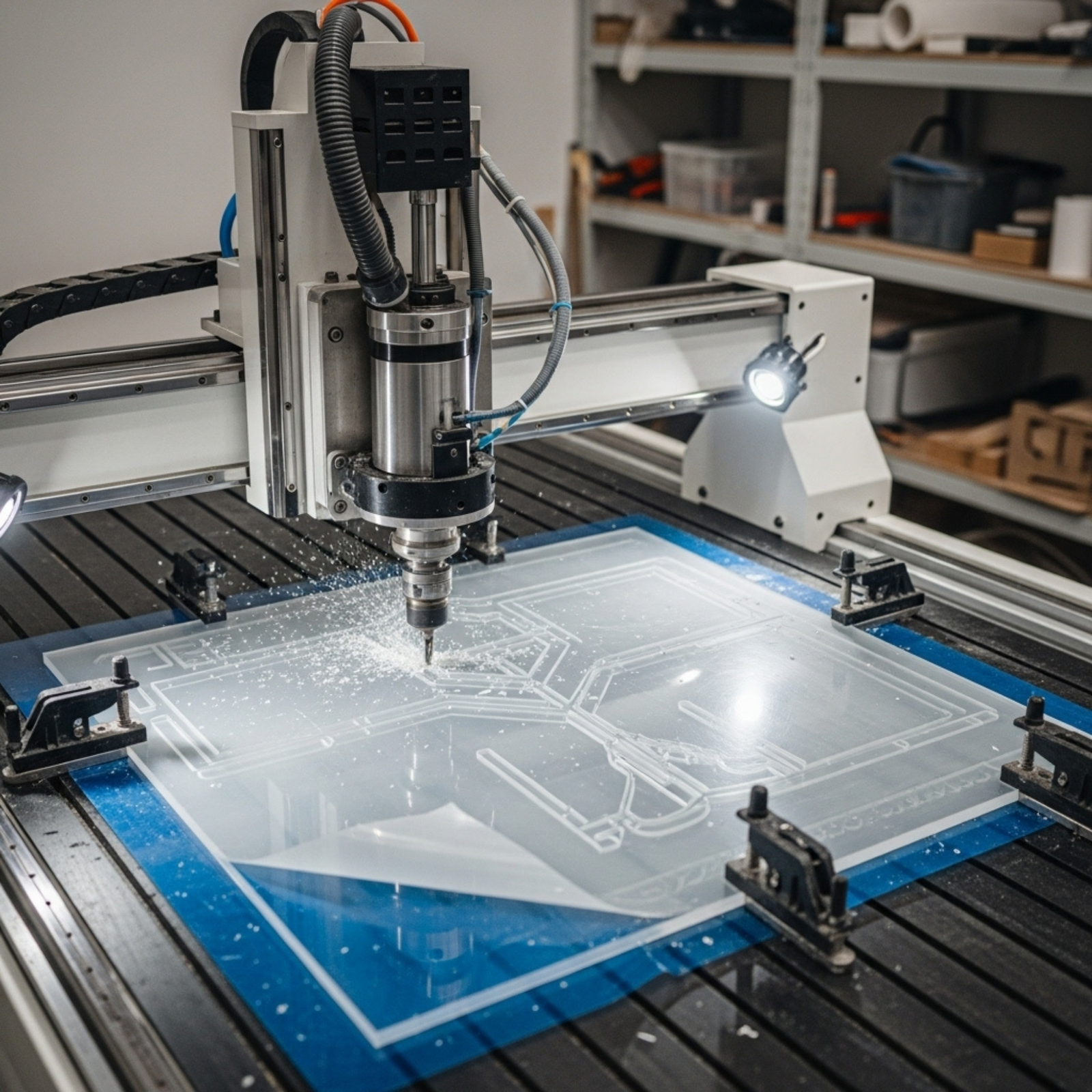

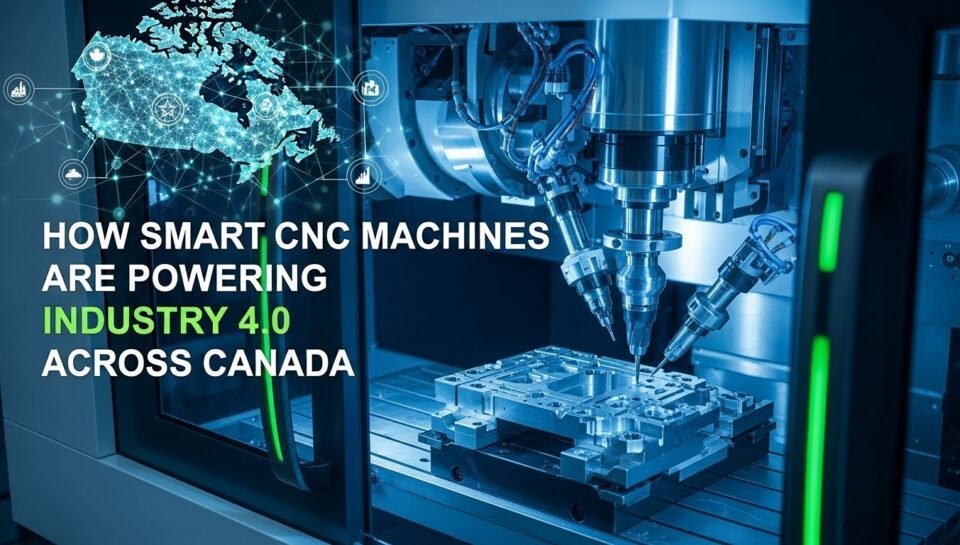
The Canadian manufacturing landscape is undergoing a profound transformation. As we move deeper into 2025, the buzzwords of the past decade—automation, digitization, and connectivity—have matured into tangible operational realities. At the heart of this shift is the evolution of Computer Numerical Control (CNC) technology. No longer just standalone tools for cutting and shaping, smart CNC machines have become the central nervous system of Industry 4.0 across Canada.
From the aerospace hubs of Quebec to the automotive corridors of Ontario, smart CNC technology is enabling manufacturers to overcome labour shortages, reduce waste, and compete on a global scale. This article explores how these advanced machines are reshaping the industry and why they are critical for Canadian businesses aiming to thrive in the digital economy.
The Evolution: From Automated to “Smart” Manufacturing
To understand the impact of this technology, it is essential to distinguish between traditional automation and “smart” manufacturing. Traditional CNC machines follow a programmed set of instructions to produce parts. Smart CNC machines, however, are integrated with the Industrial Internet of Things (IIoT). They don’t just follow orders; they communicate.
In 2025, smart CNC systems are characterized by:
- Real-time Connectivity: Machines transmit data instantly to enterprise systems (ERP) and cloud platforms.
- Predictive Maintenance: Sensors detect wear and tear before a breakdown occurs, preventing costly downtime.
- Adaptive Machining: The machine adjusts parameters (like speed or feed rate) automatically based on sensor feedback regarding temperature or vibration.
For Canadian machine shops, this leap in technology means moving from reactive problem-solving to proactive optimization.
Key Trends Driving Smart CNC Adoption in Canada
According to the 2025 Advanced Manufacturing Outlook Report, resilience and innovation are the defining traits of the sector this year. Several key trends are accelerating the adoption of smart CNC solutions:
1. Combating the Labour Shortage
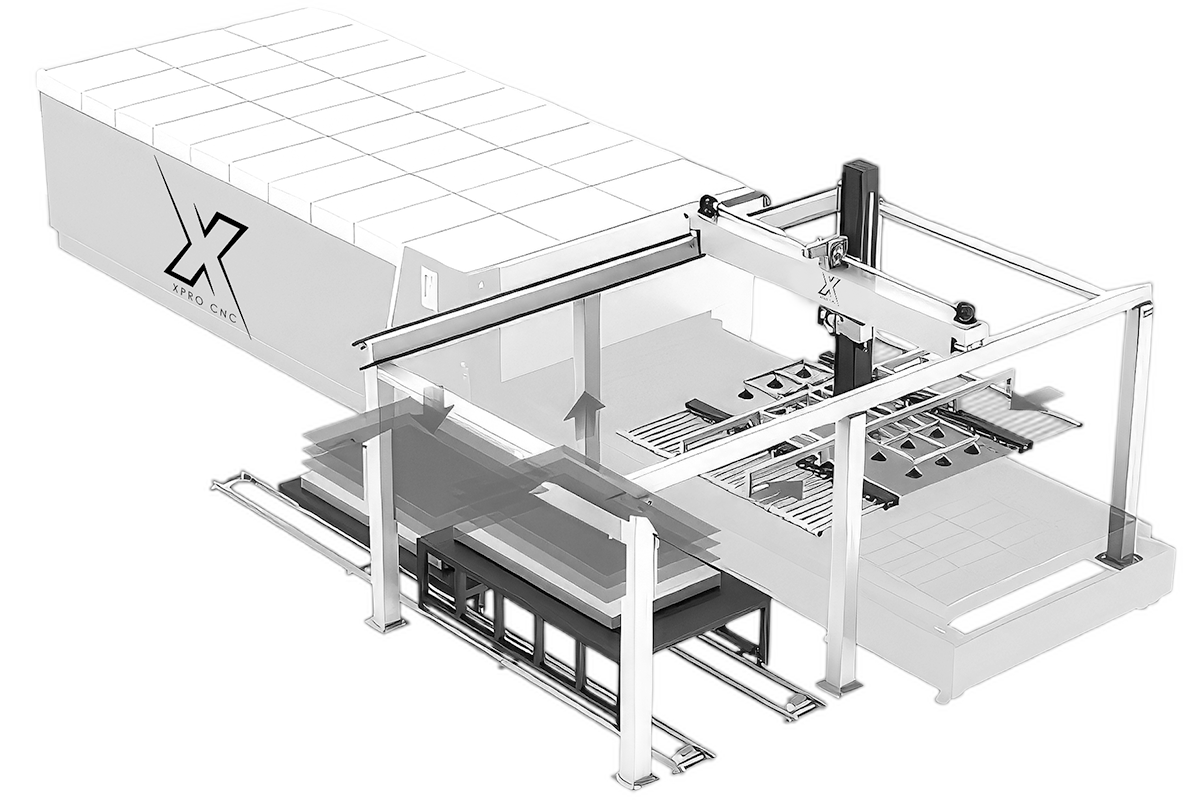
Canada faces a projected gap of 60,000 manufacturing jobs over the next decade. Smart CNC machines help bridge this gap not by replacing workers, but by augmenting their capabilities. Automated loading systems and robotic arms allow a single skilled machinist to oversee multiple machines simultaneously. This “force multiplier” effect is crucial for keeping production lines running despite a shrinking workforce.
2. The Rise of “High-Mix, Low-Volume” Production
Canadian manufacturers are increasingly focusing on niche, high-value products rather than mass commodity production. Smart CNC machines excel here. With faster changeover times and digital “twins” (virtual replicas of the machining process), shops can switch between producing complex aerospace components and custom medical devices with minimal downtime.
3. Government Support and Digital Ambition
The Government of Canada’s Digital Ambition 2025 and initiatives like the Canada Digital Adoption Program (CDAP) have provided critical funding for SMEs to upgrade their technology stacks. These programs encourage the integration of AI and data analytics into daily operations, making high-end CNC technology more accessible to smaller shops.
The Role of Data in Modern Machining
Data is the new raw material of manufacturing. Smart CNC machines generate massive amounts of actionable data.
- OEE (Overall Equipment Effectiveness) Tracking: Managers can see exactly when a machine is cutting chips and when it is idle, allowing for precise workflow optimization.
- Quality Control: In-process probing verifies part dimensions while the part is still in the machine. If a deviation is detected, the machine can correct it immediately, drastically reducing scrap rates.
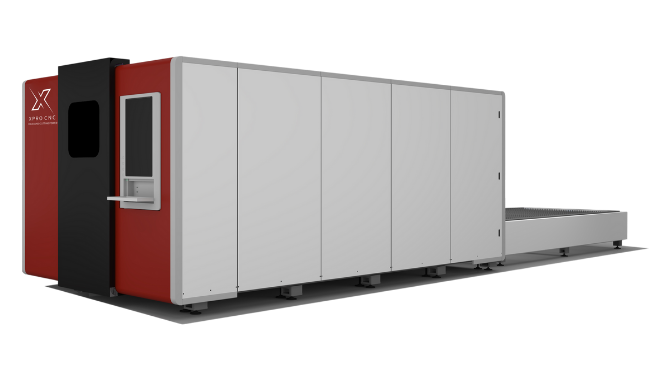
For companies looking to modernize their fleet, sourcing the right equipment is the first step. Suppliers like xprocnc.com are pivotal in connecting manufacturers with the high-performance components and systems needed to build these interconnected smart factories.
Sector-Specific Impacts
Aerospace
In Quebec and Ontario, precision is non-negotiable. Smart CNCs are used to machine exotic alloys like titanium and Inconel with micron-level accuracy. The data traceability provided by smart machines is essential for meeting the rigorous safety standards of the aerospace industry.
Energy and Clean Tech
As Canada transitions to a green economy, the demand for components for wind turbines, hydroelectric dams, and electric vehicles (EVs) is surging. Smart CNC machining ensures the efficiency and scalability required to meet these ambitious energy goals.
Navigating the Future
Adopting smart CNC technology is not without challenges. Cybersecurity remains a top priority; as machines come online, they become potential entry points for cyber threats. Canadian manufacturers must implement robust cybersecurity measures alongside their physical hardware upgrades.
Furthermore, the “skills gap” is shifting. The industry now needs operators who are part machinist, part data analyst. Training programs and partnerships with polytechnics are evolving to produce this new generation of “digital machinists.”
Conclusion
In 2025, smart CNC machines are no longer a luxury for the few; they are a necessity for survival and growth. They are the engines powering Industry 4.0 in Canada, driving efficiency, quality, and innovation. For Canadian manufacturers, the message is clear: the future is connected, intelligent, and precise.
**Disclaimer:**The information provided in the content of this article is for informational purposes only and should not be applied without expert opinion. Manufacturing standards, government programs, and technological specifications are subject to change. Always consult with a qualified engineer or industry consultant before making significant capital investments.