
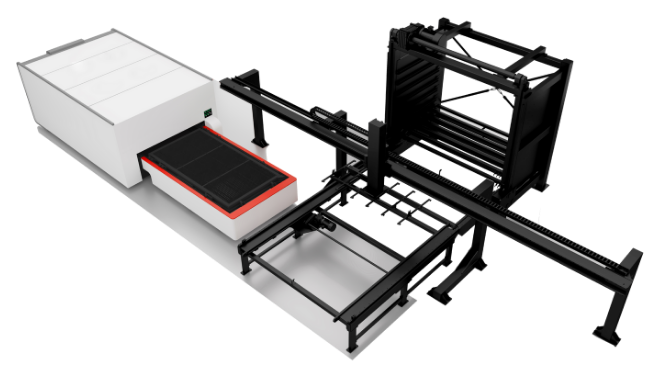

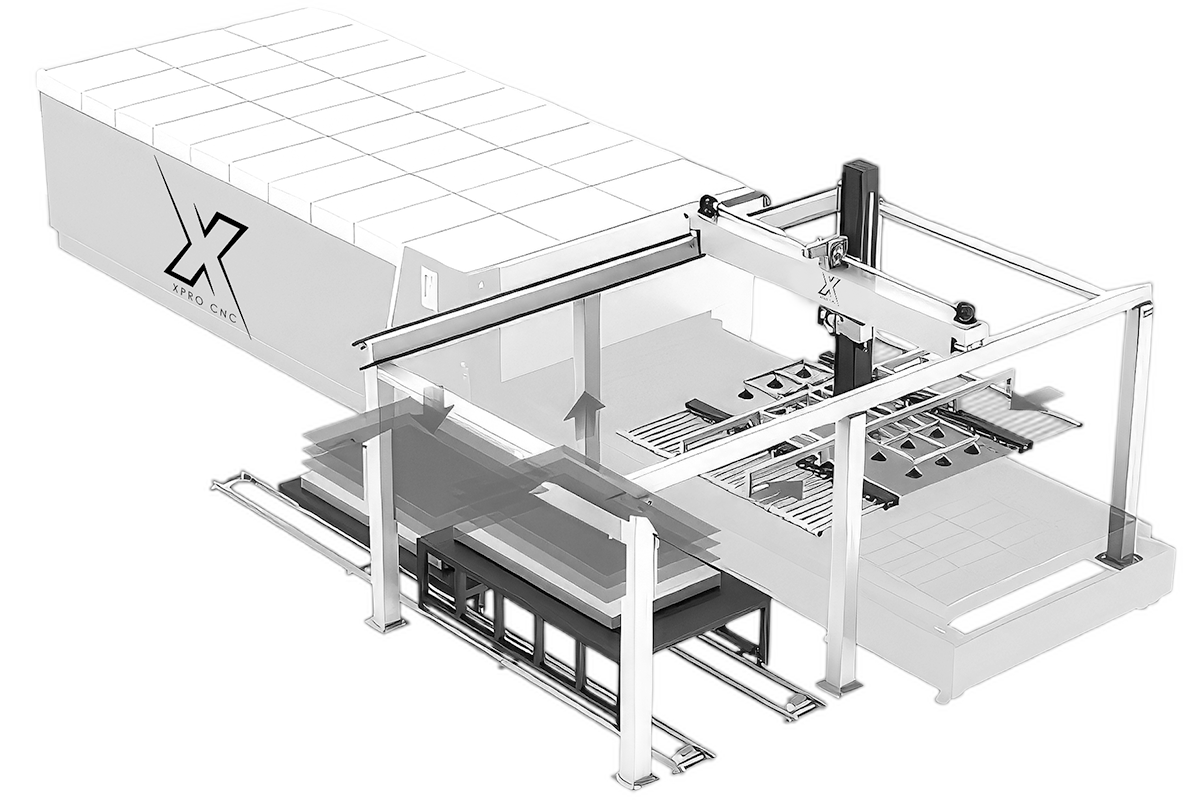
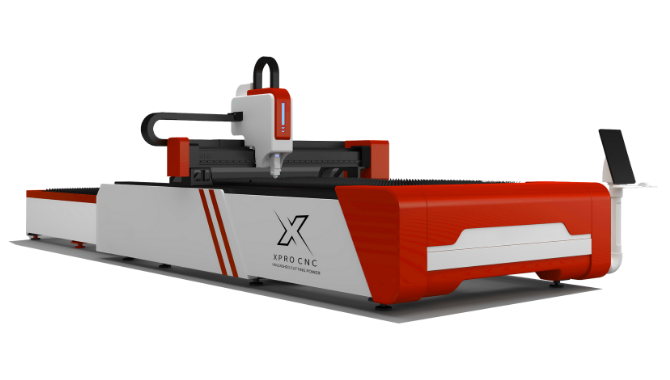
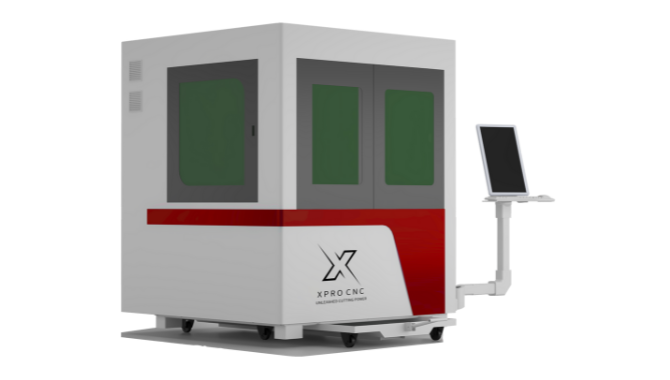
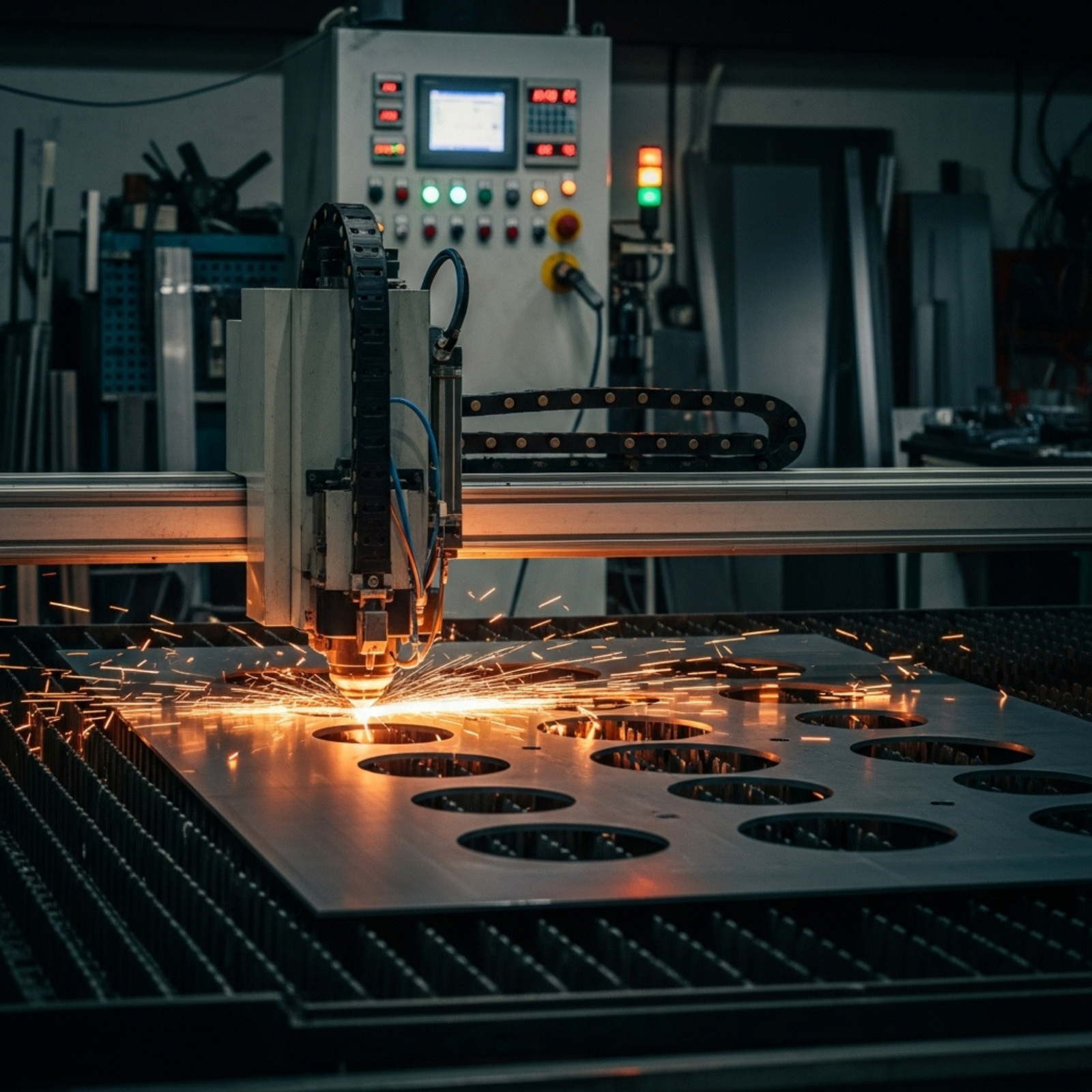
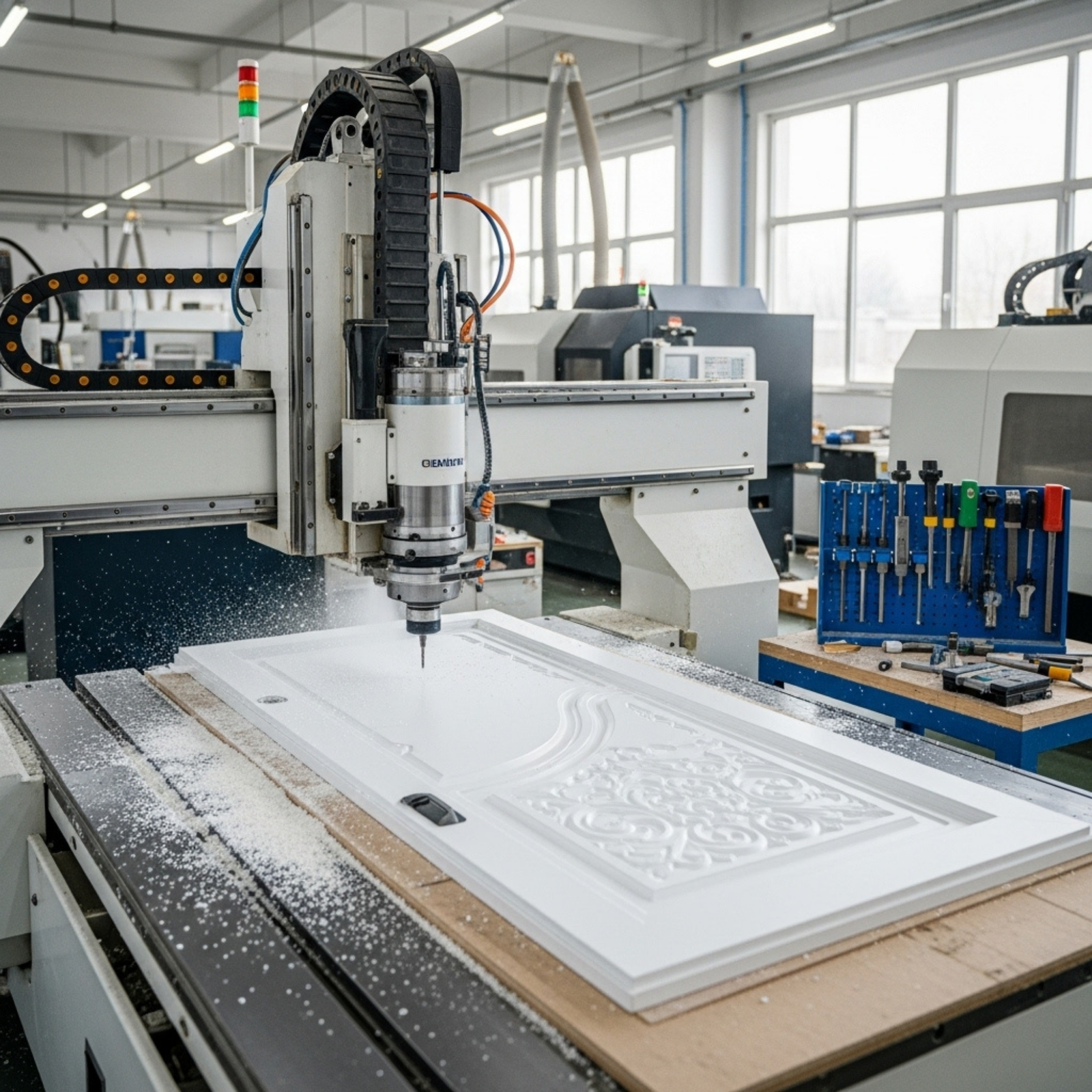
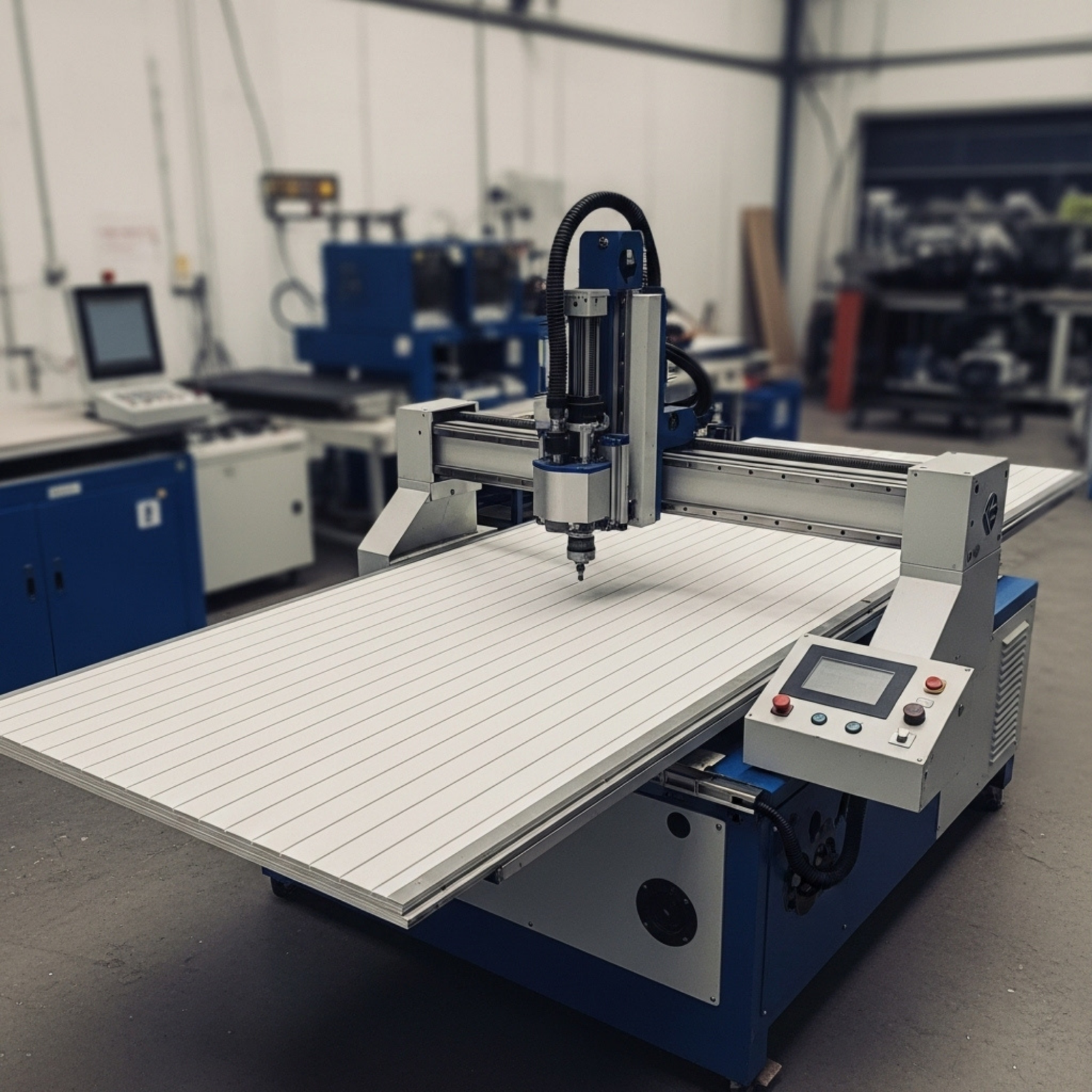
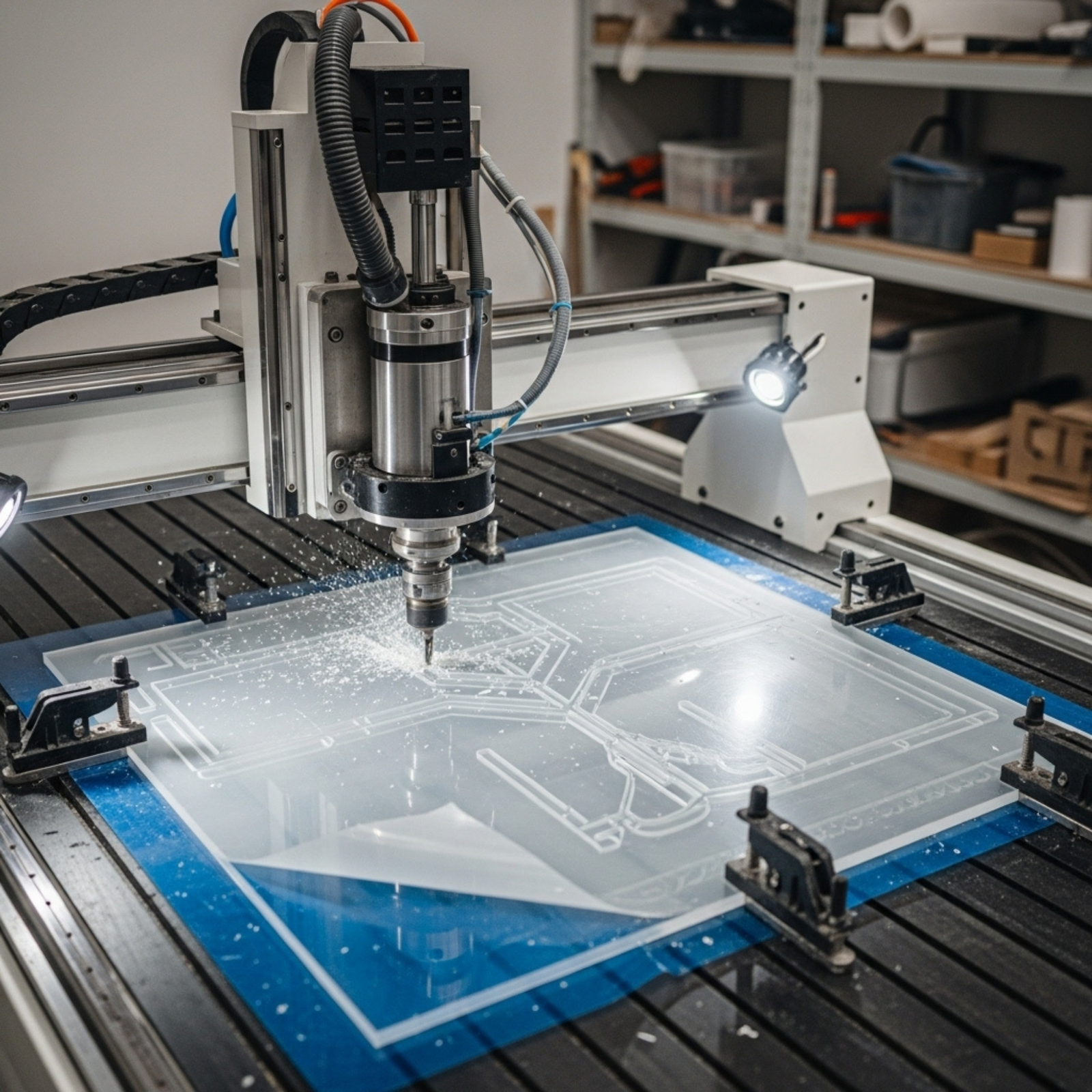

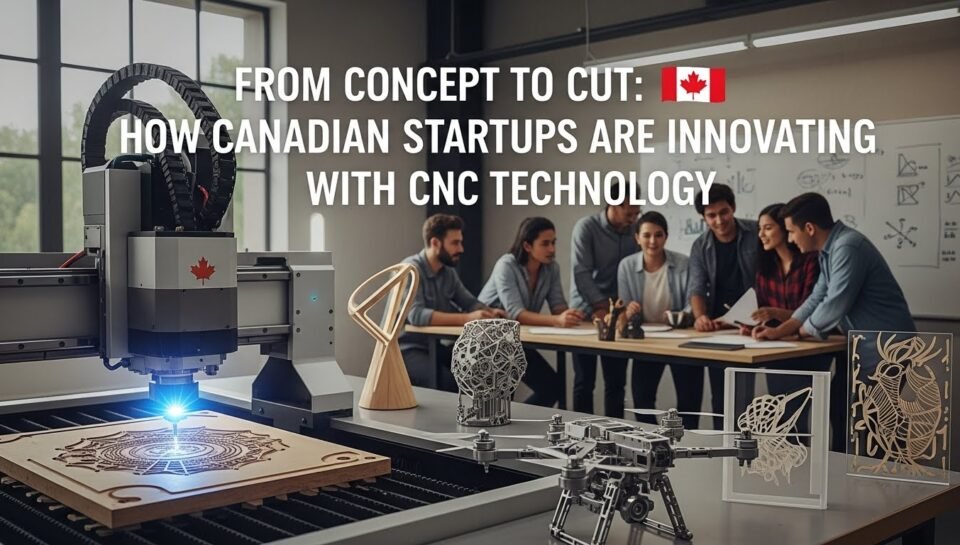
The Canadian manufacturing landscape has undergone a quiet but powerful revolution. By 2025, the image of the “dusty workshop” has been replaced by the “smart factory”—a hub of digital integration, robotics, and precision engineering. At the heart of this transformation is Computer Numerical Control (CNC) technology. Once a staple of traditional machining, CNC has evolved into a dynamic catalyst for startups across the country.
From Montreal’s tech corridors to the industrial hubs of Ontario and the energetic West, Canadian entrepreneurs are not just using CNC machines; they are reimagining what these machines can do. This shift is driving a new era of “Concept to Cut,” where ideas are transformed into physical reality faster and more sustainably than ever before.
The Rise of the “Smart” Machine Shop
In 2025, the barrier to entry for hardware innovation has lowered significantly. In the past, prototyping a new aerospace component or a custom robotic arm required massive capital. Today, accessible high-precision tools have democratized manufacturing.
Startups are leveraging CNC innovation Canada to bypass offshore supply chains. By bringing production in-house, companies can iterate designs in hours rather than weeks. This agility is crucial in a global market where speed-to-market is the ultimate competitive advantage.
Leading the Charge: Canadian Success Stories
To understand the impact of this technology, we must look at the companies on the front lines.
1. Vention (Montreal, QC): Democratizing Industrial Automation Vention has become a global standard-bearer for the “Manufacturing Automation Platform” (MAP). Their cloud-based software allows engineers to design, automate, and order custom equipment in days. While their platform relies heavily on software, the physical reality of their modular hardware relies on precision manufacturing. Their success demonstrates how digital design and CNC-quality precision can merge to empower other factories to automate faster.
2. Attabotics (Calgary, AB): Robotics and Precision Based in Calgary, Attabotics has reinvented the supply chain with its 3D robotic storage system. These systems, inspired by ant colonies, require components manufactured with extreme tolerances to function correctly in three-dimensional space. The reliance on advanced machining proves that even software-driven logistics companies depend fundamentally on the precision of physical parts.
3. Mosaic Manufacturing (Toronto, ON): The Hybrid Approach While 3D printing often grabs headlines, the real innovation in 2025 lies in hybrid manufacturing—combining the additive power of 3D printing with the subtractive precision of CNC milling. Mosaic Manufacturing has been a pioneer in scaling additive processes, but the industry trend is moving toward machines that can print a rough shape and then CNC-mill it to a perfect finish. This hybrid approach reduces material waste while maintaining the structural integrity of metal parts.
Key Trends Driving the Industry in 2025
Artificial Intelligence (AI) Integration Modern CNC machines are no longer deaf and blind. They are equipped with sensors and AI that monitor tool wear and adjust cutting speeds in real-time. This “lights-out manufacturing”—where robots run unassisted overnight—is becoming standard for Canadian startups looking to maximize efficiency during labour shortages.
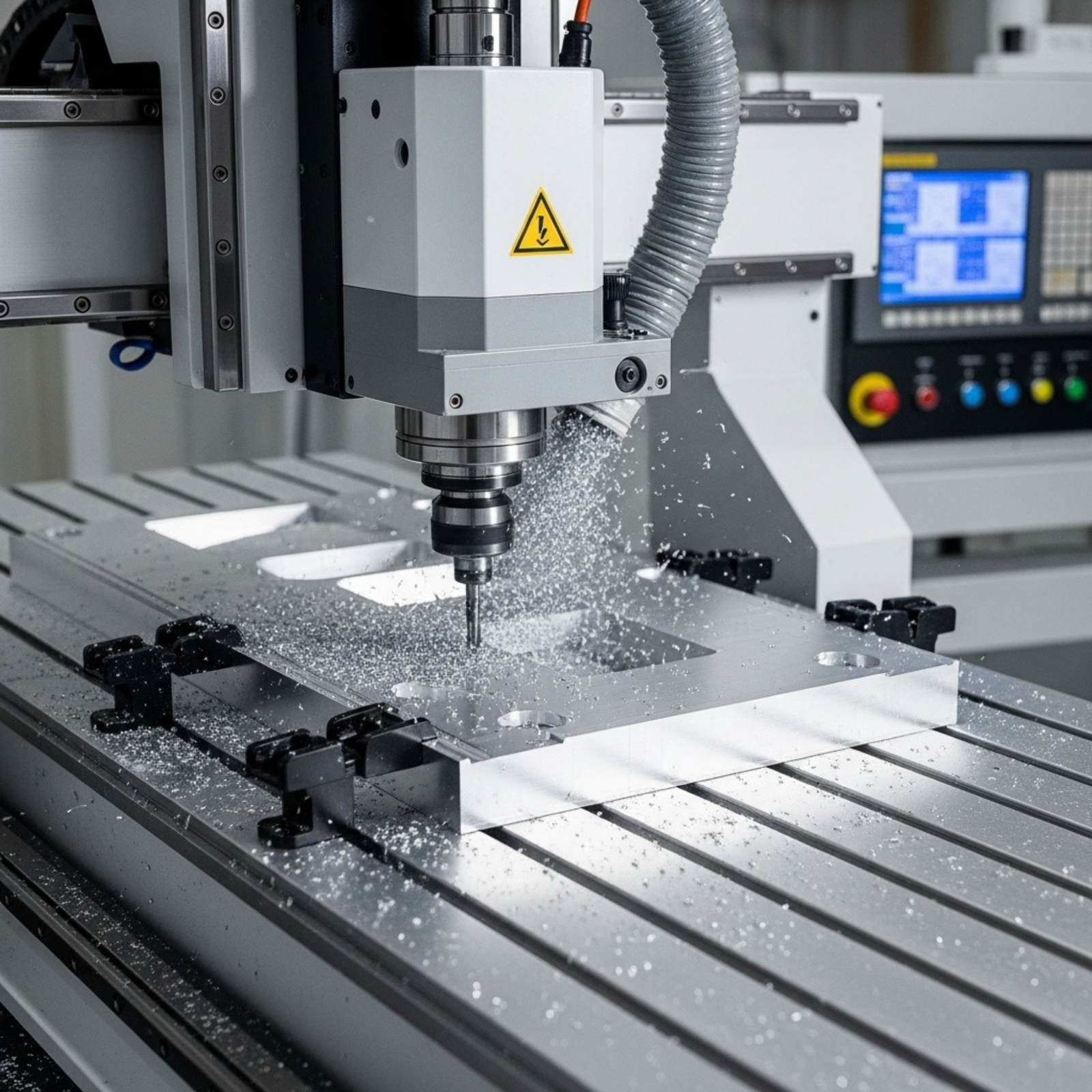
Sustainability and Green Tech Canada is a global leader in clean technology. Companies like Svante (carbon capture) and CarbonCure (sustainable concrete) require specialized industrial machinery to deploy their solutions. The prototypes for these massive climate-saving machines are born in CNC shops, where custom parts are milled from aluminum and steel with zero margin for error.
Accessibility: The Engine of Innovation
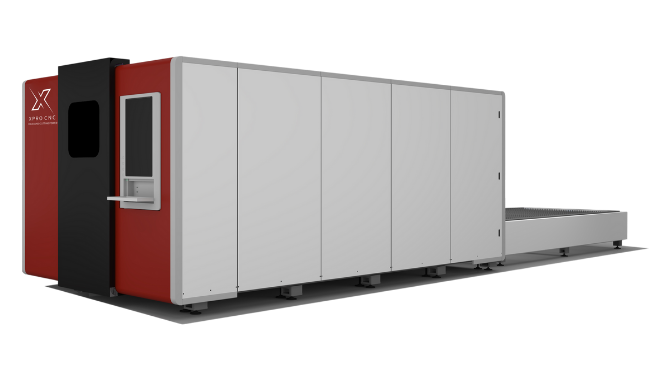
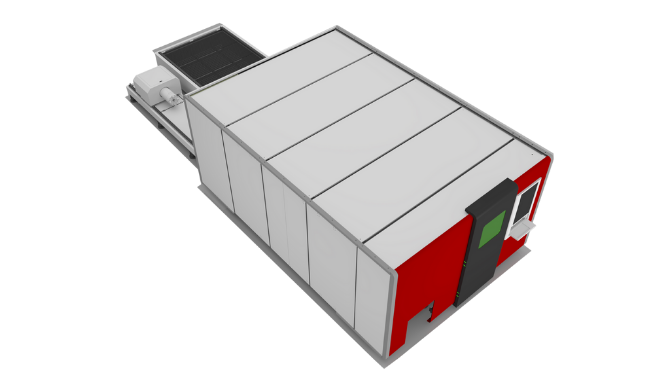
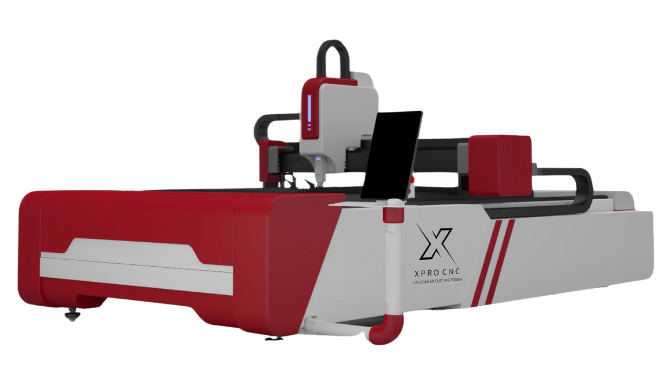
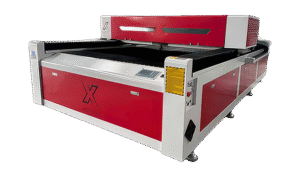
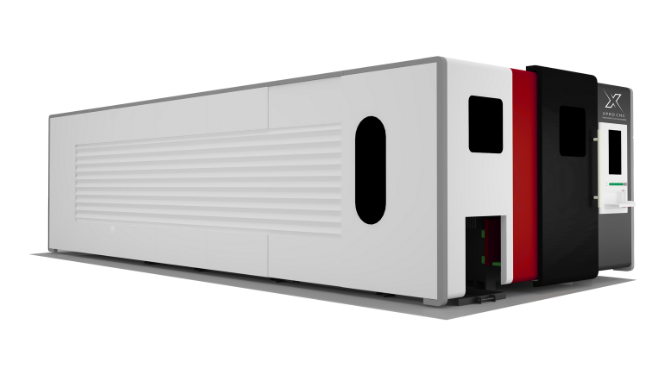
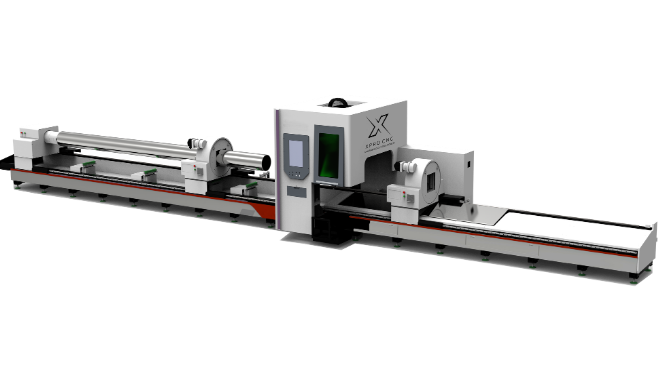
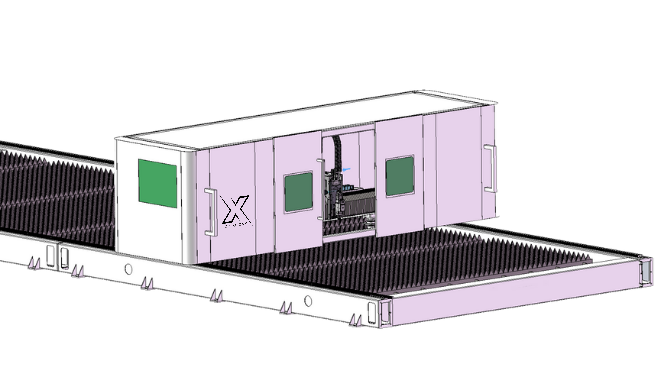
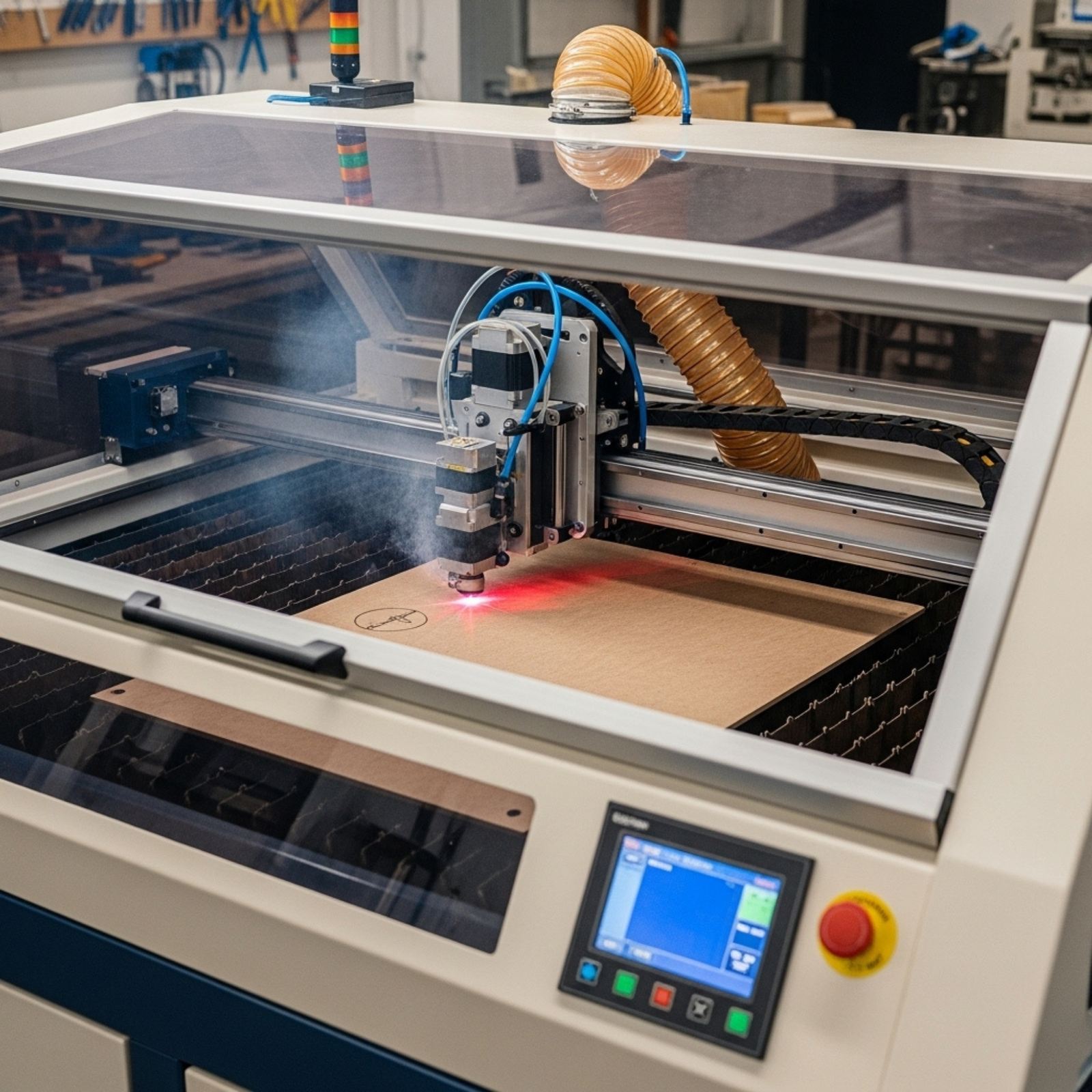
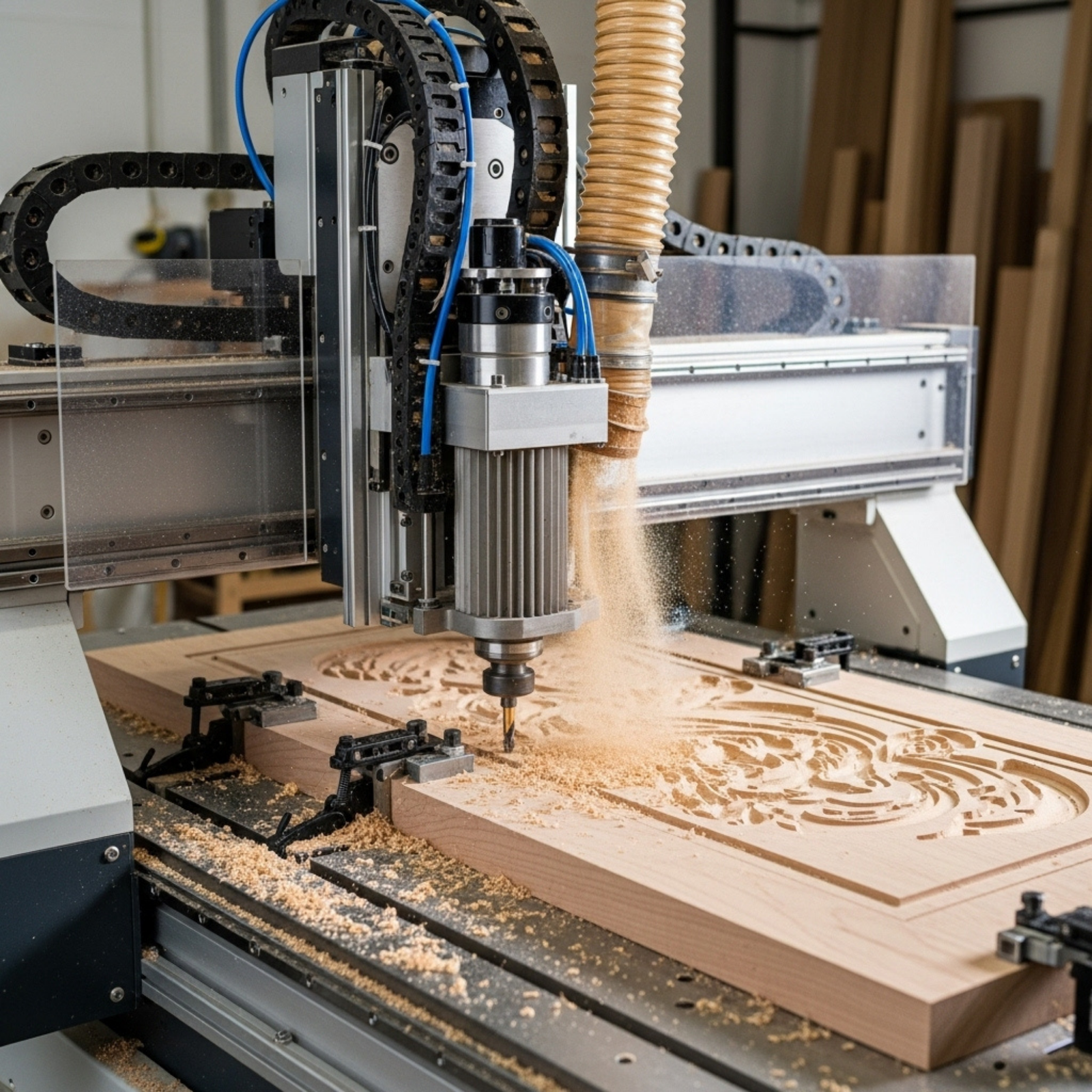
For a startup to succeed, it needs access to professional-grade tools without the enterprise-grade price tag. This is where the availability of versatile machinery becomes critical. Whether it is a small design studio in Vancouver or a rapid prototyping lab in Waterloo, having a reliable CNC router or a precision laser cutter is often the difference between a launch and a delay.
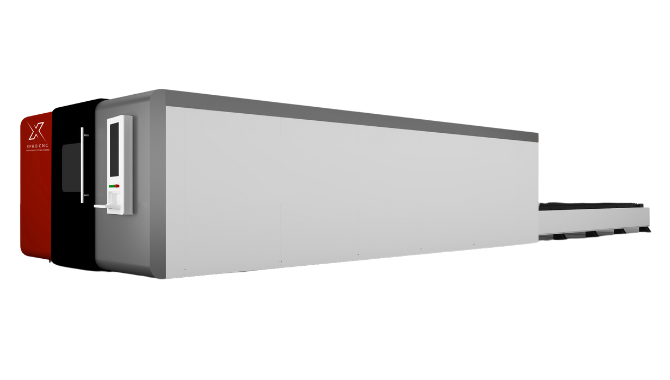
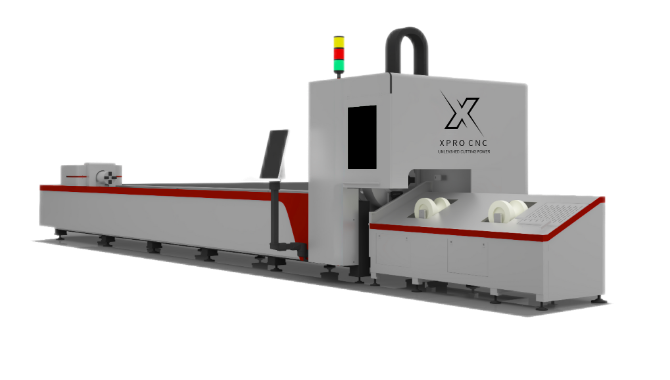
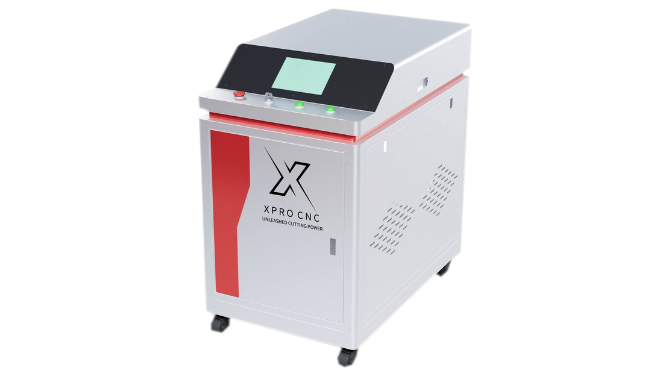
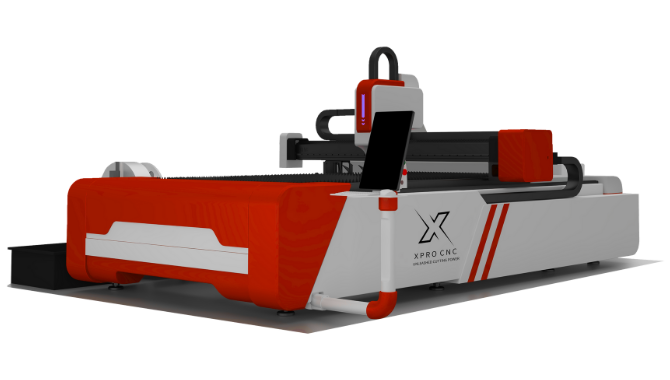
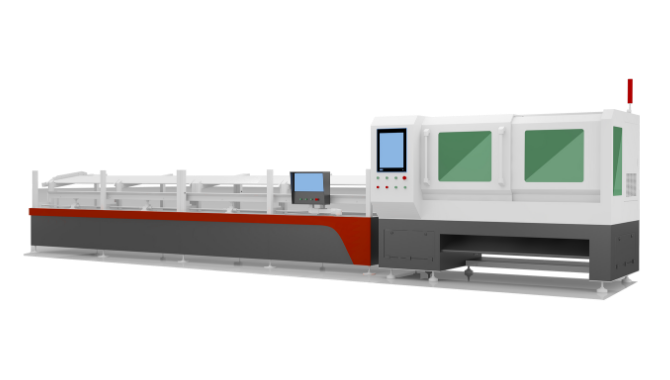
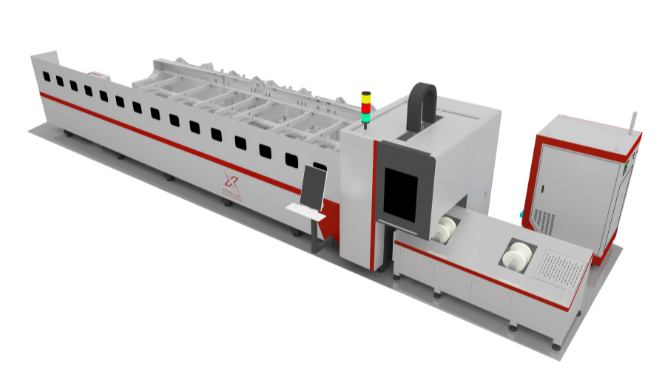
Suppliers like XPRO CNC are pivotal in this ecosystem. By providing robust CNC machines and support to the Canadian market, they enable small businesses to produce parts that rival those of major aerospace manufacturers. This accessibility ensures that innovation remains local, strengthening the Canadian economy.
Looking Ahead
As we move further into 2025, the convergence of software, AI, and hardware will only deepen. Canadian startups have proven they can compete on the global stage, not just by writing code, but by building the physical infrastructure of the future. The “Concept to Cut” journey has never been shorter, and for Canadian manufacturing, the future looks incredibly bright.
Information & Disclaimer
The information provided in this article is for educational and informational purposes only. While every effort has been made to ensure the accuracy of the content regarding 2025 industry trends and company profiles, the manufacturing and technology sectors are subject to rapid change. Readers should not apply specific technical methods or make significant business investment decisions based solely on this content without consulting qualified industry experts. This article mentions specific companies and technologies for illustrative purposes and does not constitute a formal endorsement of all their products or services.