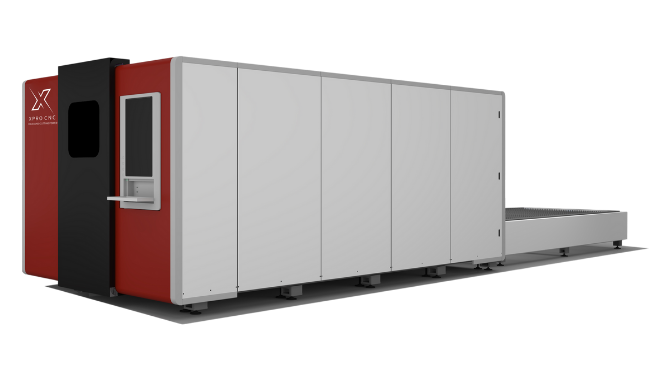
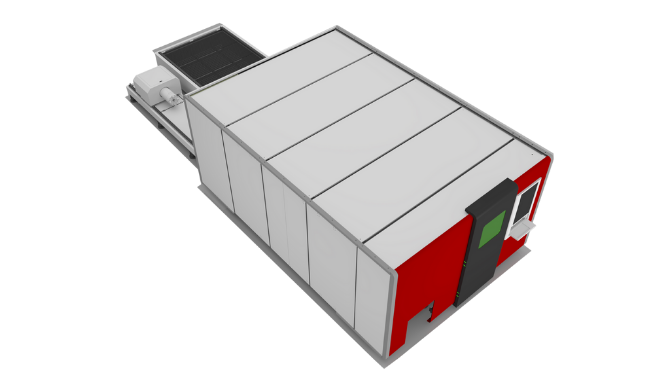
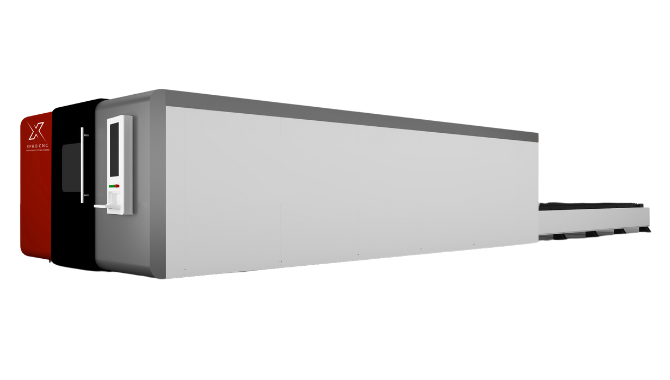
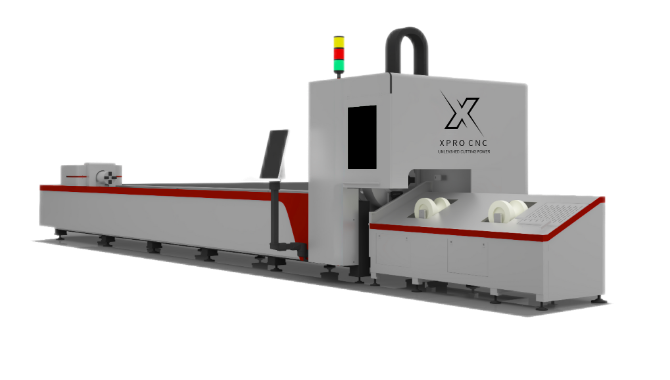


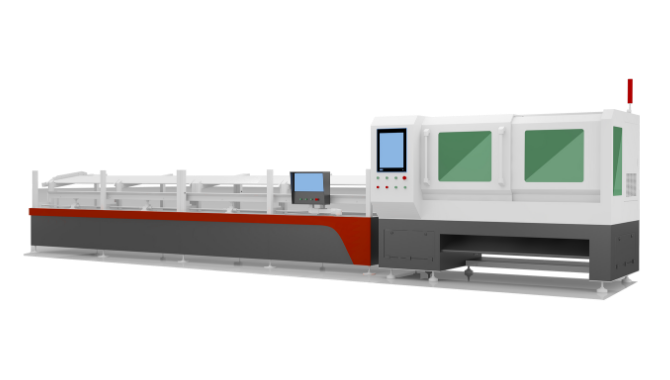
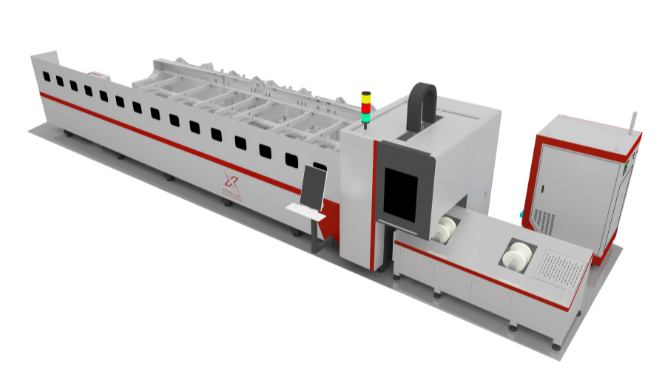
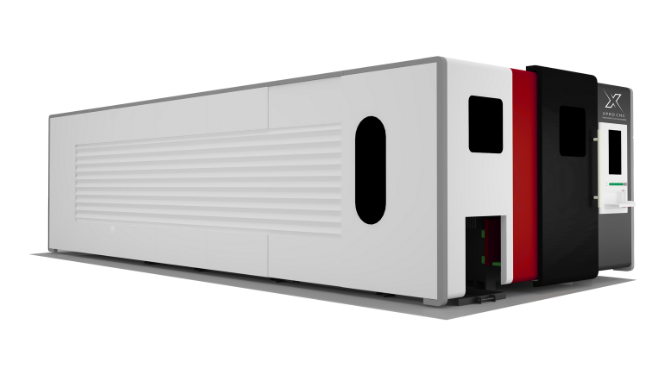
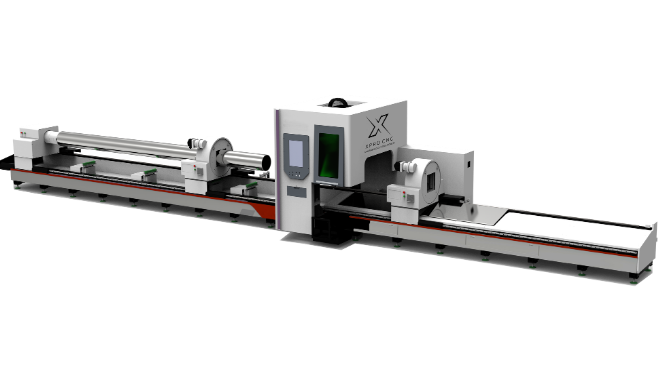
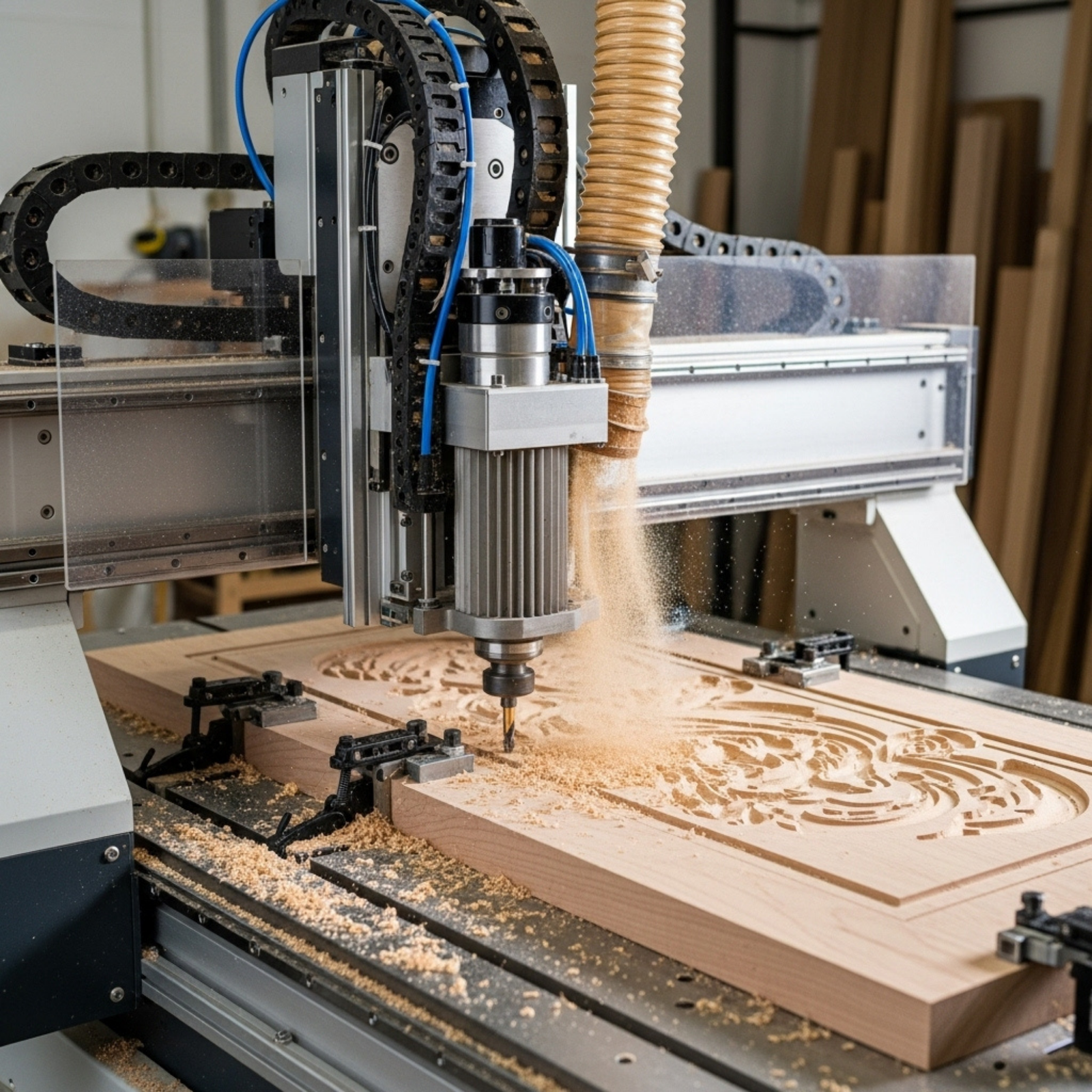
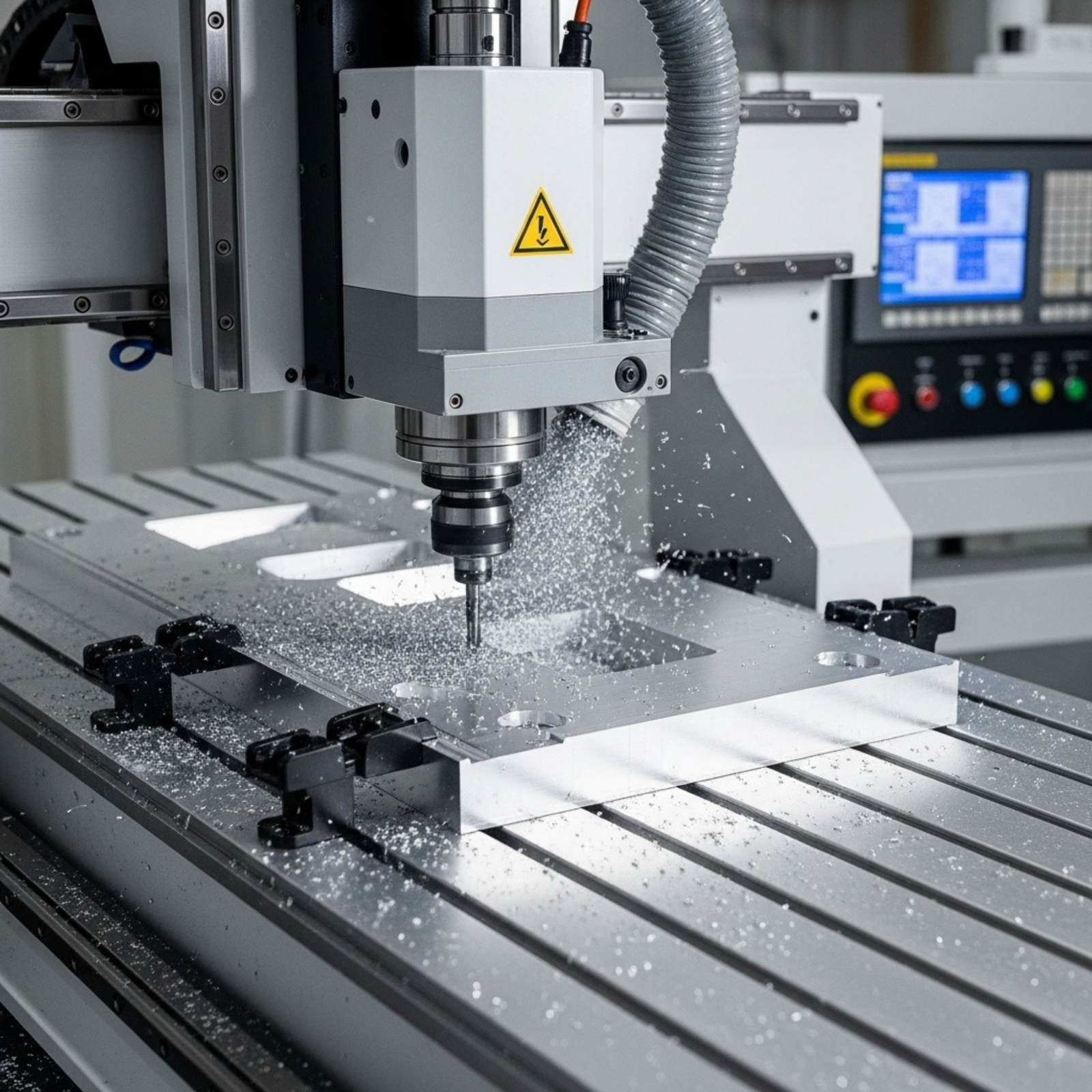
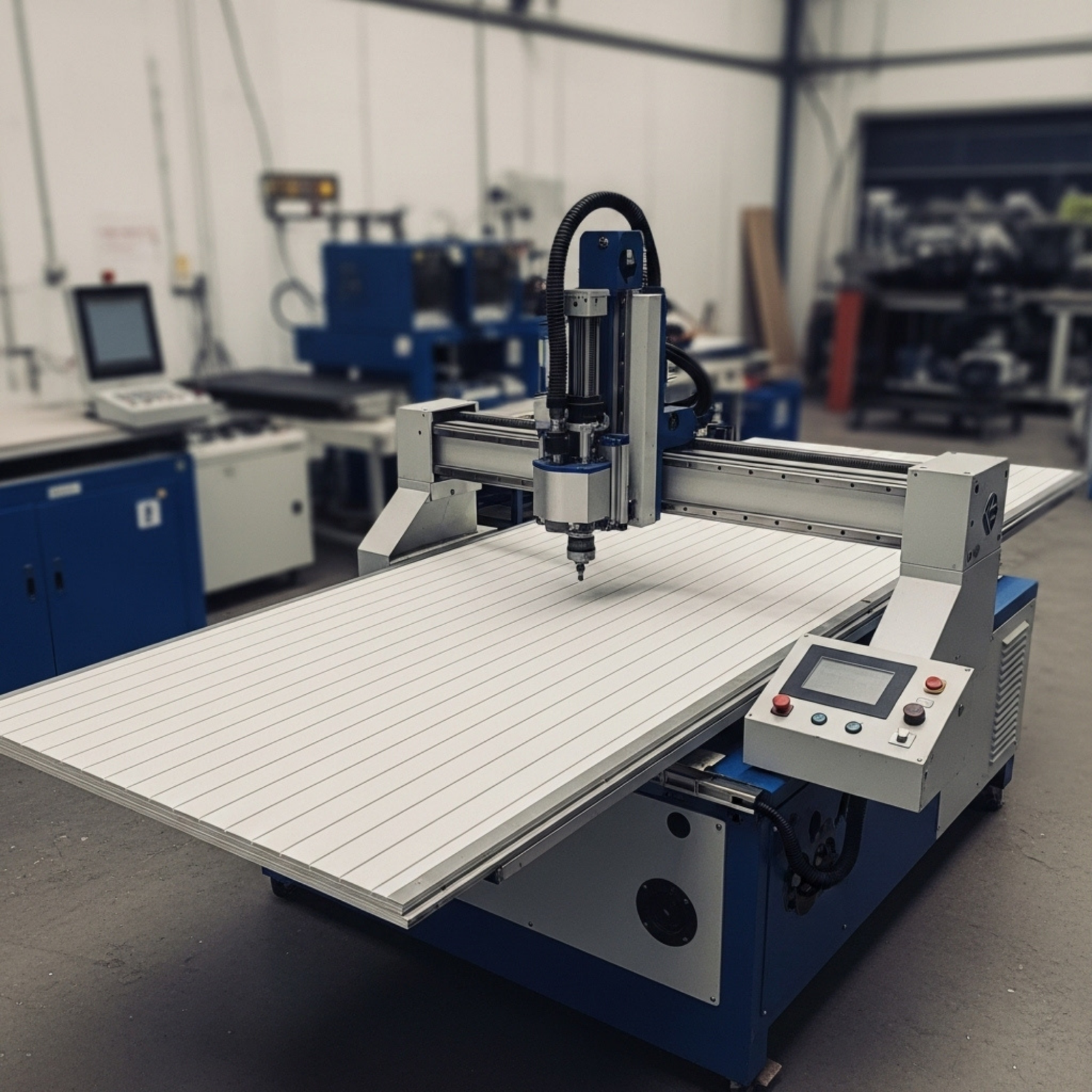
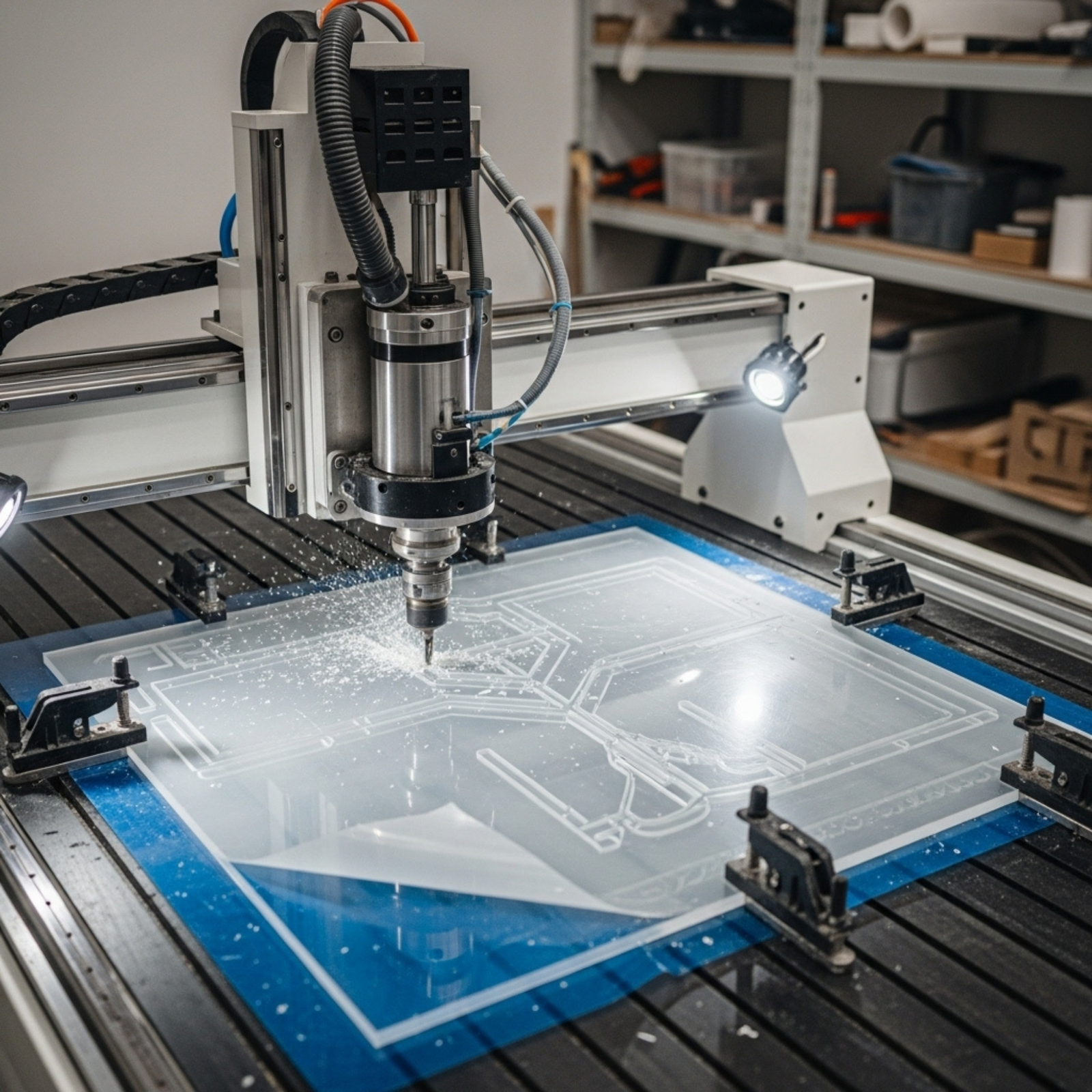

For Canadian small businesses in the manufacturing sector, staying competitive often means investing in high-precision technology. Whether you are upgrading an existing workshop or starting a new fabrication line, acquiring Computer Numerical Control (CNC) machinery is a significant financial commitment.
In 2025, the landscape for CNC financing Canada has evolved. With new federal budget measures, specific tax incentives, and diverse lending programs, there are more pathways than ever to fund your equipment. However, navigating these options requires a clear understanding of what is available and how it impacts your bottom line.
This guide explores the most effective financing strategies for Canadian entrepreneurs, helping you make informed decisions to drive your business forward.
1. The 2025 Economic Landscape for Manufacturers
The Canadian government continues to prioritize the manufacturing sector as a pillar of economic growth. For 2025, the focus is on “productivity” and “innovation.” This means lenders and government programs are particularly favourable toward businesses investing in automation and advanced machinery that increases output and reduces waste.
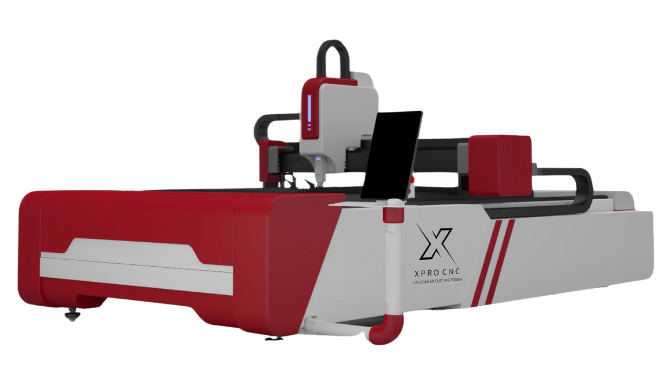
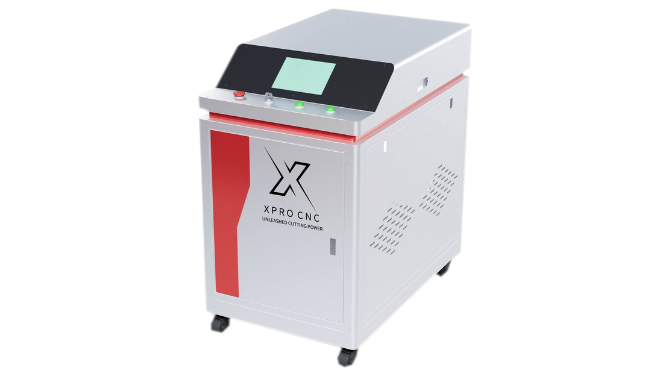
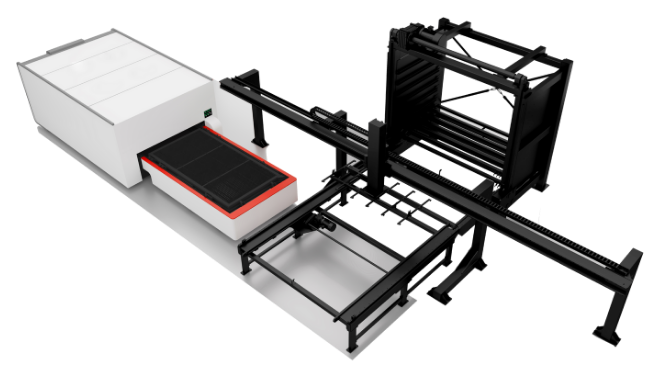
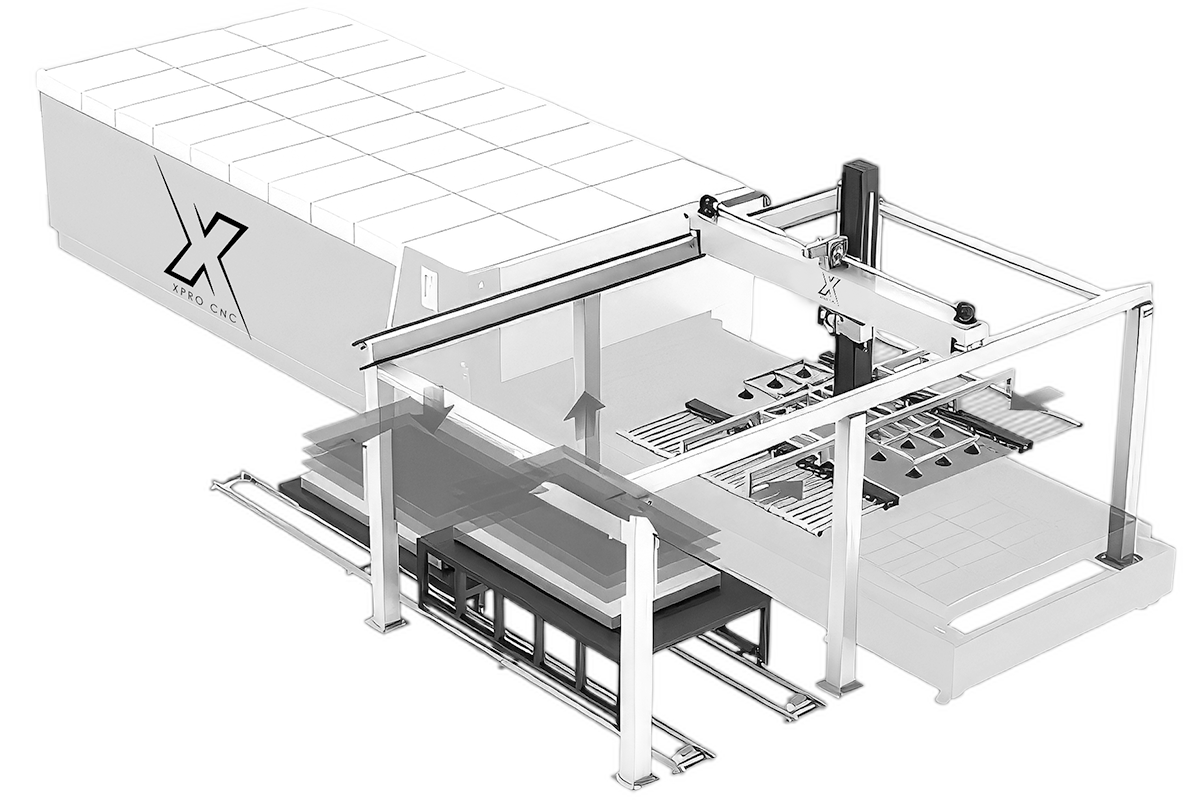
Before applying for financing, it is crucial to audit your current production needs. Are you looking for a versatile mill, a high-speed router, or a specialized lathe? Knowing exactly what you need—and exploring reliable suppliers like xprocnc.com—will help you present a stronger business case to lenders.
2. Government-Backed Loan Programs
For many small businesses, traditional bank loans can be difficult to secure due to strict collateral requirements. Fortunately, federal programs exist to bridge this gap.
Canada Small Business Financing Program (CSBFP)
The CSBFP remains one of the most accessible options for Canadian startups and small businesses. Under this program, the government shares the risk with your financial institution.
- Loan Amount: You can finance up to $1,000,000 for term loans, of which $500,000 can be used for equipment like CNC machines.
- Terms: Interest rates are competitive (often floating rate + 3% or strictly defined fixed rates), and amortization periods can extend up to 15 years for equipment.
- Advantage: This program often requires less personal collateral than a standard commercial loan.
BDC Equipment Financing
The Business Development Bank of Canada (BDC) offers financing specifically designed for purchasing equipment. Unlike traditional banks that may focus heavily on your past credit history, the BDC often looks at the future potential of your project. They offer flexible repayment terms, sometimes including a postponement of principal payments for the first 6 to 12 months to help manage cash flow while you get your new CNC machine running.
3. Tax Incentives: The “Productivity Super-Deduction”
Understanding tax implications is just as important as securing the loan. In 2025, specific tax measures are available to encourage capital investment.
Immediate Expensing & CCA Class 53
Manufacturing and processing machinery typically falls under Capital Cost Allowance (CCA) Class 53. Historically, this allows for a fast write-off rate (50% per year on a declining balance). However, recent budgets have introduced measures often referred to as a “Productivity Super-Deduction” or enhanced immediate expensing.
- What it means: Eligible Canadian-Controlled Private Corporations (CCPCs) may be able to expense 100% of the cost of new CNC machinery in the year it is acquired and put into use.
- The Benefit: This can drastically reduce your taxable income for the year of purchase, effectively lowering the real cost of the machine by improving your immediate cash flow.
Note: Tax rules are subject to specific caps and phase-out periods. Always verify the current status of Class 53 and immediate expensing limits for the 2025 tax year with a CPA.
4. Leasing vs. Buying: Which is Right for You?
When looking at CNC financing options, you will inevitably face the choice between leasing and buying.
Equipment Leasing
Leasing is a popular choice for businesses that want to preserve working capital.
- Pros: Lower upfront costs (often just first and last month’s payment), and lease payments can often be written off as an operating expense (depending on the lease structure).
- Cons: You may pay more over the long term compared to a loan, and you do not own the asset until the final buyout is paid.
Buying (Bank Loan)
Purchasing the machine outright using a loan.
- Pros: You own the asset immediately (building equity), and you can take advantage of the CCA tax depreciation mentioned above.
- Cons: Requires a down payment (usually 10-20%) and impacts your debt-to-equity ratio.
5. Grants and Non-Repayable Funding
While “free money” is rare, grants do exist for specific types of projects, particularly those involving innovation or export expansion.
- CanExport SMEs: If your new CNC equipment helps you produce goods for international markets, you may be eligible for funding to cover related marketing or certification costs (though rarely the equipment cost itself).
- Regional Development Agencies: Agencies like FedDev Ontario or Western Economic Diversification often have funds for modernizing manufacturing capabilities.
- Provincial Programs: Provinces often have specific “technology adoption” grants. For example, programs in Quebec or Ontario may subsidize the cost of assessing and implementing new digital manufacturing technologies.
6. How to Prepare a Winning Application
Lenders in 2025 are data-driven. To maximize your chances of approval for CNC financing Canada, have the following ready:
- A Solid Business Plan: Clearly explain how the new CNC machine will increase revenue. Will it reduce outsourcing costs? Will it speed up production?
- Vendor Quotes: Have precise quotes ready. Suppliers like xprocnc.com can provide detailed invoices that lenders require to finalize loan values.
- Financial Statements: Ensure your balance sheet and income statements for the last two years are up to date.
- Cash Flow Projections: Show the lender that your business can comfortably afford the monthly loan or lease payments.
Conclusion
Investing in CNC technology is a powerful way to future-proof your Canadian manufacturing business. By leveraging the Canada Small Business Financing Program, taking advantage of 2025 tax incentives like immediate expensing, and choosing the right financing structure, you can acquire top-tier equipment without crippling your cash flow.
Whether you choose to lease or buy, the key is preparation. Research your equipment needs, consult with financial experts, and explore reputable suppliers to ensure your investment delivers the returns your business deserves.
Important Information
The information provided in this article is for informational purposes only and does not constitute financial or legal advice. Government programs, tax laws (including CCA rates and immediate expensing rules), and lending criteria are subject to change. Small business owners should consult with a qualified accountant or financial advisor before making any significant financial decisions.