


As we settle into 2025, the global trade landscape continues to shift. For Canada, a nation historically reliant on natural resources, the path to economic resilience is increasingly paved with precision engineering and high-tech manufacturing. At the heart of this industrial evolution is Advanced CNC machining, a technology that has transformed from a workshop necessity into a strategic asset for international trade.
Canadian manufacturers are no longer just competing on price; they are competing on complexity, quality, and speed. From the aerospace hubs of Quebec to the automotive corridors of Ontario, Computer Numerical Control (CNC) technology is the silent engine powering the nation’s export capabilities.
The State of Canadian Manufacturing in 2025
The “Made in Canada” brand has evolved. While lumber and oil remain critical, the 2025 economic landscape highlights a surge in value-added manufactured goods. With global supply chains still recalibrating after the volatility of the early 2020s, international buyers are looking for stability and high adherence to quality standards—two things Canadian exporters are uniquely positioned to offer.
However, to maintain this position, efficiency is paramount. The modern factory floor is digitized, automated, and highly precise. This is where the adoption of high-tier machining capabilities becomes a differentiator for Canadian businesses looking to sell abroad.
What Distinguishes Advanced CNC Machining?
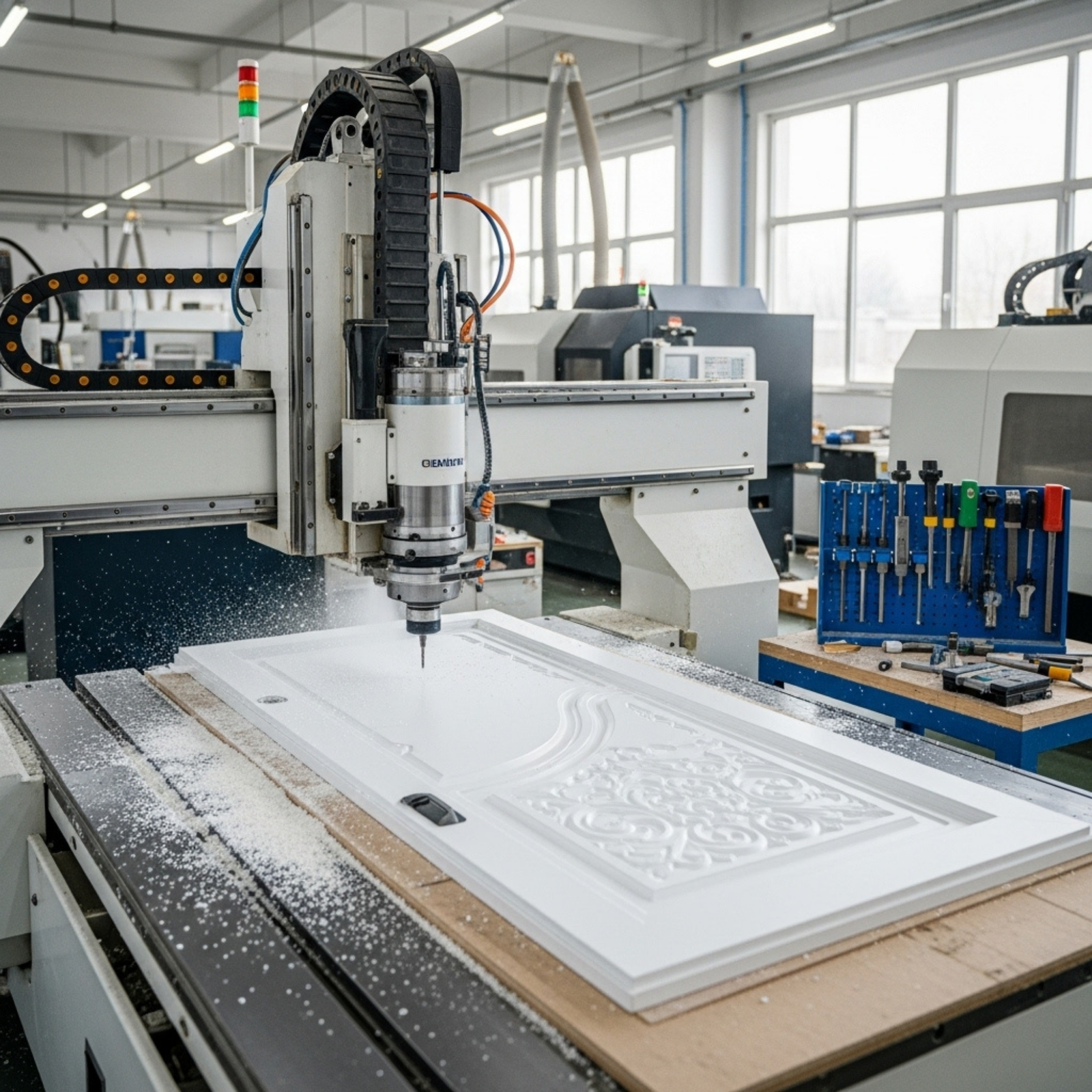
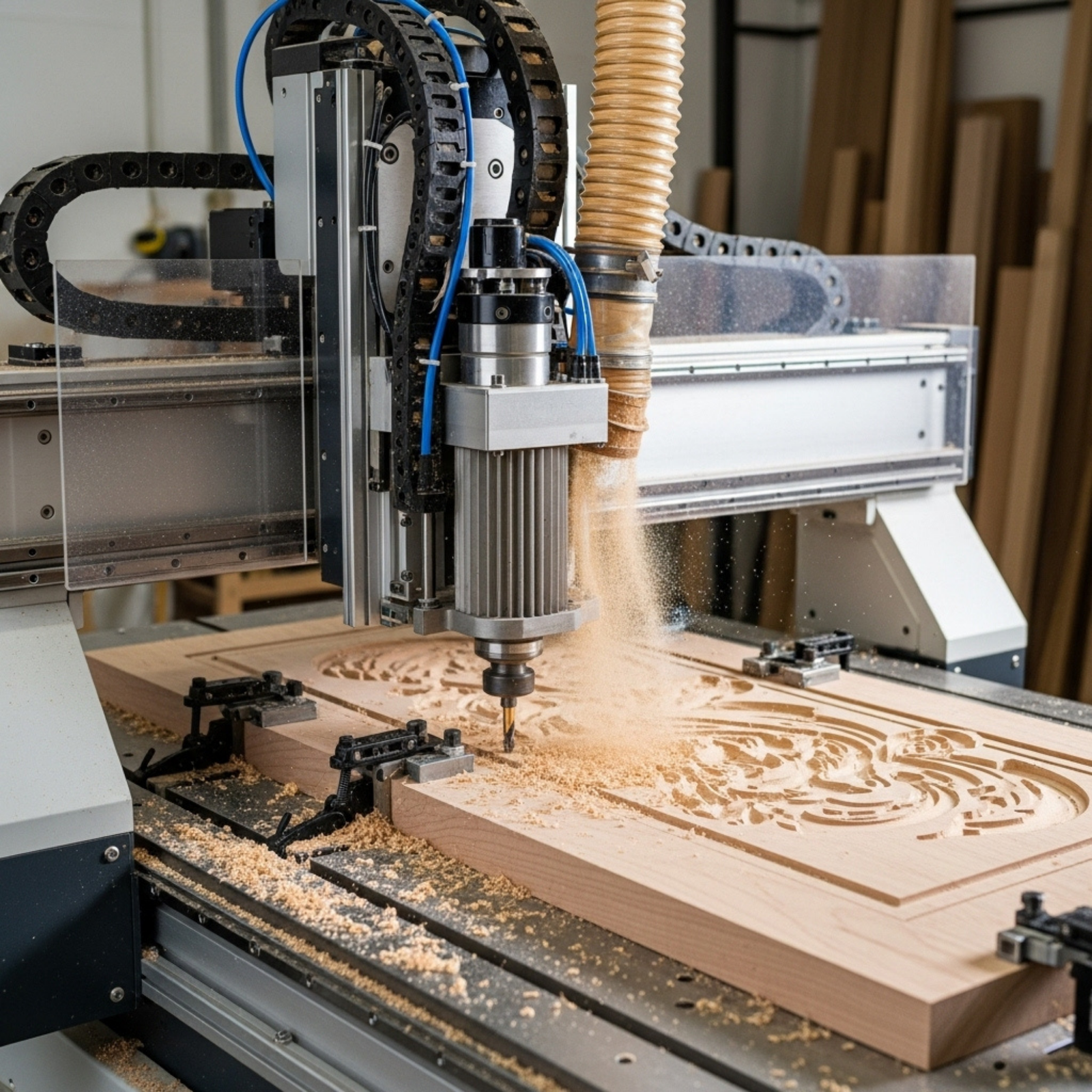
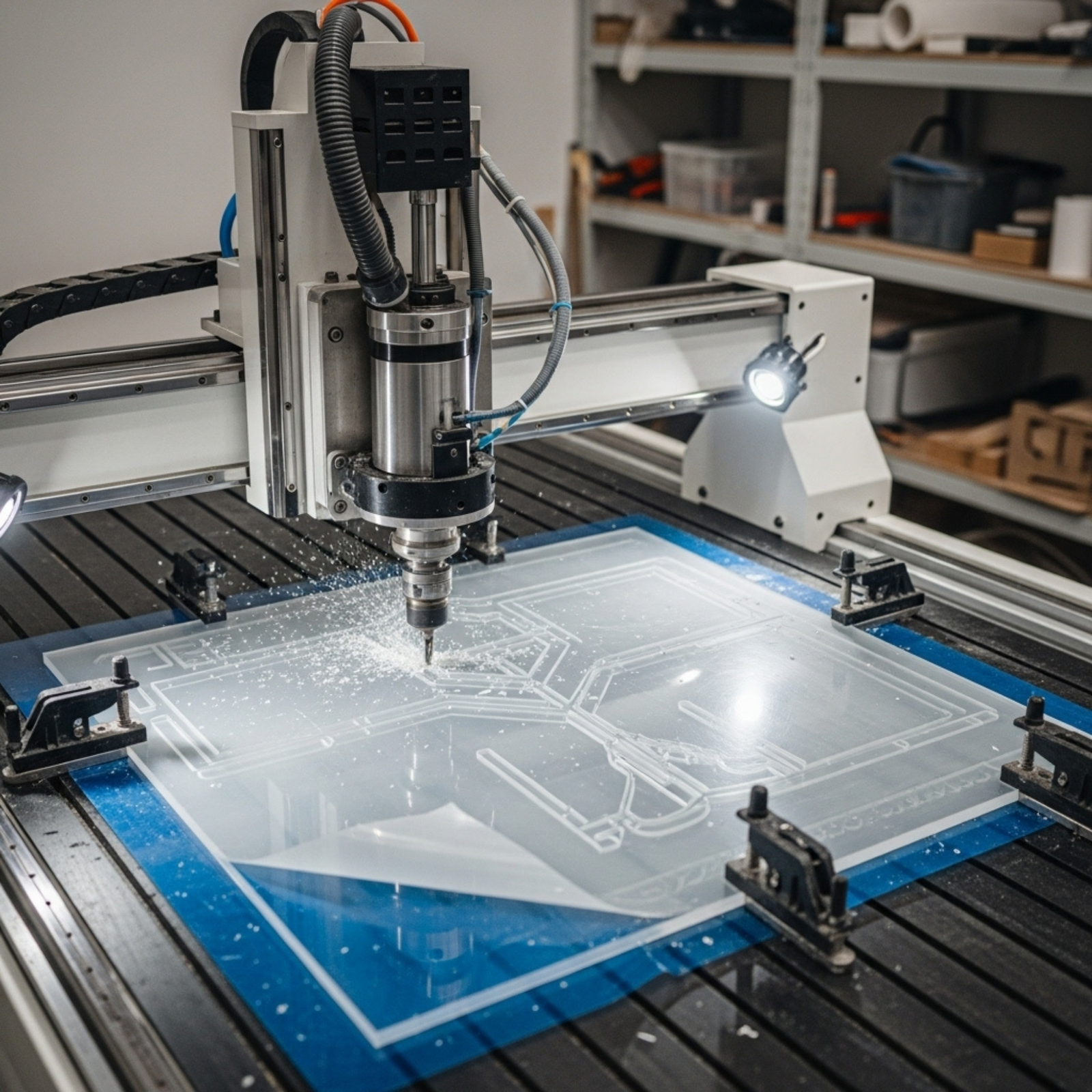
Standard machining has been around for decades, but what we see in 2025 is a leap forward. Advanced CNC machining refers to the use of multi-axis machines (such as 5-axis and 9-axis systems), automated loading robots, and AI-driven quality control integration.
Unlike traditional 3-axis milling, which requires a machinist to manually reposition the workpiece for different cuts, advanced 5-axis machines can approach a part from nearly any angle in a single setup. For exporters, this translates to:
- Reduced Lead Times: Parts move from design to shipping dock faster.
- Higher Complexity: The ability to machine distinct geometries that were previously impossible.
- Lower Error Rates: Fewer manual interventions mean fewer chances for human error.
Powering Key Export Sectors
The true value of this technology is best seen in the specific industries driving Canada’s trade balance.
1. Aerospace and Defence
Canada remains a global top-tier player in civil aviation and flight simulation. The components required for modern aircraft—turbine blades, landing gear structures, and avionics housings—demand tolerances measured in microns.
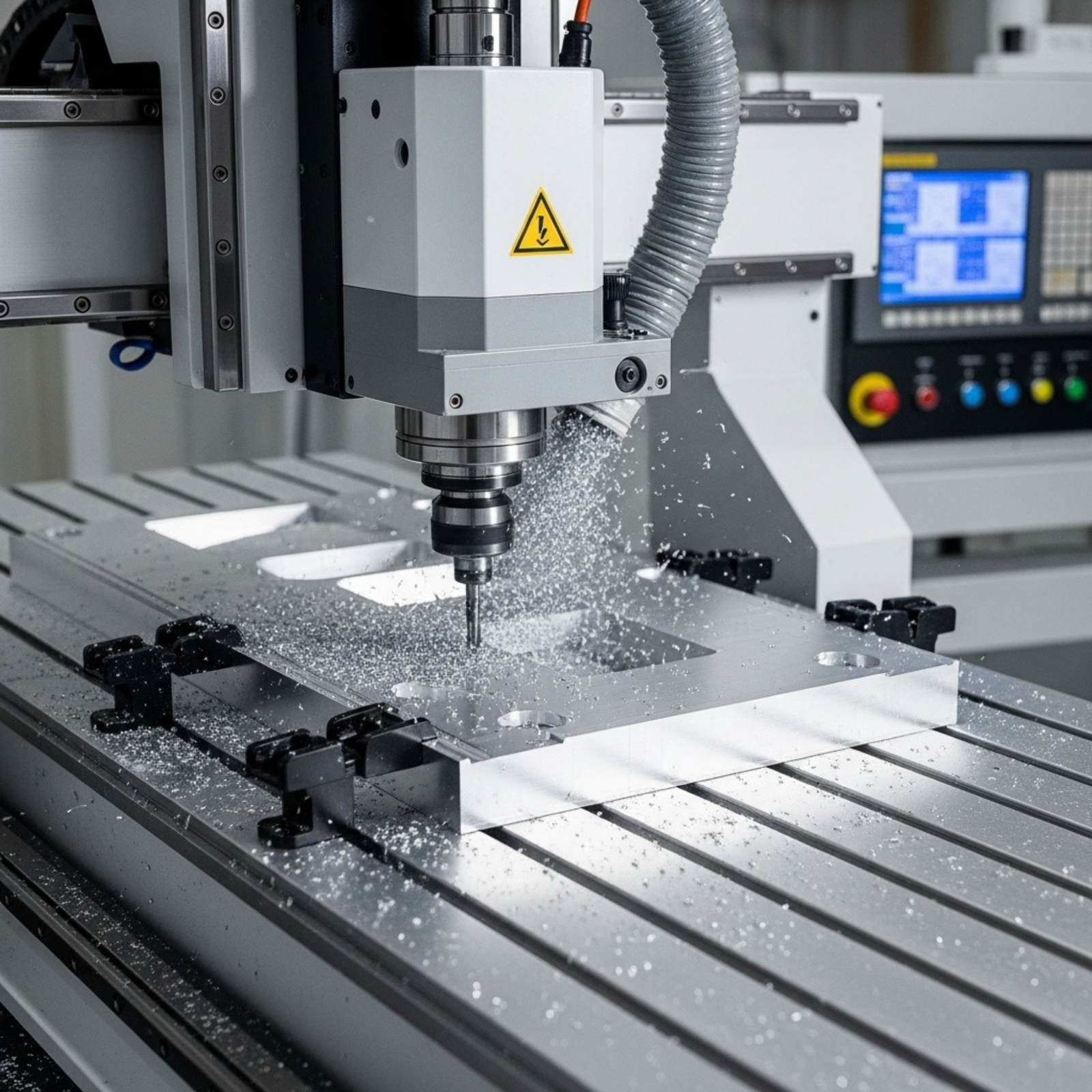
Advanced CNC machining allows manufacturers to work with exotic materials like Inconel and Titanium, which are notorious for being difficult to cut but essential for flight safety. By utilizing high-speed machining strategies, Canadian shops can export components that meet the rigorous AS9100 quality standards required by global aerospace giants. For more on Canada’s role in this sector, you can visit Aerospace Industries Association of Canada (AIAC).
2. The Electric Vehicle (EV) Transition
Ontario’s automotive sector has undergone a massive retooling to support the global shift to electric vehicles. EVs require different components than internal combustion engines. There is a higher demand for lightweight aluminum chassis parts and complex battery enclosures to extend range.
Precision CNC machining is critical here, particularly for mold making and prototyping new drive units. As Canada positions itself as a leader in the EV battery supply chain, the machining capacity to support this ecosystem is vital for export potential to the United States and Europe.
3. Energy and Clean Tech
From the oil sands of Alberta to the nuclear refurbishment projects in the East, energy sector components must withstand extreme pressure and heat. Furthermore, the burgeoning hydrogen and renewable energy markets require specialized valves and fittings that can only be produced through precision machining services. These high-value components are increasingly being exported to countries seeking reliable energy infrastructure solutions.
The Competitive Edge: Quality Over Cost
In the global market, competing strictly on labour costs is rarely a winning strategy for Western nations. Instead, Canada wins on “Total Cost of Ownership” (TCO).
When a European or American buyer sources a part from Canada, they are paying for assurance. Advanced CNC machining ensures consistency. If a client orders 10,000 units, the first and the ten-thousandth must be identical.
Modern CNC software utilizes “digital twins”—virtual replicas of the machining process—to predict and solve errors before a single chip of metal is cut. This level of sophistication reduces material waste and ensures that Canadian exports do not just meet the spec, but exceed it.
Securing the Supply Chain through Reshoring
One of the defining trends of 2025 is “friend-shoring”—trading primarily with political allies to ensure supply chain security. As a USMCA partner and a stable democracy, Canada is a prime destination for this investment.
However, to capitalize on this, local capacity is needed. Investment in CNC manufacturing partners allows Canadian companies to scale production rapidly without waiting for overseas shipments. This agility makes Canadian exporters reliable partners in a world where logistics can be unpredictable.
Conclusion
The future of Canadian exports is not just about raw materials; it is about what we do with those materials. Advanced CNC machining provides the technological leverage necessary to transform raw aluminum, steel, and titanium into high-value aerospace parts, medical devices, and automotive components.
By embracing automation, multi-axis precision, and digital integration, Canadian manufacturers are not just participating in the global economy—they are driving it. As we move deeper into 2025, those who invest in these advanced capabilities will be the ones writing the next chapter of Canada’s export success story.
Information & Disclaimer
The content provided in this article is for informational purposes only and reflects the state of the industry as of early 2025. While every effort has been made to ensure the accuracy of the information regarding economic trends, manufacturing technologies, and export data, this article does not constitute professional engineering, financial, or legal advice. Manufacturing standards and trade regulations can change rapidly. We strongly recommend consulting with qualified industry experts or legal counsel before making significant investment or operational decisions based on this content.