


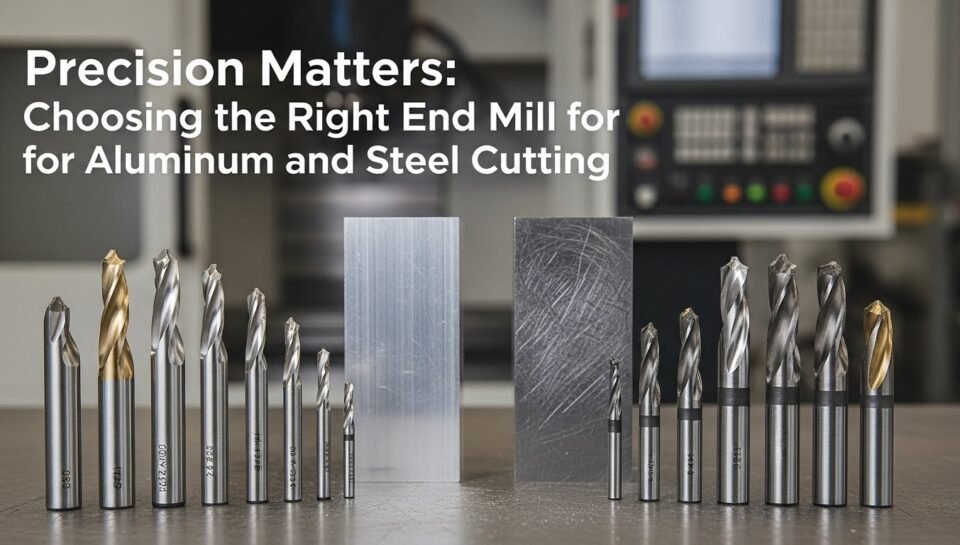
In the world of CNC machining, the difference between a perfect finish and a scrapped part often comes down to a single decision: selecting the right tool for the job. While it might be tempting to use a “one-size-fits-all” approach, the reality is that aluminum and steel are chemically and physically distinct materials that demand specialized tooling strategies.
Whether you are running a high-production aerospace facility or a small prototype shop, understanding the nuances of end mill selection is critical. This guide will walk you through the technical differences, geometry requirements, and coating technologies that separate end mills designed for aluminum from those engineered for steel.
The Fundamental Difference: Chip Evacuation vs. Core Strength
The primary battle in milling is managing heat and clearing chips. Aluminum is soft, gummy, and has a low melting point. Steel is hard, rigid, and generates intense heat at the cutting edge.
Machining Aluminum: The Need for Space
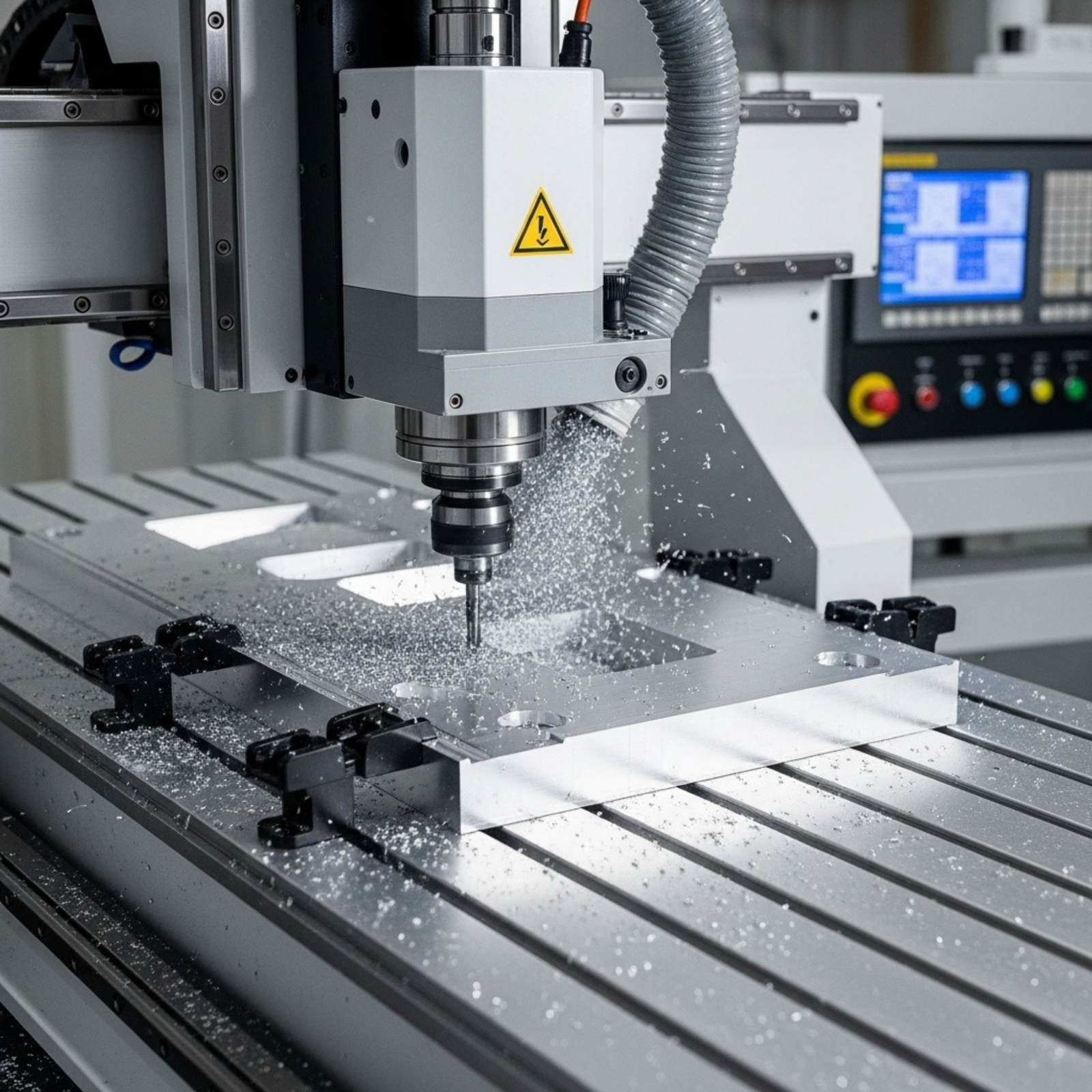
When cutting aluminum, the material tends to stick to the cutting edges—a phenomenon known as “built-up edge” (BUE). If the chips are not evacuated instantly, they can re-weld to the tool, leading to catastrophic failure.
- Flute Count: You should typically use 2 or 3 flutes. This design provides large “valleys” (gullets) between the cutting edges, allowing the large, curling aluminum chips to escape easily.
- Helix Angle: A higher helix angle (typically 45° or higher) helps lift the chips out of the cutting zone quickly, much like an Archimedes screw.
Machining Steel: The Need for Rigidity
Steel requires a tool that can withstand high cutting forces without deflecting or chattering. Because steel produces smaller chips, you don’t need as much space for evacuation.
- Flute Count: A 4, 5, or even 6-flute end mill is the standard. More flutes mean a larger core diameter, which significantly increases the tool’s rigidity and reduces deflection.
- Variable Helix: High-performance steel tools often feature a variable helix geometry. This uneven spacing breaks up harmonic vibrations, preventing the “chatter” that ruins surface finishes in harder metals.
Coatings: The Silent Performance Booster
Applying the wrong coating can be worse than using no coating at all. The chemical interaction between the tool coating and the workpiece material is a crucial factor in tool life.
For Aluminum: Slick and Cool
You want a coating that prevents sticking.
- ZrN (Zirconium Nitride): A popular choice for aluminum, usually a pale gold or silver colour. It offers high lubricity to prevent BUE.
- Uncoated (Bright Finish): surprisingly, highly polished uncoated carbide is often superior for aluminum because it offers the sharpest possible cutting edge.
- Avoid AlTiN: Never use Aluminum Titanium Nitride coatings on aluminum. The chemical affinity between the aluminum in the coating and the workpiece causes the material to weld to the tool almost instantly.
For Steel: Heat Resistance
You need a coating that acts as a thermal barrier.
- AlTiN / TiAlN: These darker, violet-black coatings are industry standards for steel. They form a protective aluminum-oxide layer when exposed to heat, allowing the tool to run at much higher temperatures without breaking down.
- AlCrN (Aluminum Chromium Nitride): Excellent for extreme heat and abrasive resistance in tough stainless steels.Pro Tip: For a deeper dive into coating tribology, industry leaders like Sandvik Coromant provide extensive technical resources on how heat affects coating integrity.
Speeds and Feeds: The Balancing Act
Even the best CNC tools will fail if run at the wrong parameters.
- Aluminum: Generally loves high RPM. You are often limited only by your machine’s max spindle speed. The goal is to shear the material away quickly to prevent heat soaking.
- Steel: Requires lower RPM but higher torque. Running steel too fast generates excessive heat that kills carbide. However, you must maintain a sufficient feed rate to prevent “rubbing,” which work-hardens the material.
For precise calculations, referencing the “Machining Formulas” from trusted sources like Kennametal is highly recommended before programming your toolpaths.
Conclusion
Choosing the right tool is about respecting the material. Aluminum demands sharp edges and room to breathe, while steel demands rigidity and thermal protection. By matching your milling cutter to the specific properties of your workpiece, you ensure longer tool life, better surface finishes, and a more profitable machining process.
Don’t guess with your tooling. Whether you are stocking up on high-performance carbide end mills or looking for specialized cutters, ensuring you have the right geometry for the material is the first step toward precision.
Important Information
The information provided in this article is for educational and informational purposes only. Machining parameters and tool selection can vary significantly based on machine rigidity, specific alloy grades, and setup conditions. Always consult the manufacturer’s technical data sheets and seek expert opinion before applying high-speed machining techniques to avoid equipment damage or personal injury.