

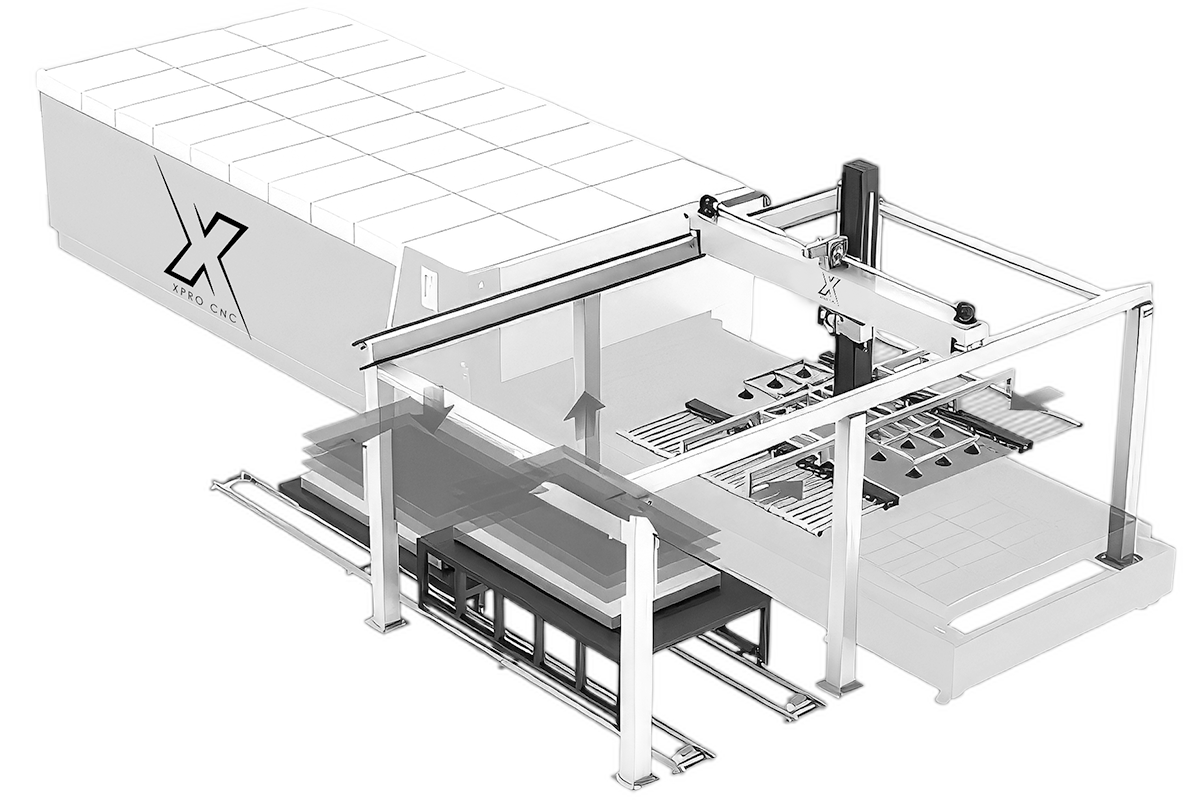
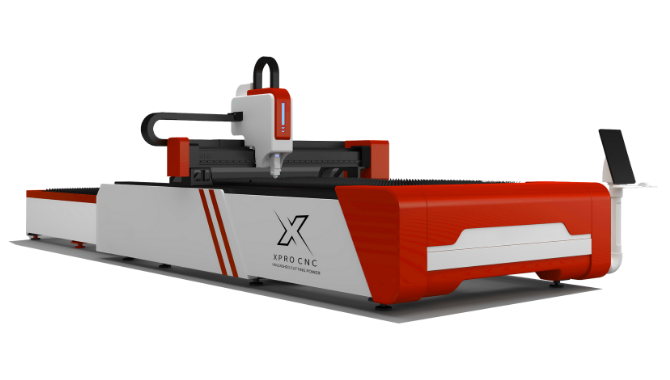
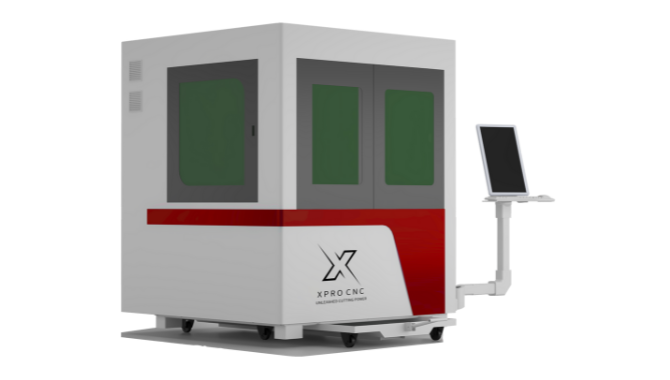

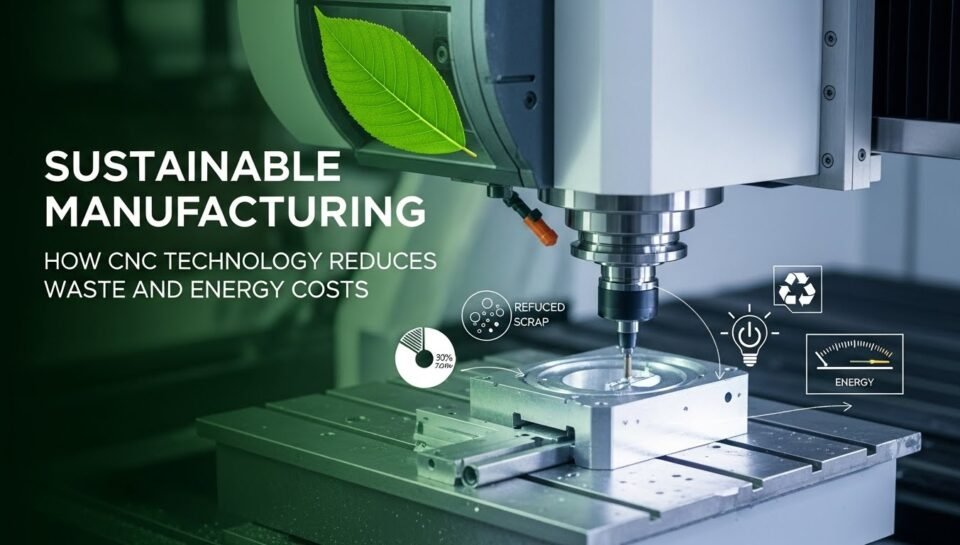
As we navigate through 2025, the pressure on industries to adopt greener practices has never been higher. For the manufacturing sector, the challenge lies in balancing high-volume production with environmental responsibility. This is where Sustainable Manufacturing comes into play. It is no longer just a buzzword; it is a critical operational strategy that defines the future of industry.
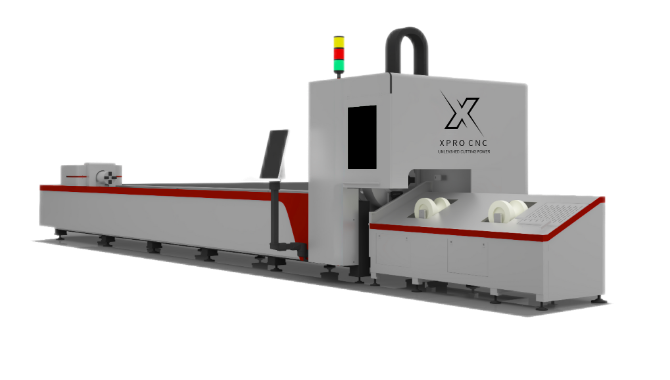
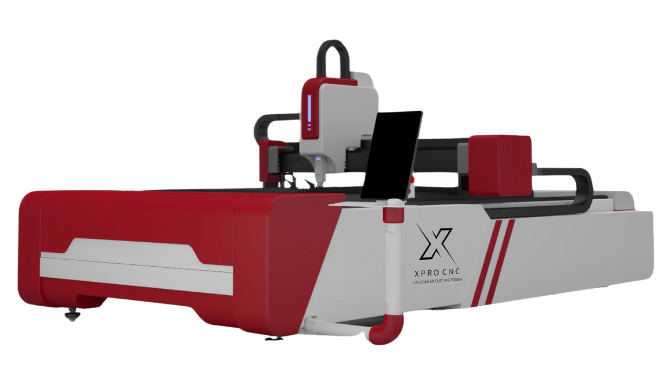
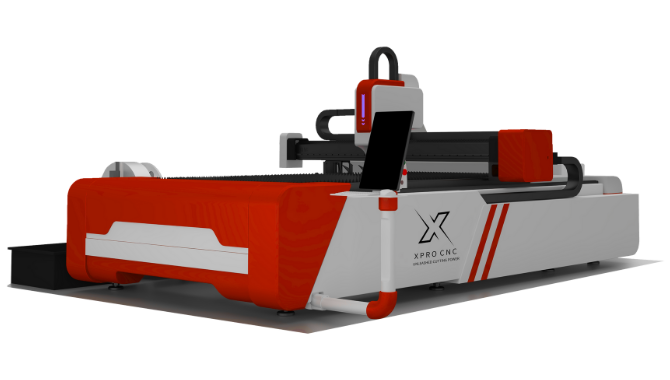
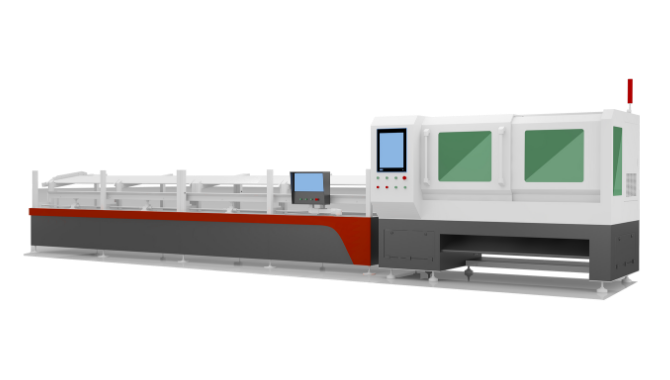
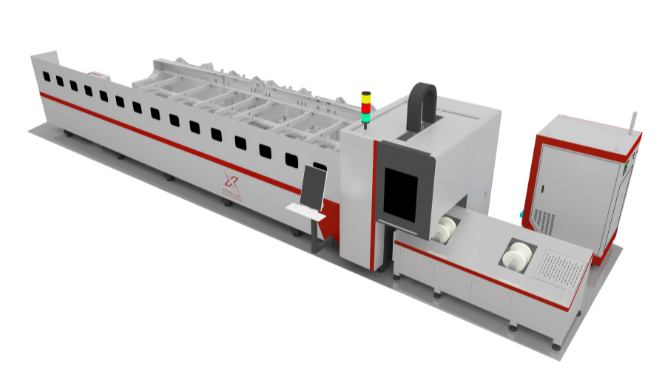
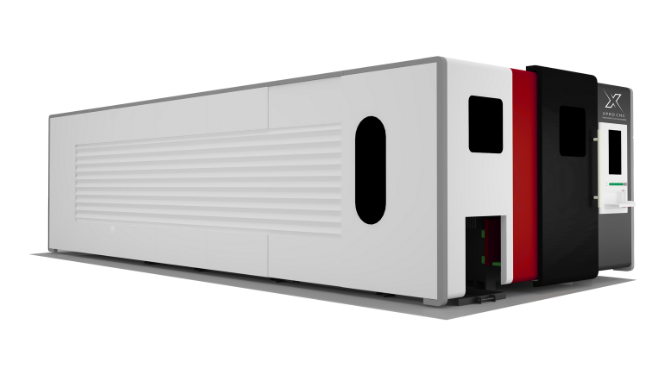
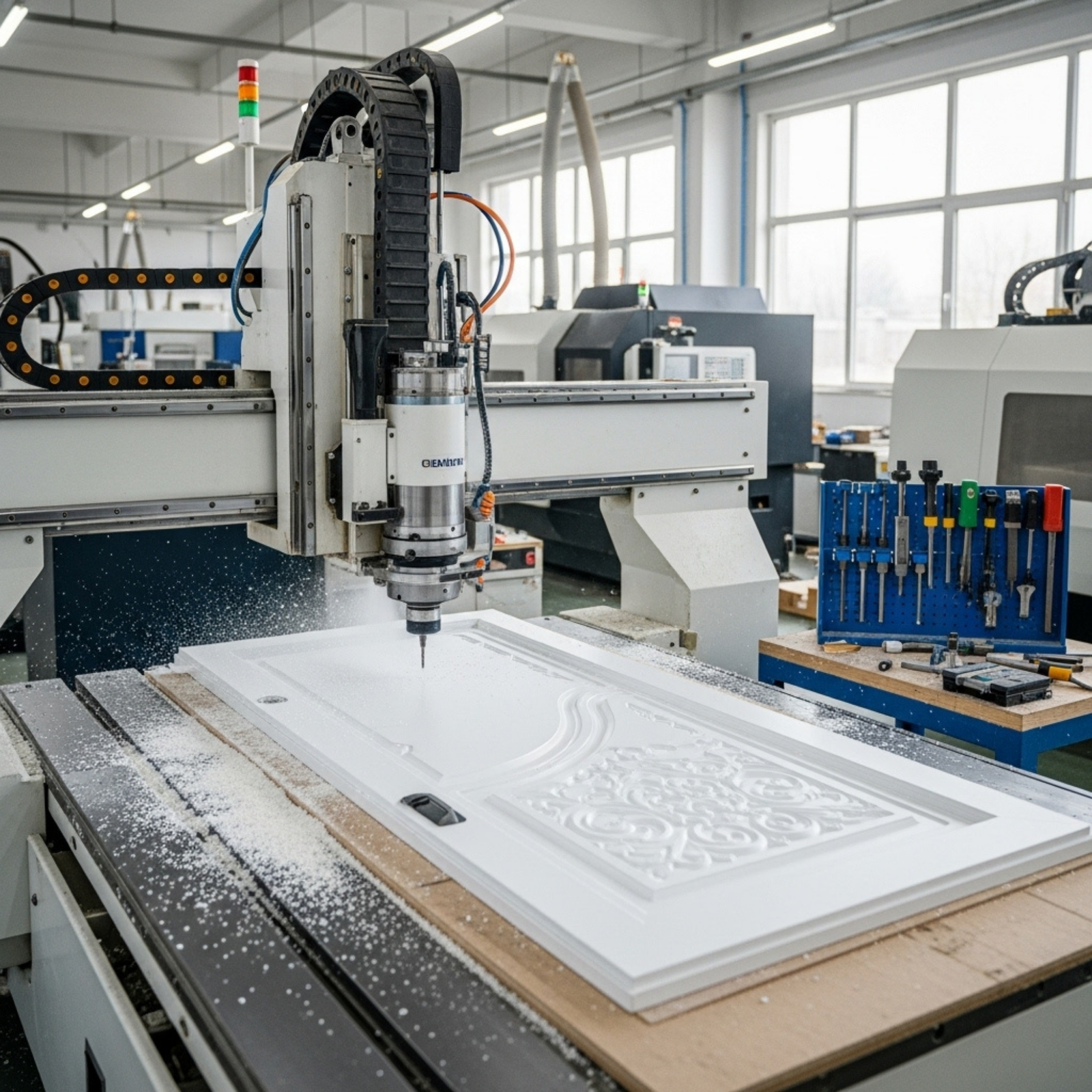
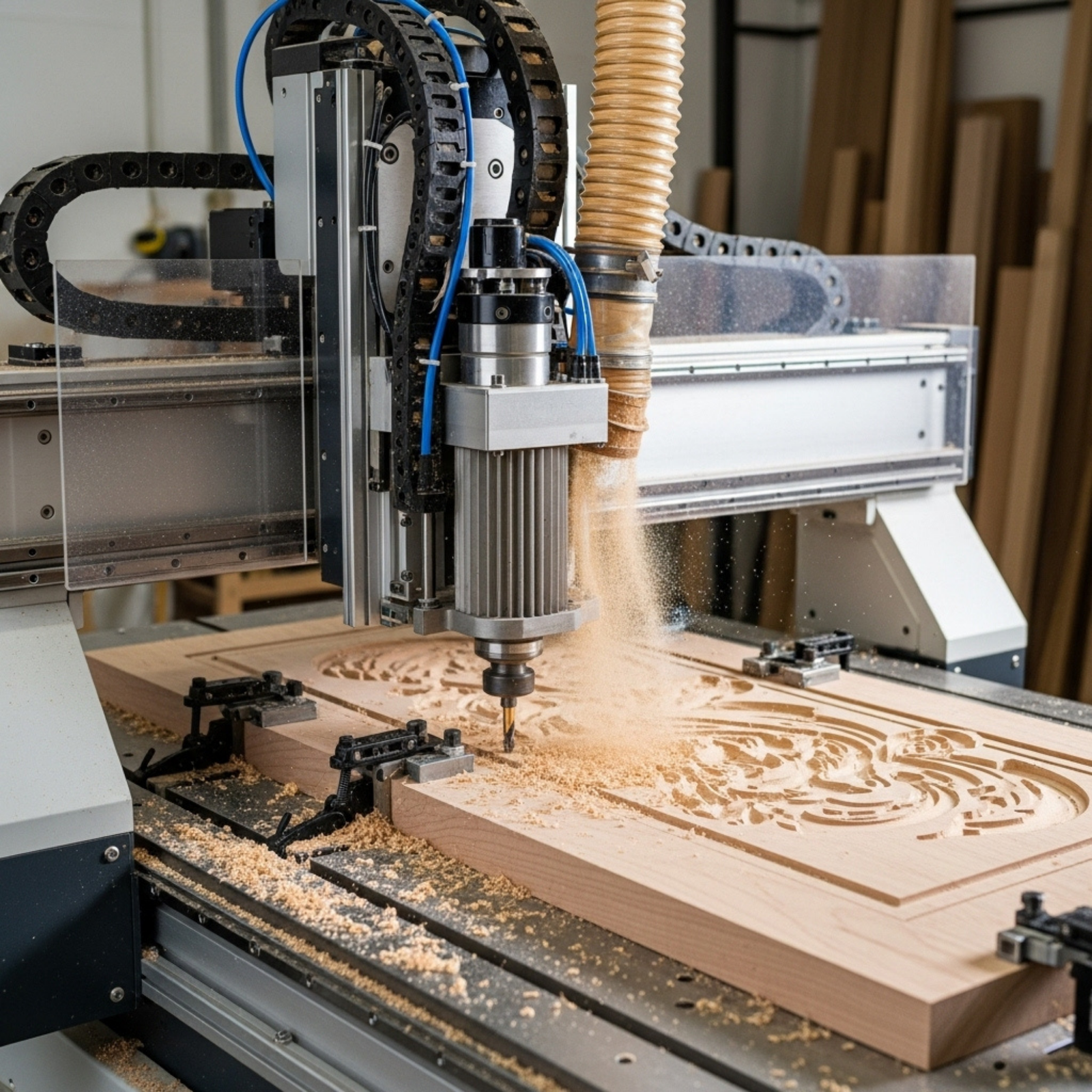
At the heart of this green revolution lies Computer Numerical Control (CNC) machining. While traditional manufacturing methods often struggle with excess scrap and high power consumption, modern CNC technology has evolved to become a champion of efficiency. By optimizing processes and minimizing errors, CNC machining is helping shops across Canada and the world reduce their environmental footprint while boosting profitability.
Here is how CNC technology is driving the shift toward a cleaner, more efficient industrial landscape.
Precision Engineering: Doing It Right the First Time
One of the most significant contributors to industrial waste is human error and the production of defective parts. In older machining setups, a slight miscalculation could result in an entire batch of components being scrapped.
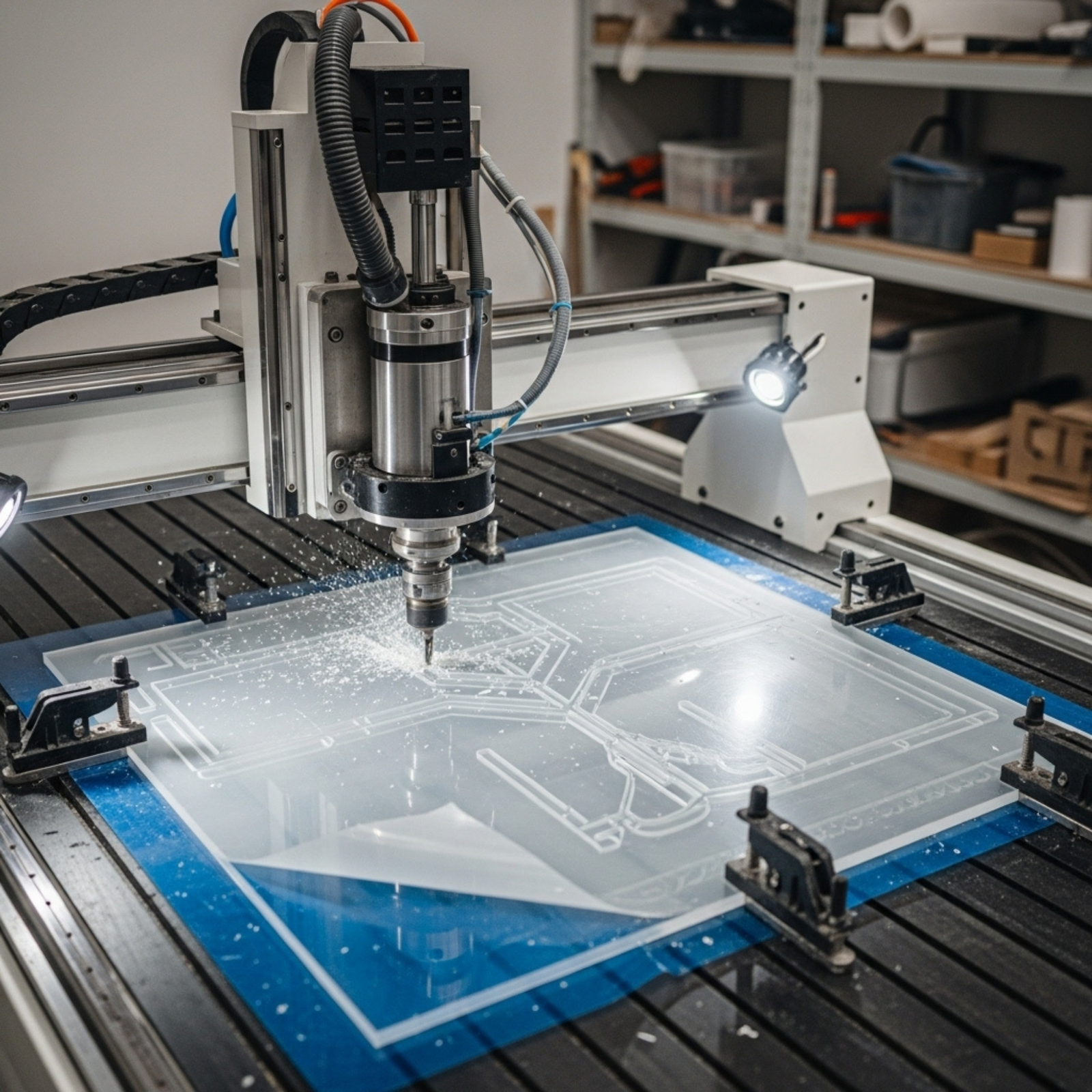
CNC machines operate with micron-level precision, guided by advanced computer-aided design (CAD) and computer-aided manufacturing (CAM) software. This automation ensures that once a program is verified, the machine can produce thousands of identical parts with virtually zero deviation. By achieving “first-time-right” production, manufacturers drastically reduce the pile of scrapped materials that would otherwise end up in landfills.
Material Efficiency and the Circular Economy
While CNC machining is a subtractive process—meaning it removes material to create a shape—modern technology has revolutionized how raw materials are utilized.
Advanced Nesting Algorithms
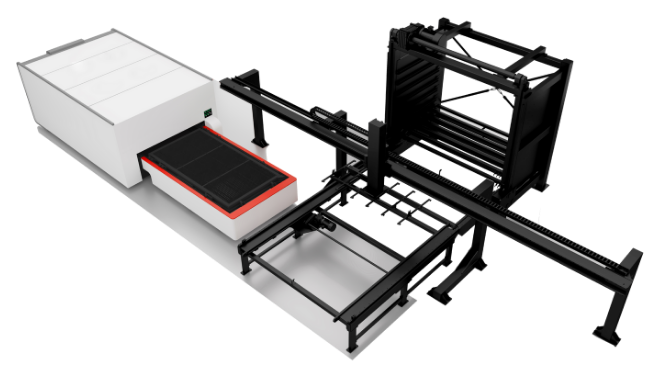
Software advancements in 2025 allow for intelligent “nesting.” This process arranges multiple parts on a single sheet of metal or block of material in the most efficient pattern possible. By minimizing the gaps between parts, CNC operators maximize the yield from every piece of raw stock, leaving behind as little waste as possible.
Recycling Swarf (Chips)
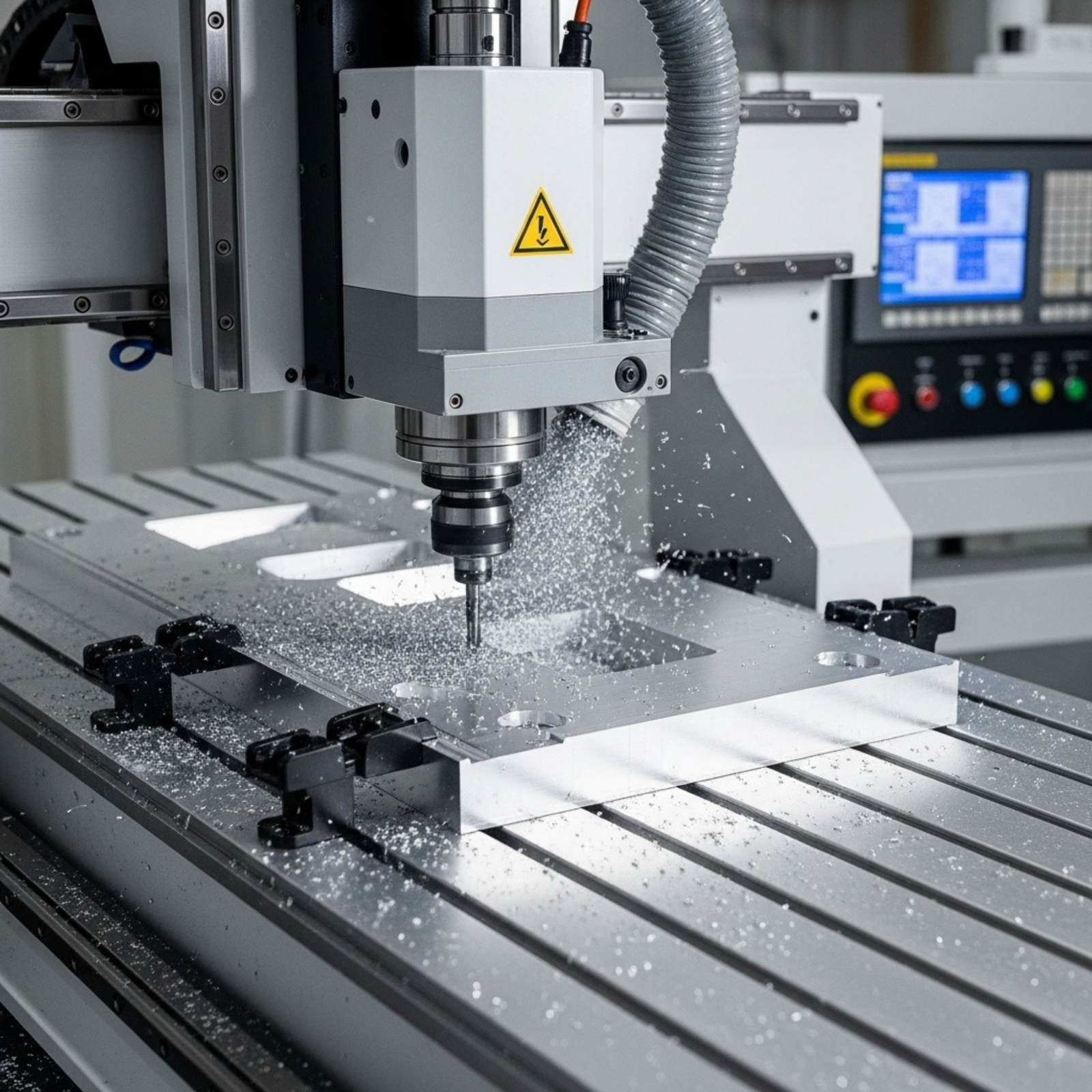
The metal shavings, or “swarf,” produced during CNC machining are highly recyclable. Unlike composite waste or mixed materials from other manufacturing processes, the swarf generated by CNC mills and lathes is often a pure metal alloy (such as aluminum, steel, or titanium). This makes it ideal for the circular economy, where waste is collected, melted down, and reintroduced into the supply chain as new raw material.
Reducing Energy Consumption with Smart Technology
Energy efficiency is a major pillar of Sustainable Manufacturing. Modern CNC machines are far less power-hungry than their predecessors, thanks to several key innovations:
- Regenerative Drives: Much like electric vehicles, many modern CNC machines use regenerative braking systems. When the machine’s spindle slows down, the kinetic energy is converted back into electricity and returned to the system, rather than being lost as heat.
- Smart Idle Modes: In the past, machines might run at full power even when waiting for a setup change. Today’s smart CNC systems automatically enter low-power “sleep” modes when idle, significantly cutting daily energy usage.
- Faster Cycle Times: High-speed machining strategies allow cutters to remove material faster without sacrificing quality. A part that used to take 20 minutes to machine might now take only 10 minutes. Halving the production time effectively halves the energy required for that specific component.
The Role of AI and IoT in Green Manufacturing
As we embrace Industry 4.0, the integration of Artificial Intelligence (AI) and the Internet of Things (IoT) is further optimizing Sustainable Manufacturing.
Sensors inside CNC machines now monitor tool wear and power draw in real time. AI algorithms analyze this data to predict exactly when a tool needs replacing. This prevents the machine from working harder with a dull tool, which wastes energy, and prevents catastrophic tool breakage that could damage the part. By maintaining peak efficiency automatically, smart CNC cells ensure that every kilowatt of electricity is used effectively.
Conclusion
The transition to a green economy is not about halting production; it is about producing smarter. Sustainable Manufacturing relies on technologies that offer speed, precision, and efficiency. CNC machining stands out as a proven solution that tackles the two biggest enemies of sustainability: physical waste and wasted energy.
By investing in advanced CNC technology, manufacturers are not only adhering to stricter environmental standards but are also discovering that what is good for the planet is often good for the bottom line.
Important Information
The content provided in this article is for informational purposes only and does not constitute professional engineering or environmental advice. Manufacturing standards and environmental regulations (such as ISO 14001) vary by region and industry. Always consult with qualified experts and review the latest government guidelines before implementing major operational changes.