

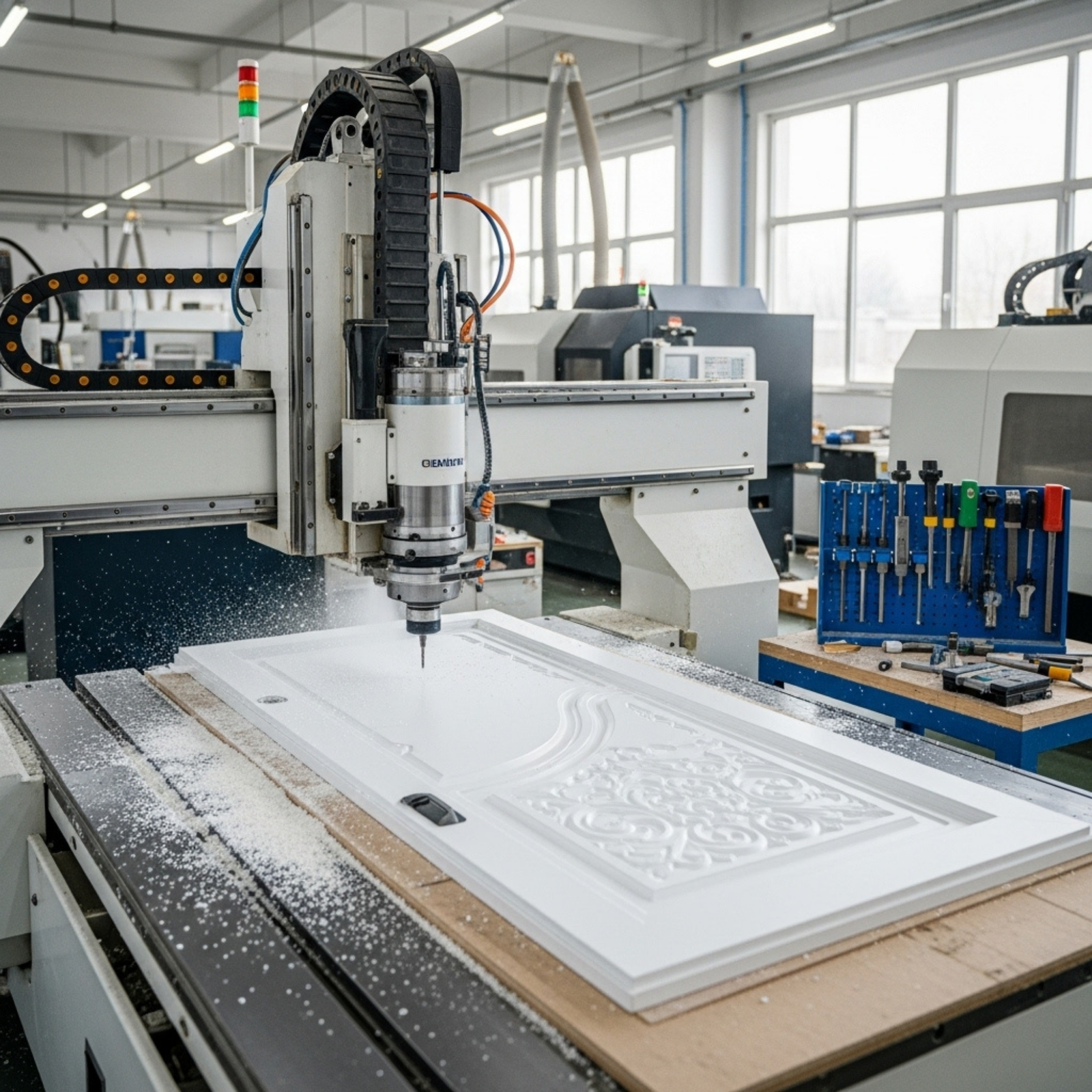
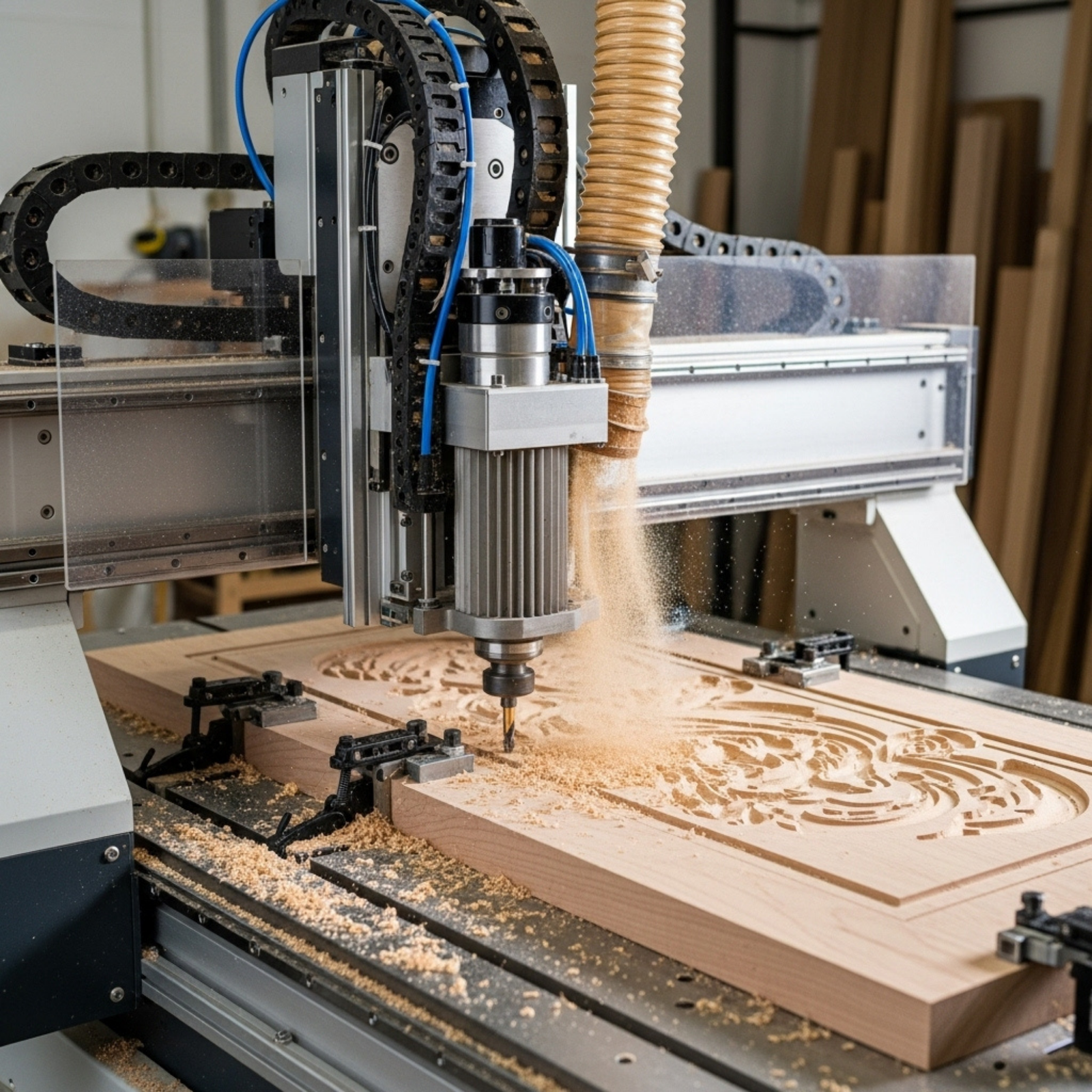
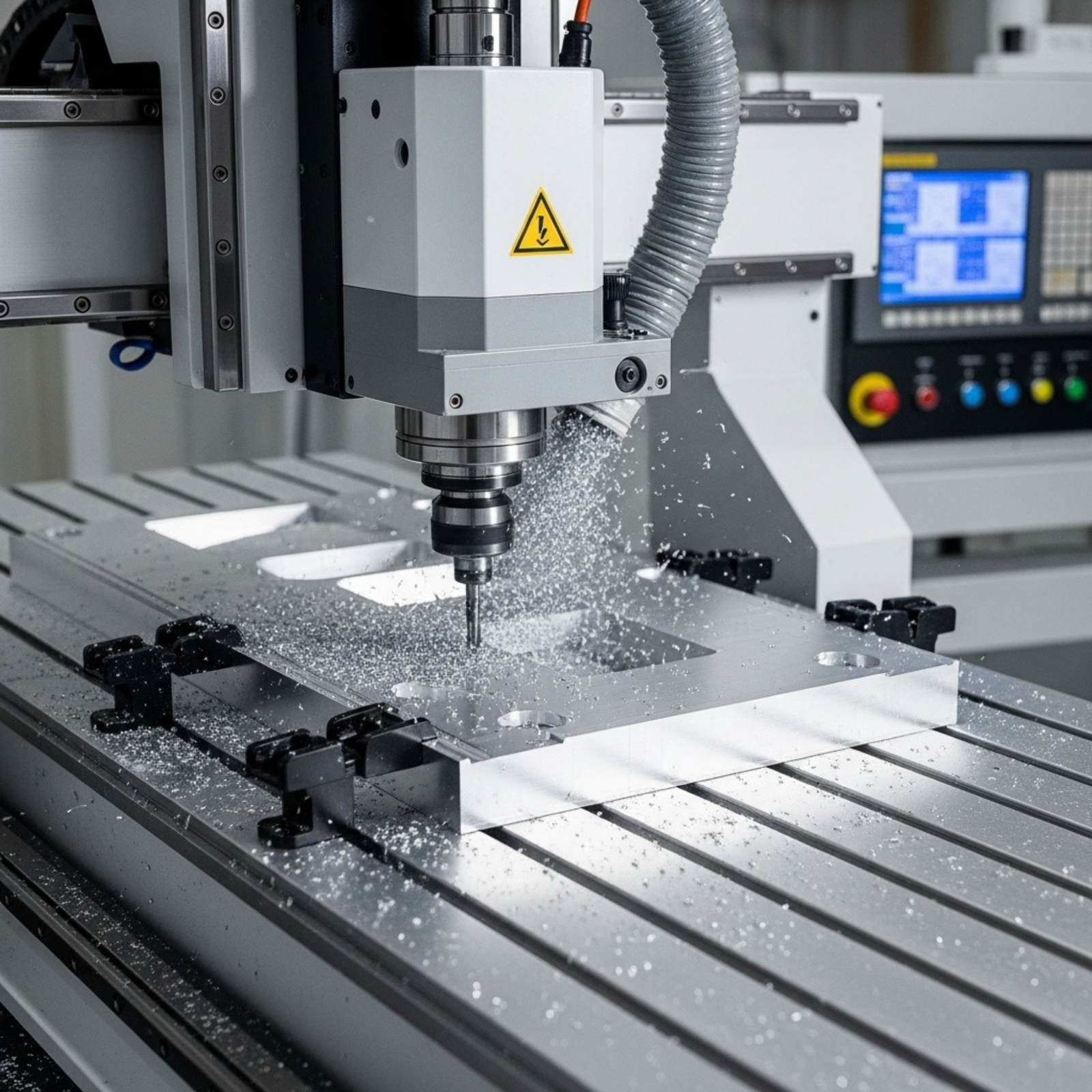
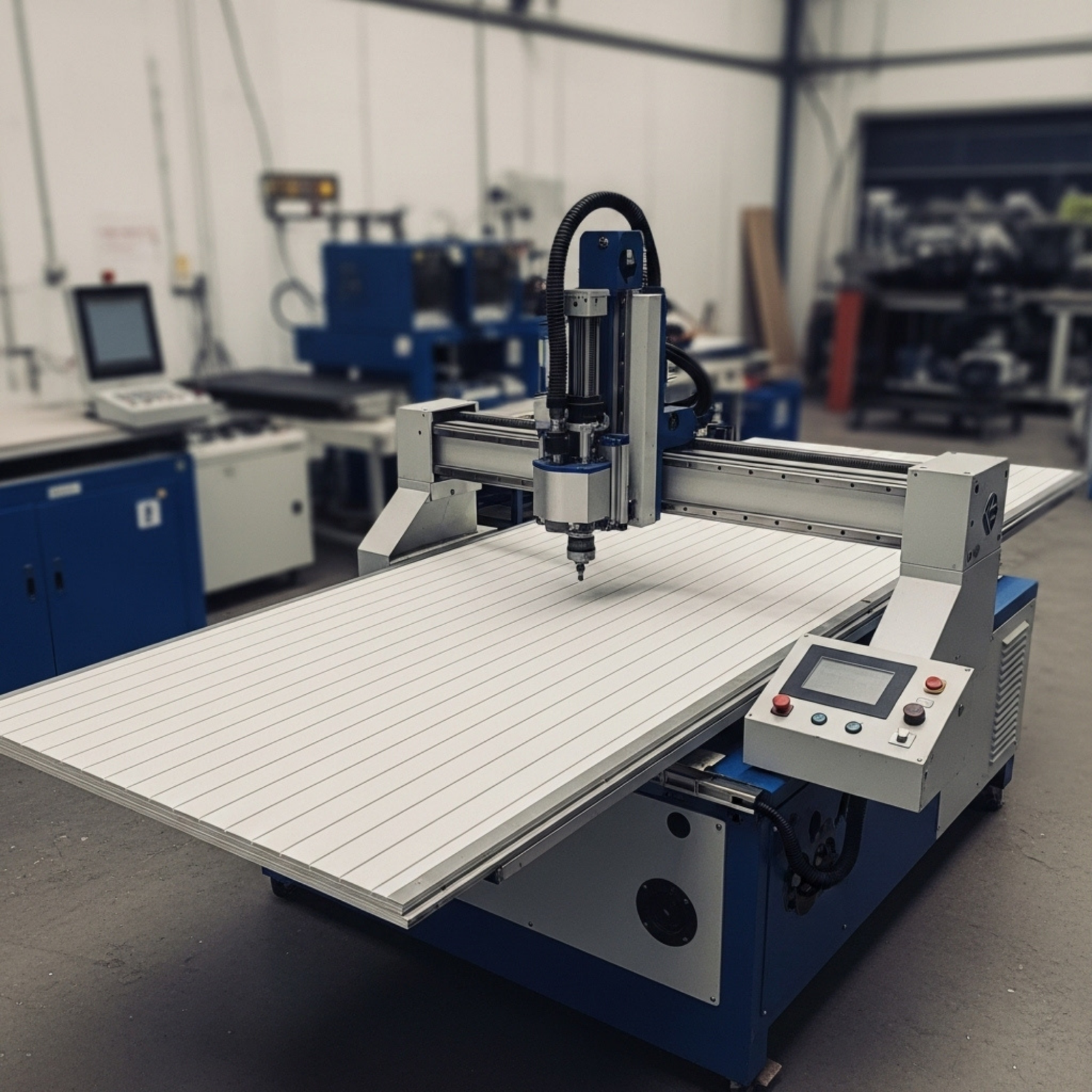

For any Canadian manufacturing business, purchasing your first Computer Numerical Control (CNC) machine is a transformative milestone. It signals a shift from manual labour to automation, precision, and scalability. Whether you are a woodworker in British Columbia looking to automate cabinetry or a metal fabricator in Ontario needing high-speed laser cutting, a CNC machine is a massive investment in your future.
However, the path to automation is paved with potential financial potholes—especially in the unique Canadian market. Importing a machine that looks cheap on a website can quickly turn into a logistical nightmare involving electrical transformers, customs seizures, or zero technical support.
To ensure your investment drives profit rather than headaches, here are the 5 most costly mistakes Canadian businesses make when buying their first CNC machine, and how you can avoid them.
1. Overlooking Canadian Electrical Standards (The 600V Trap)
The most common “surprise” for Canadian buyers—especially those importing machines from the USA or overseas—is our unique industrial power grid.
While the United States typically runs on 480V 3-phase power, and Europe often uses 380V or 400V, the standard for industrial power in Canada is 600V (often referred to as 575V) 3-phase. If you buy a standard international machine, you cannot simply plug it into a Canadian industrial outlet.
The Mistake: Buying a machine rated for 220V or 480V without budgeting for a step-down transformer or a phase converter.
The Fix:
- Check the Voltage: Always ask the manufacturer if they offer a “Canadian Voltage” option (575V/600V).
- CSA Approval: In Canada, electrical equipment must be approved by the Canadian Standards Association (CSA) or equivalent. If your machine arrives without a recognized certification sticker (like CSA, cUL, or ETL), provincial electrical safety authorities (such as the ESA in Ontario) may legally forbid you from powering it up until it passes a “Field Evaluation” (SPE-1000). This inspection can cost thousands of dollars and delay production by weeks.
Pro Tip: When browsing for a CNC machine, specifically ask the supplier if the electrical cabinet is built to CSA standards to avoid costly field inspections later.
2. Ignoring the “Landed Cost” (Duties, Brokerage, and Freight)
It is easy to get excited by a sticker price you see online, but the “FOB” (Free on Board) price at the factory dock is rarely what you pay to get the machine on your shop floor.
The Mistake: Budgeting only for the machine’s price and forgetting the “landed” costs associated with crossing the Canadian border.
The Fix: Calculate the total cost of ownership before signing the purchase order.
- Currency Conversion: Ensure you calculate the price in CAD, keeping a buffer for exchange rate fluctuations if paying in USD or Euro.
- Customs & Duties: While the USMCA (CUSMA) agreement allows duty-free import on many US/Mexico-made goods, machines made in Asia or Europe may be subject to tariffs.
- Brokerage Fees: You will need a customs broker to clear the shipment.
- GST/HST: Don’t forget that the 5% GST (and provincial portions where applicable) is payable upon importation, often before the machine is released from the border.
You can verify current tariff rates and tax obligations through the Canada Border Services Agency (CBSA).
3. Underestimating the Value of Local Support
When your machine crashes at 2:00 PM on a Tuesday and you have a deadline to meet, the time zone of your technical support matters. If you bought a bargain machine directly from an overseas factory, their support team might be asleep when you are working, or there may be a significant language barrier.
The Mistake: Prioritizing the lowest initial purchase price over the availability of local service and spare parts.
The Fix: Partner with a supplier that has a Canadian presence. You need a vendor who stocks spare parts (spindles, laser sources, controllers) in Canada. Waiting four weeks for a replacement part to ship from overseas can cost you more in lost production than you saved on the machine purchase.
For example, companies like Xpro CNC are based in Canada (Bracebridge, Ontario), ensuring that support, parts, and training are accessible within your time zone.
4. Buying the Wrong Machine for the Application
First-time buyers often fall into two traps: buying a machine that is too weak for their needs (under-buying) or buying a complex machine they don’t know how to use (over-buying).
The Mistake:
- Under-buying: Buying a light-duty CNC router for wood and trying to cut thick aluminum sheets all day. The lack of rigidity will lead to poor edge quality and premature machine failure.
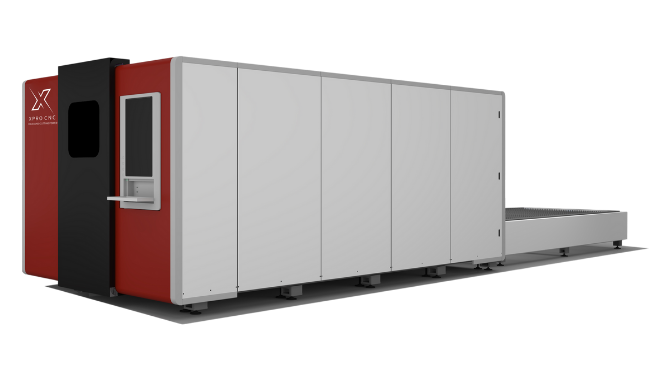
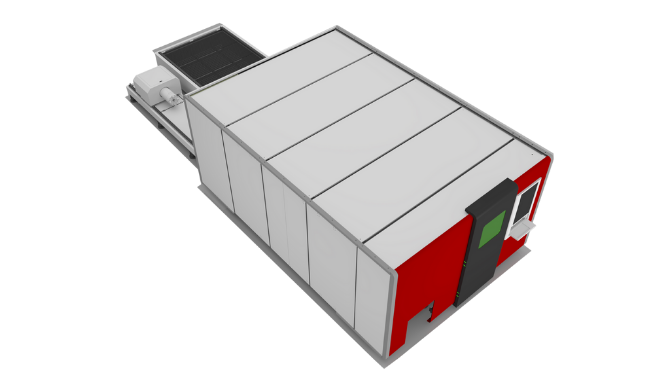
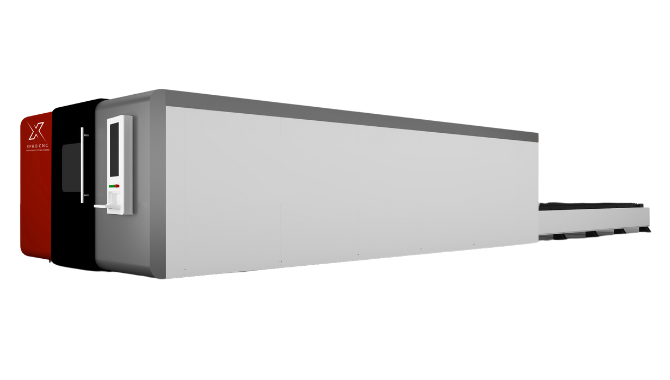
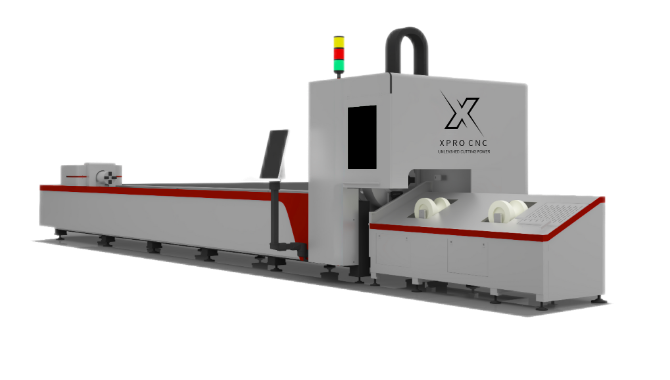
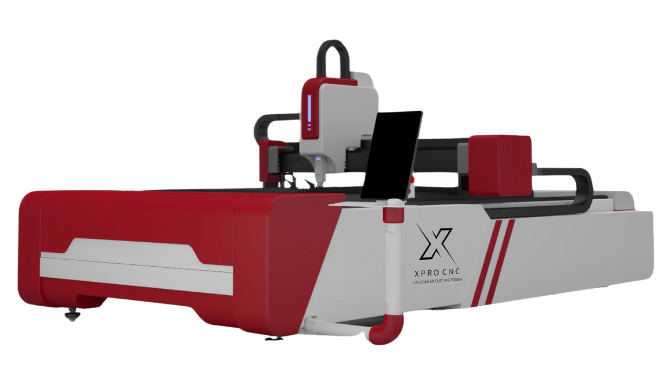
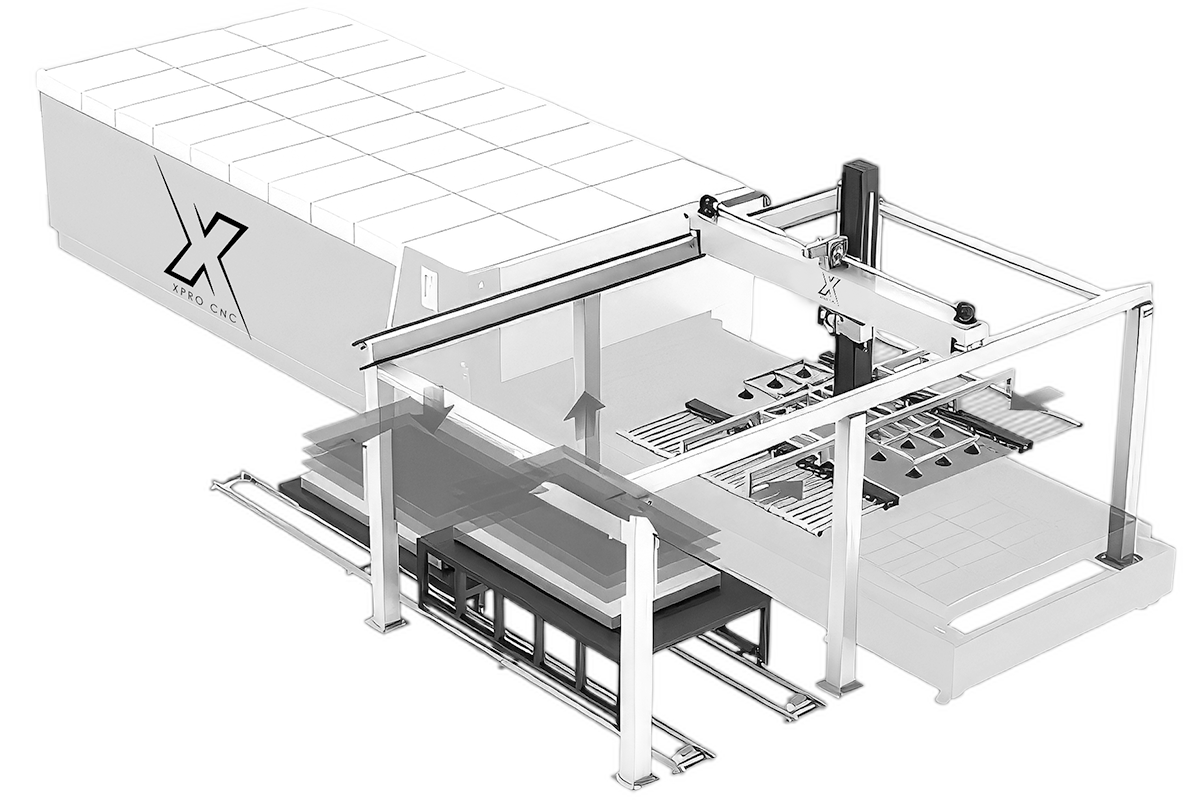
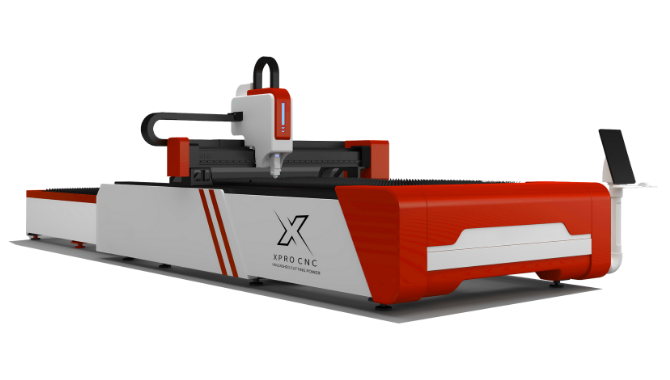
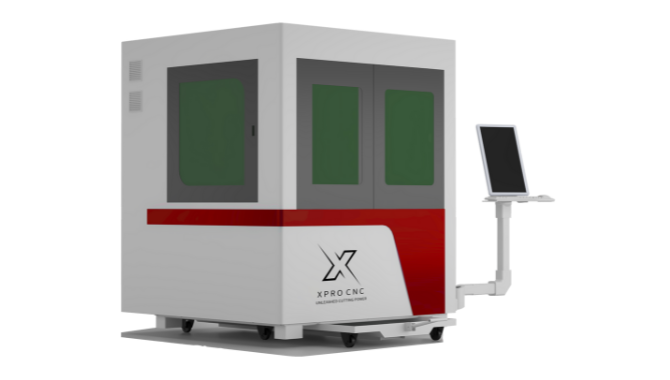
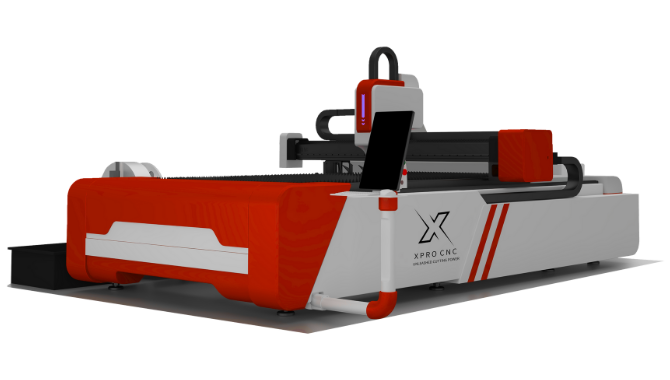
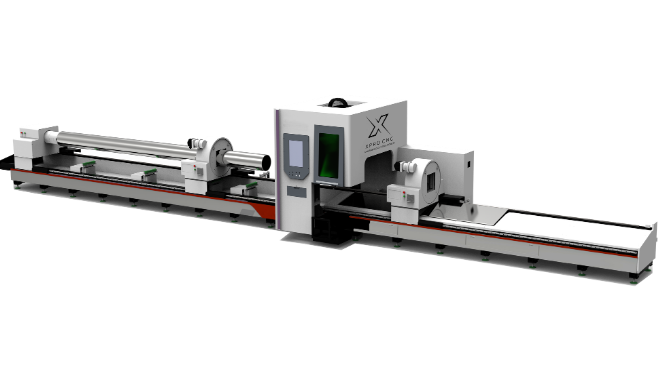
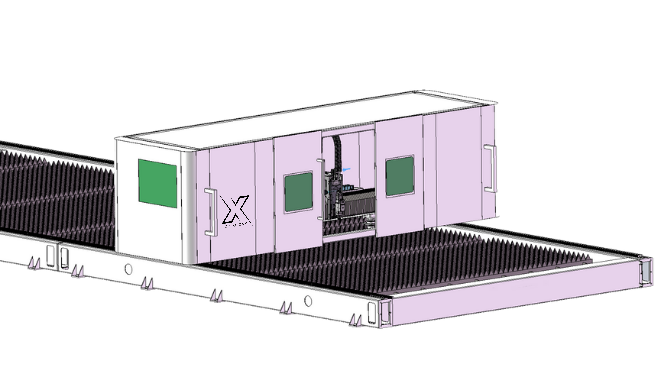
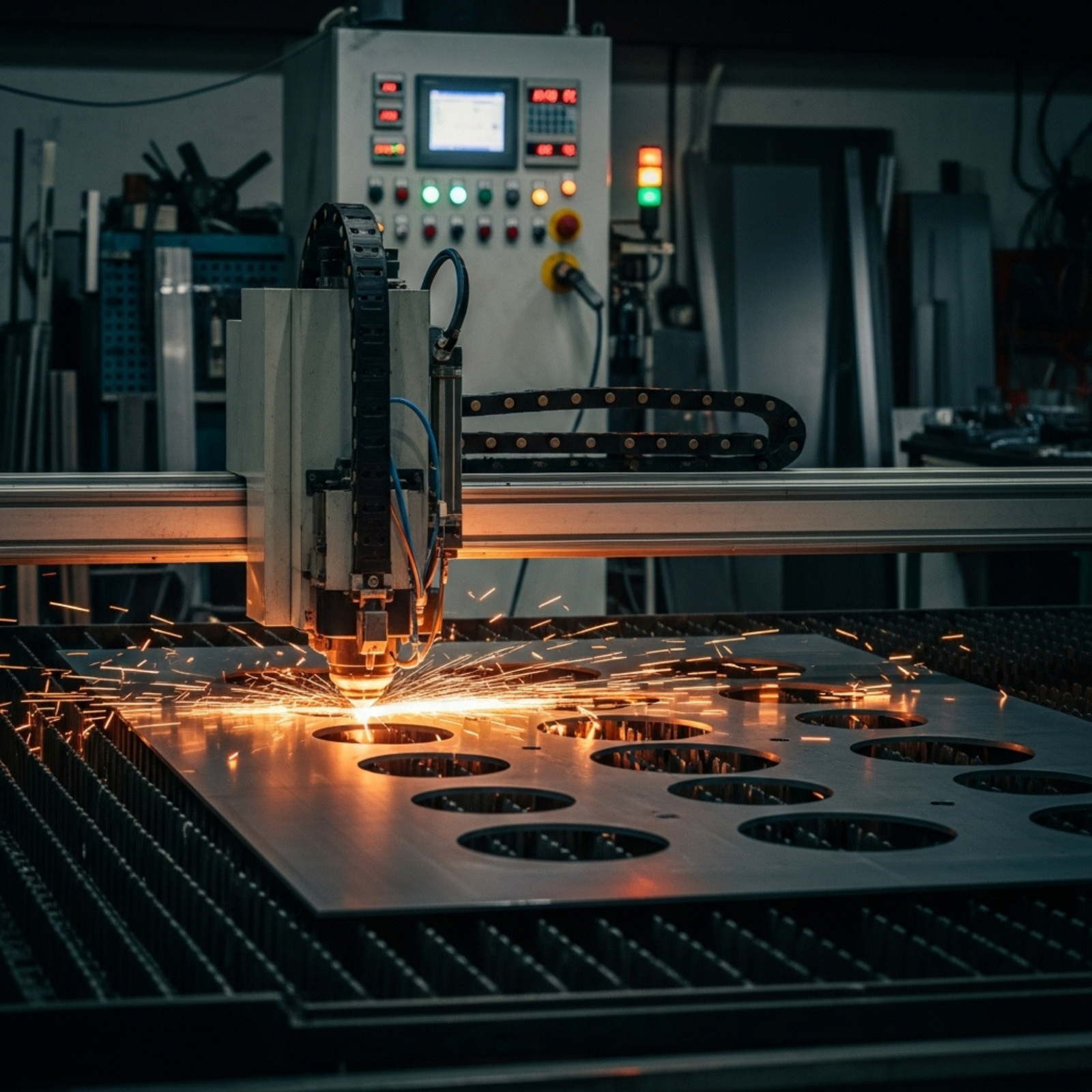
- Over-buying: Purchasing a high-power 12kW fiber laser when a 3kW sheet fiber laser cutting machine would handle your 1/4″ steel plates perfectly fine.
The Fix: Define your primary application before you shop.
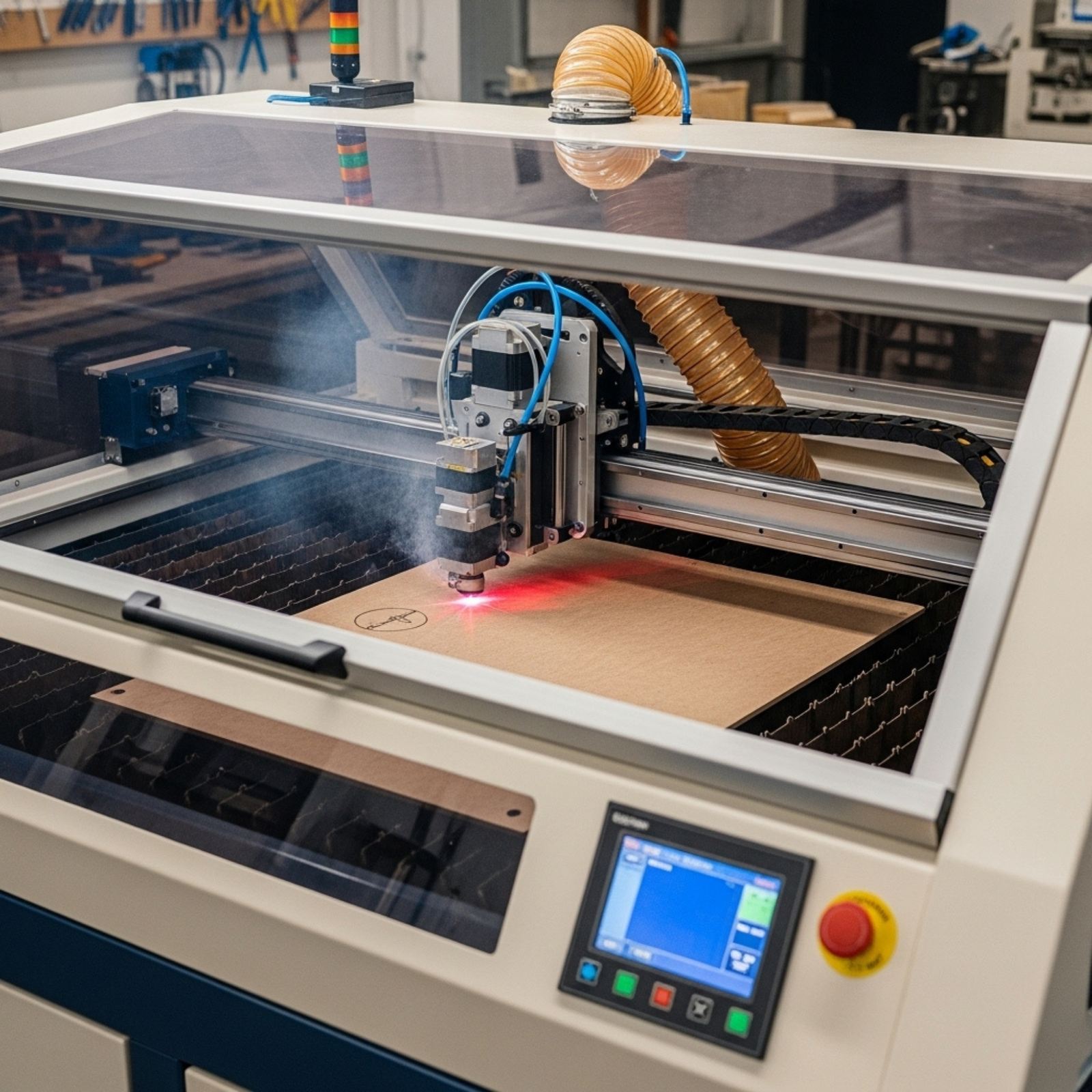
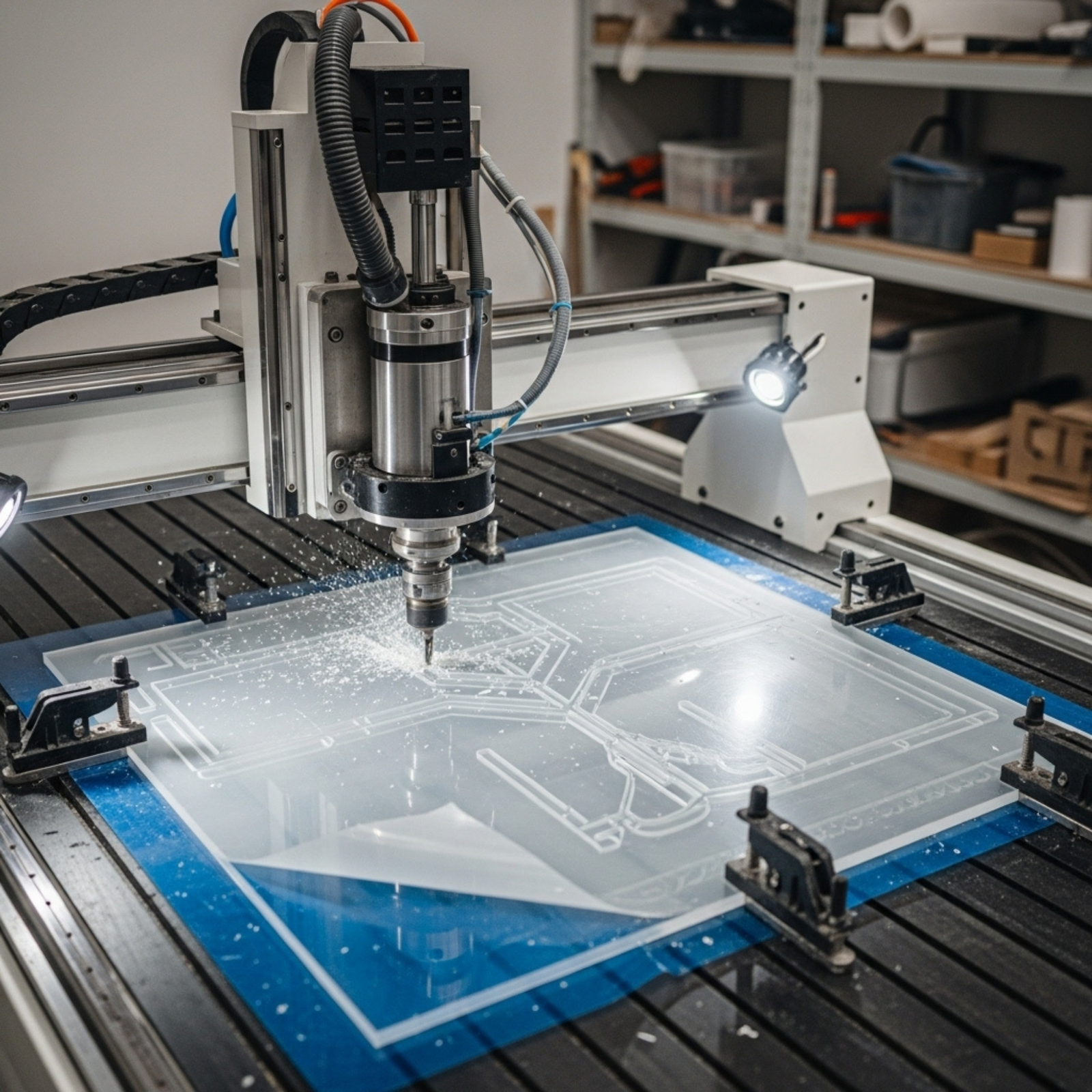
- For Sign Makers: If you are cutting ACM panels and acrylic, look for a router with a vacuum table and a vision system.
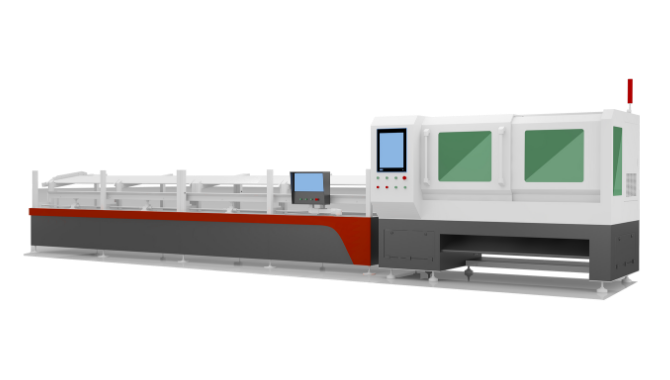
- For Metal Fab: If you need speed on thin metals, a fiber laser cutting machine is vastly superior to a plasma cutter or CNC mill.
- For Cabinetry: Ensure your machine has an Automatic Tool Changer (ATC) to switch between cutting, drilling, and engraving bits seamlessly.
5. Neglecting Software and Operator Training
The machine is only as smart as the person running it. A common tragedy in Canadian shops is seeing a $100,000 piece of equipment sitting idle because the operator is intimidated by the software.
The Mistake: Assuming your existing staff can “figure it out” via YouTube tutorials.
The Fix:
- Budget for Training: Ensure your purchase contract includes on-site installation and training days.
- Software Compatibility: Verify that the machine’s controller (e.g., Fanuc, Siemens, Syntec) works with your CAD/CAM software (e.g., Fusion 360, Mastercam, Vectric).
- Leverage Grants: The Canadian government often subsidizes training and technology adoption. Programs like the Canada Digital Adoption Program (CDAP) or regional manufacturing grants can sometimes offset the cost of training your staff on new digital equipment.
Summary: Your Checklist for Success
Buying your first CNC machine is an exciting step toward modernizing your business. To ensure success:
- Verify Power: Ensure the machine handles Canadian 600V power or budget for a transformer.
- Check Certification: Demand CSA/cUL electrical approval.
- Calculate Landed Cost: Include duties, freight, and brokerage in your budget.
- Go Local: Prioritize vendors with Canadian support and parts inventory.
- Plan for Training: Invest in your team’s skills to maximize the machine’s ROI.
By avoiding these five mistakes, you can ensure your new equipment becomes a profit generator from day one, rather than an expensive paperweight.
Disclaimer: The information provided in this article is for general informational purposes only and does not constitute legal, financial, or engineering advice. Electrical codes, tax laws, and government grants are subject to change. Always consult with certified electricians, customs brokers, and financial advisors before making significant business investments.