

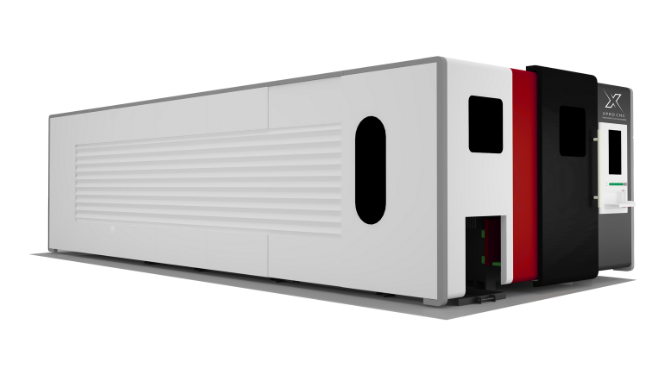
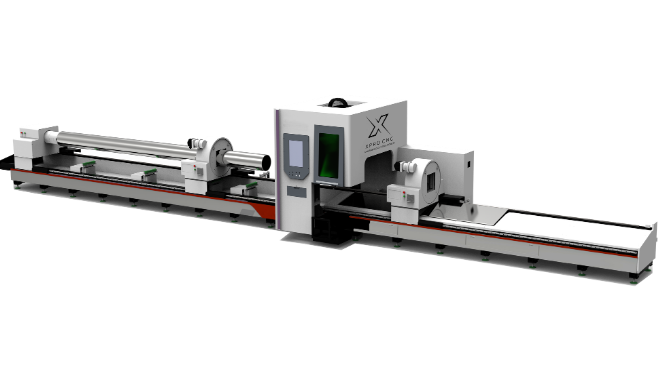
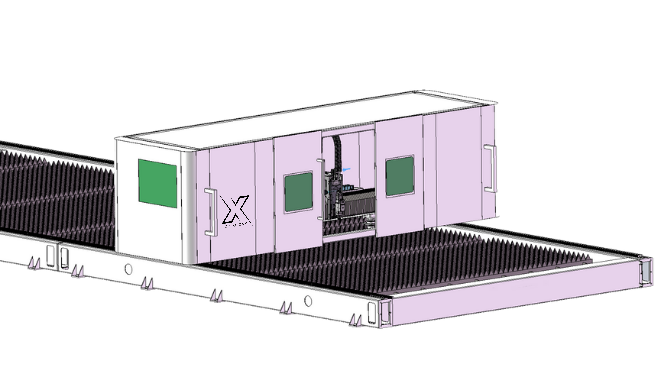
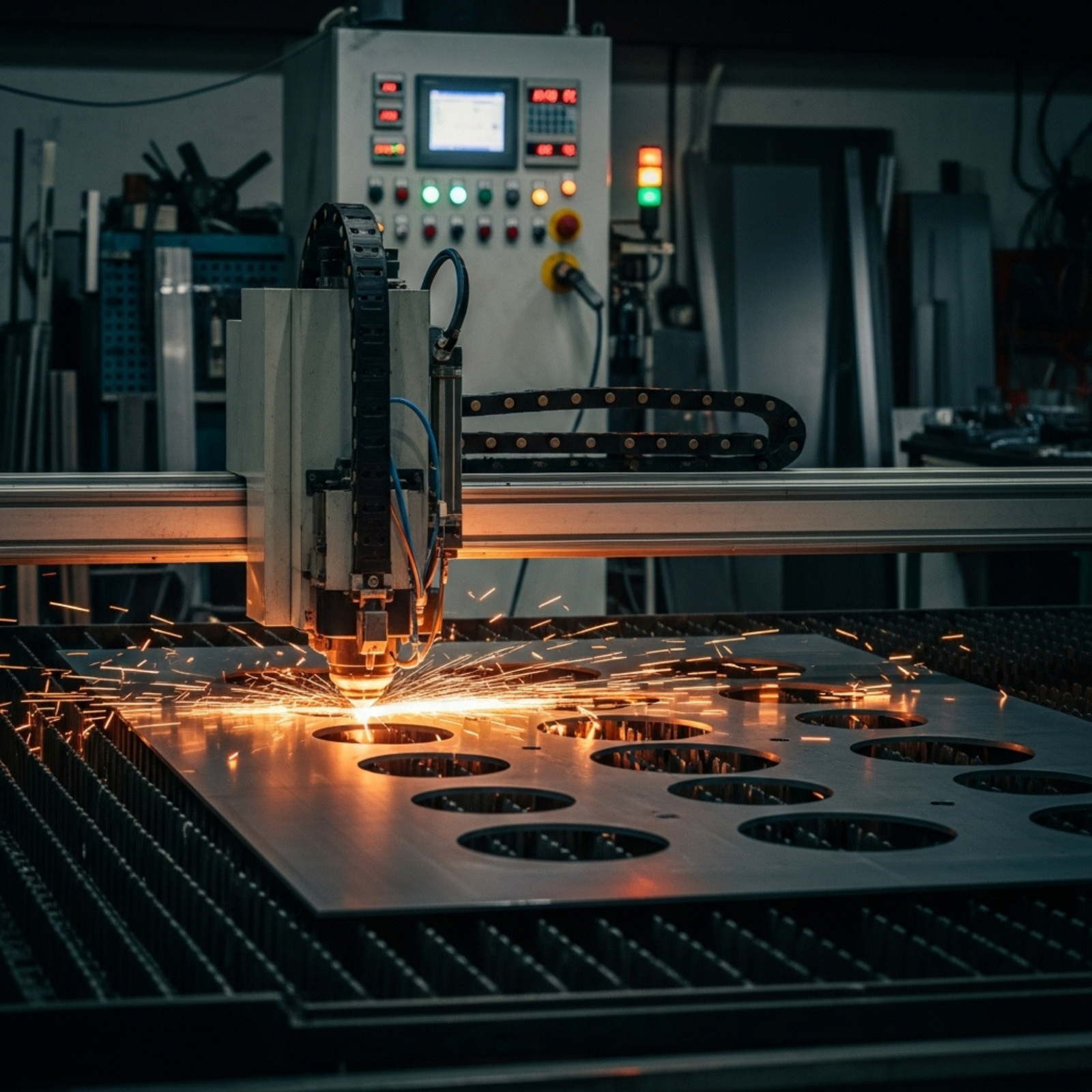

The Canadian manufacturing landscape is undergoing a profound transformation. As we approach 2026, the sector is moving beyond simple recovery and into an era of strategic innovation. For shop owners, engineers, and procurement managers, understanding the future of metal fabrication in Canada is no longer just about keeping up—it is about staying competitive in a global market that demands speed, precision, and sustainability.
From the industrial hubs of Ontario and Quebec to the energy sectors in the West, Computer Numerical Control (CNC) technology remains the backbone of this evolution. However, the machines of 2026 are not the machines of the past. They are smarter, faster, and more integrated than ever before.
Here are the top CNC trends that will define the Canadian metal fabrication industry in 2026.
1. The Rise of “Hyperautomation” and AI Integration
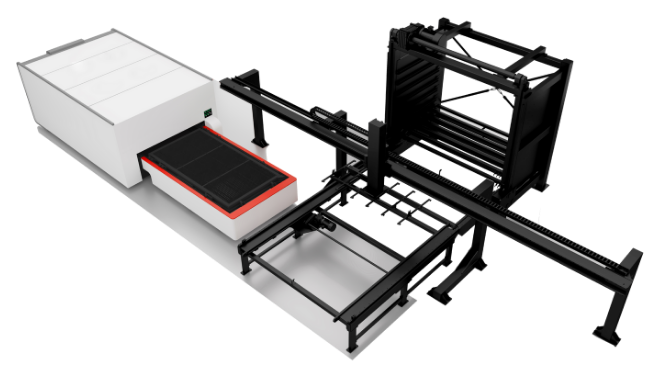
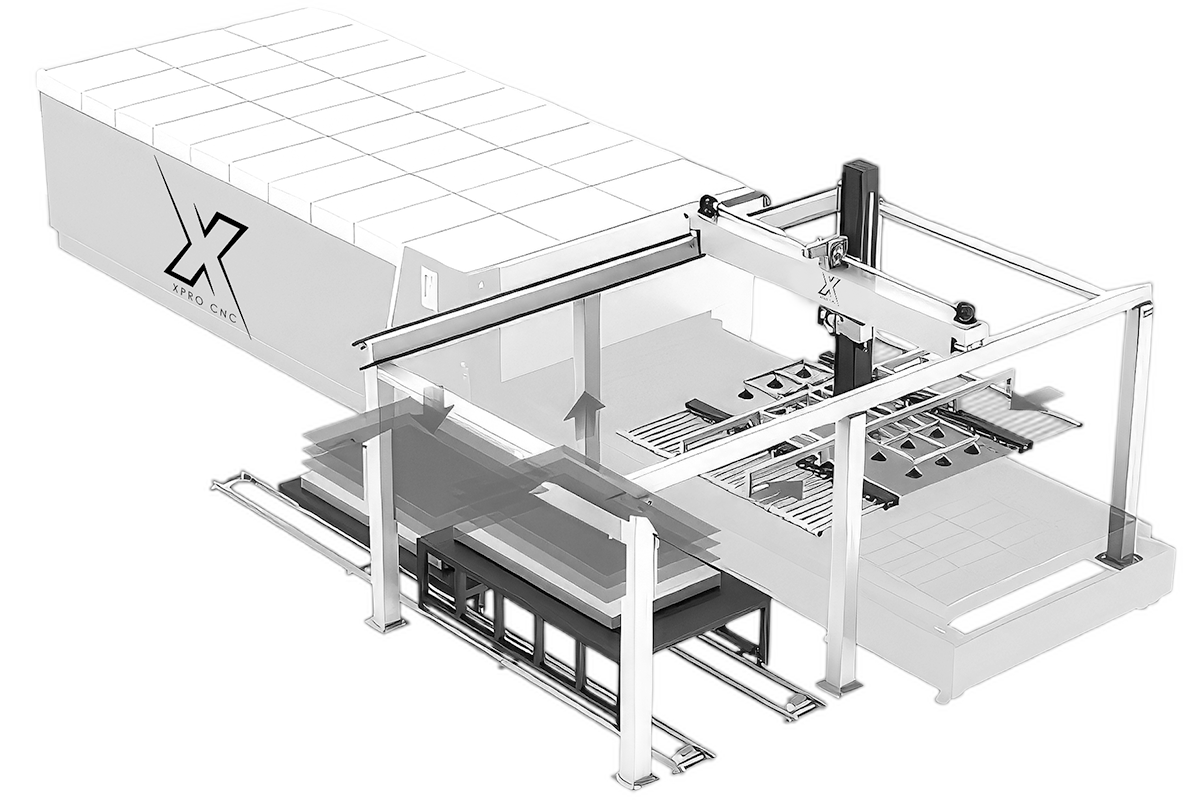
Artificial Intelligence (AI) has graduated from a buzzword to a critical operational asset. By 2026, Canadian machine shops will increasingly adopt “hyperautomation”—a state where everything that can be automated, is automated.
This goes beyond simple robotic arms loading parts. We are seeing the integration of AI-driven predictive maintenance and decision-making systems. Modern CNC machines are equipped with sensors that monitor spindle load, vibration, and temperature in real-time. AI algorithms analyze this data to predict tool wear or potential failures before they happen, preventing costly downtime.
For businesses seeking CNC machining services, this means higher reliability and faster turnaround times. Software is now capable of optimizing tool paths automatically to reduce waste and cycle time, ensuring that custom parts are produced with unprecedented efficiency.
2. Bridging the Skilled Labour Gap with Cobots
It is an indisputable fact that Canada is facing a significant skilled trades shortage. With a large portion of the seasoned workforce retiring, finding experienced machinists has become a major challenge for the industry.
In 2026, the solution is not just hiring more people, but empowering the existing workforce with Collaborative Robots, or “Cobots.” Unlike traditional industrial robots that must be caged off for safety, cobots are designed to work alongside humans. They handle repetitive, physically draining tasks—such as loading raw materials or deburring finished parts—allowing skilled human machinists to focus on complex programming and quality assurance.
This trend is vital for metal fabrication in Canada, as it allows shops to increase capacity without needing to double their headcount immediately.
3. Sustainability and Green Manufacturing
Sustainability is no longer optional; it is a business imperative driven by both government policy and consumer demand. Canada’s commitment to Net-Zero emissions is pushing the manufacturing sector toward greener practices.
In the realm of CNC machining, this translates to several key shifts expected to mature by 2026:
- Energy Efficiency: New 5-axis machines are being designed with “sleep modes” and regenerative braking systems that recover energy during deceleration.
- Circular Economy: There is a renewed focus on recycling high-value metal scraps, such as titanium and aluminum, directly within the supply chain.
- Minimum Quantity Lubrication (MQL): Reducing the use of coolant fluids helps minimize chemical waste and disposal costs.
Shops that adopt these “green” technologies are not only compliant with Canadian environmental standards but are also more attractive to clients looking to reduce their own carbon footprint.
4. The Dominance of 5-Axis Machining
While 3-axis machines have been the standard for decades, 2026 will see 5-axis machining become the new baseline for complex metal fabrication in Canada.
5-axis machines allow the cutting tool to approach the workpiece from virtually any direction. This capability means that complex parts can be machined in a single setup, rather than requiring the operator to manually reposition the part multiple times. The result is a dramatic reduction in human error and a significant increase in precision.
For industries like aerospace and medical device manufacturing—sectors where Canada is a global leader—this precision is non-negotiable. Companies like xprocnc.com are pivotal in providing access to these advanced capabilities, ensuring that complex designs can be brought to life accurately.
5. Reshoring and Supply Chain Resilience
The global disruptions of the early 2020s taught Canadian manufacturers a hard lesson about the fragility of international supply chains. As we head into 2026, the trend of “reshoring” or “nearshoring” continues to gain momentum.
Canadian companies are increasingly looking to source their custom parts domestically rather than relying on overseas suppliers. This shift guarantees better quality control, shorter lead times, and protection against geopolitical instability. This local-first approach is strengthening the domestic ecosystem for metal fabrication in Canada, fostering tighter collaboration between designers, engineers, and machinists.
6. Digital Twins and Simulation
Before a single chip of metal is cut, the part will likely exist as a “Digital Twin.” Advanced simulation software allows machinists to run a virtual production cycle to detect collisions, errors, or inefficiencies.
By 2026, this technology will be accessible even to small and medium-sized enterprises (SMEs). This “first-time-right” approach is essential for reducing material waste—a critical factor when working with expensive alloys. It allows for rapid prototyping and ensures that the final product meets the exact specifications required.
Conclusion
The future of metal fabrication in Canada is bright, high-tech, and incredibly efficient. The trends of 2026 highlight a sector that is adapting to challenges through innovation. By embracing AI, automation, and sustainable practices, Canadian machine shops are positioning themselves to deliver world-class quality.
For businesses looking to leverage these advancements, staying informed and partnering with forward-thinking providers is key. Whether you need complex aerospace components or rapid prototyping, platforms like xprocnc.com connect you with the cutting-edge capabilities required to succeed in this evolving landscape.
As we move forward, the fusion of human expertise and advanced technology will continue to define the standard of excellence in Canadian manufacturing.
Important Information
The information provided in this article is for informational purposes only and is based on industry trends and forecasts available as of late 2025. While every effort has been made to ensure accuracy, economic conditions and technological advancements can change rapidly. Readers are advised to consult with industry experts or professional engineers before making significant investment or operational decisions. This content should not be interpreted as legal or financial advice.
References & Further Reading: