


The manufacturing landscape in Canada is shifting rapidly. As we move further into 2025, shop owners from British Columbia to Nova Scotia are facing a unique set of challenges: rising industrial electricity rates, new tariffs on raw materials, and an urgent push toward automation. For metal fabricators and manufacturers, the choice of cutting technology has never been more financially critical.
If you are looking to invest in a new cutting system this year, you are likely debating the two heavyweights of the industry: Fiber Laser and CO₂ Laser.
Ten years ago, this was a debate about “new tech” vs. “proven tech.” Today, in 2025, it is a debate about efficiency vs. specialization. This guide breaks down exactly which technology is best for your Canadian business, considering local energy costs, material trends, and the latest government incentives.
The 2025 Canadian Context: Why Efficiency is King
Before diving into the machinery, we must look at the bottom line. In 2025, Canadian manufacturers are navigating a complex economic environment.
- Energy Costs: While Quebec continues to offer some of the lowest industrial electricity rates in North America (approx. 5-6 cents/kWh), provinces like Ontario and Alberta have seen fluctuations that make energy-hungry machines a liability.
- Material Tariffs: With 2025 bringing tighter regulations and tariffs on imported steel and aluminum, the cost of raw material has spiked. You can no longer afford wide kerfs (cut widths) or large heat-affected zones that waste expensive metal.
- Labour Shortages: The skilled trades gap remains a reality. Machines that require less manual maintenance and faster setup times are no longer a luxury—they are a necessity for survival.
Fiber Laser: The Speed and Efficiency Champion
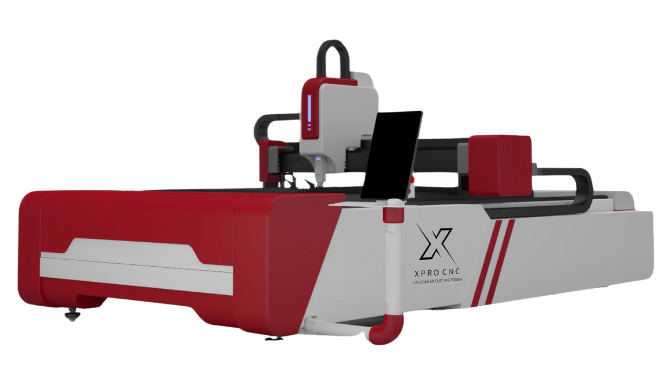
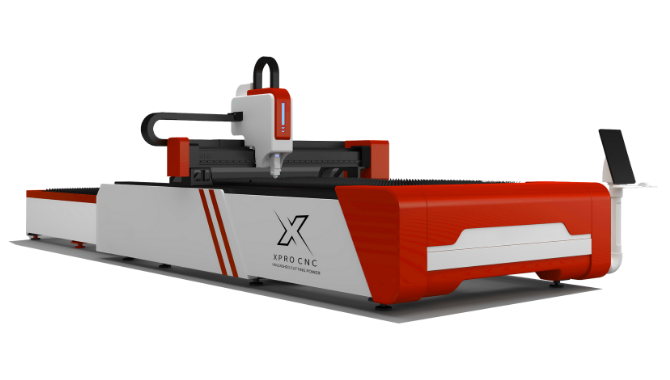
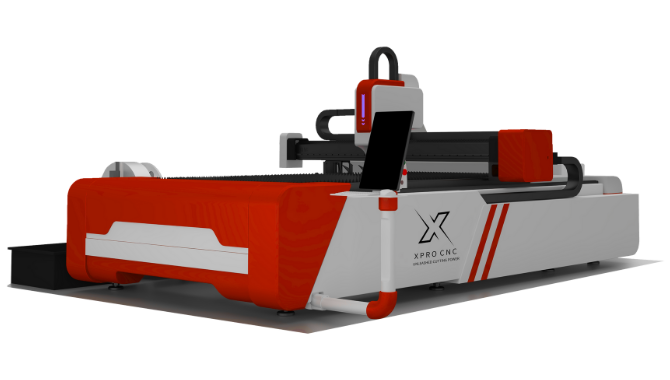
Fiber laser technology has matured into the dominant force for metal cutting in 2025. Unlike CO₂ lasers, which use a gas mixture to create the beam, fiber lasers generate the beam using a bank of diodes and channel it through a fiber optic cable.
Pros
- Unmatched Speed on Thin Metal: For stainless steel and aluminum under 6mm (1/4 inch), a fiber laser is often 2-3 times faster than a CO₂ equivalent.
- Energy Efficiency: This is the big seller for 2025. Fiber lasers are up to 500% more energy-efficient than CO₂ lasers. They convert about 40-50% of their power into the laser beam, compared to roughly 5-10% for CO₂.
- Zero Maintenance Optics: There are no mirrors to align and no laser gas to replenish. The solid-state design means less downtime and lower operating costs.
- Reflective Metals: Fiber lasers cut copper, brass, and aluminum with ease. These materials often damage CO₂ optics due to back-reflection.
Cons
- Upfront Cost: High-power fiber sources (6kW – 12kW+) still carry a premium price tag, though the gap is narrowing.
- Thick Plate Edge Quality: While vastly improved, fiber lasers can sometimes leave a slightly rougher edge on very thick carbon steel (>20mm) compared to a perfectly tuned CO₂ machine, though 2025 advancements have largely minimized this issue.Pro Tip: If your shop primarily processes sheet metal, enclosures, or HVAC components, the speed of fiber is unbeatable.
CO₂ Laser: The Versatile Specialist
The CO₂ laser is the veteran of the industry. It uses a gas mixture (Carbon Dioxide, Nitrogen, Helium) excited by electricity to create the beam. While it has lost market share to fiber for metal cutting, it remains indispensable for specific niches.
Pros
- Material Versatility: This is the CO₂ laser’s “moat.” It can cut non-metals like acrylic, wood, leather, fabric, and plastics. Fiber lasers generally cannot cut these materials (the wavelength passes right through them).
- Edge Quality on Thick Plate: For plate steel thicker than 25mm (1 inch), a CO₂ laser can produce a smoother, “glass-like” edge finish that requires less secondary deburring.
Cons
- High Maintenance: CO₂ lasers rely on complex systems of mirrors, bellows, and gas mixes. They require regular beam alignment and maintenance, which equals more downtime.
- Operating Costs: They consume significantly more electricity and require consumable gases, driving up the cost-per-part.
Head-to-Head Comparison Table (2025 Standards)
FeatureFiber LaserCO₂ LaserPrimary ApplicationSheet Metal, Reflective Metals (Brass, Copper)Non-Metals (Wood, Acrylic) & Heavy PlateEnergy EfficiencyHigh (40-50% wall-plug efficiency)Low (5-10% wall-plug efficiency)MaintenanceVery Low (Solid state, no mirrors)High (Mirrors, gas, turbines)Cutting Speed (<6mm)Blistering FastModerateOperating CostLowHighWavelength~1.07 microns (absorbed by metal)~10.6 microns (absorbed by organics)
The Financial Edge: Canadian Government Incentives in 2025
This is the most important section for your CFO. In 2025, the Government of Canada is aggressively incentivizing “Clean Technology.”
Because fiber lasers are significantly more energy-efficient than older hydraulic or CO₂ systems, they often qualify for the Clean Technology Manufacturing Investment Tax Credit (CTM-ITC).
- What it is: A refundable tax credit of up to 30% of the capital cost of eligible machinery used for manufacturing zero-emission technologies or processing critical minerals.
- Why it matters: If your manufacturing supports the clean tech supply chain (e.g., parts for EVs, solar racking, wind turbines), your new fiber laser could come with a massive government discount.
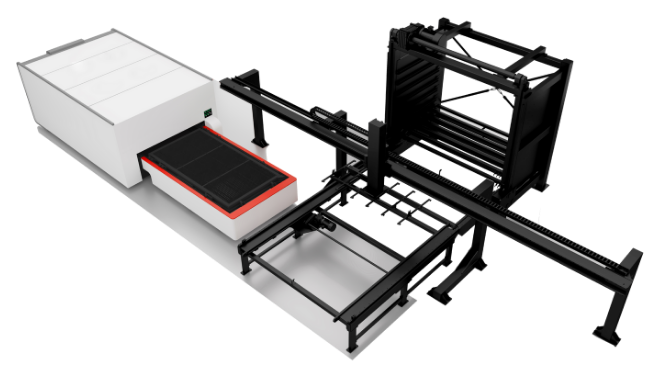
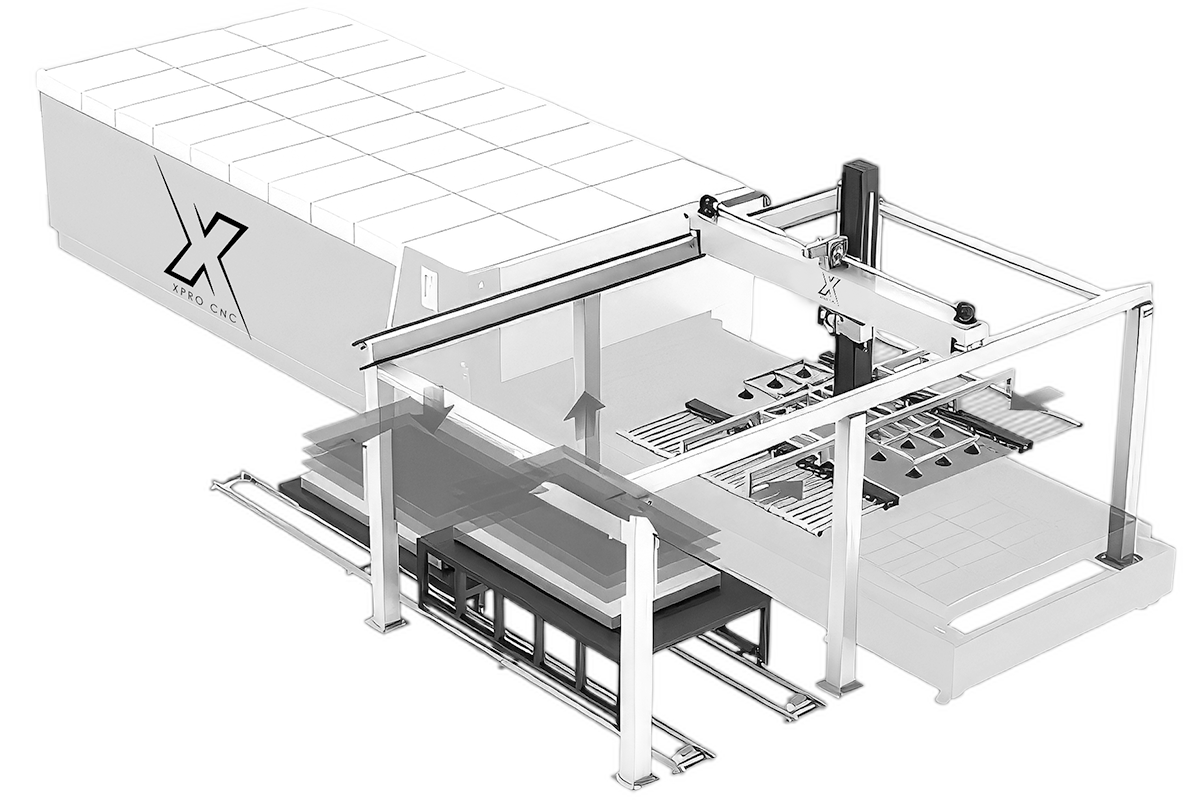
Additionally, while the grant portion of the Canada Digital Adoption Program (CDAP) has evolved, advisory services and interest-free loans (up to $100,000) through BDC are still available to help digitize your shop floor. Integrating a modern fiber laser with automated loading software fits perfectly into this digital transformation strategy.
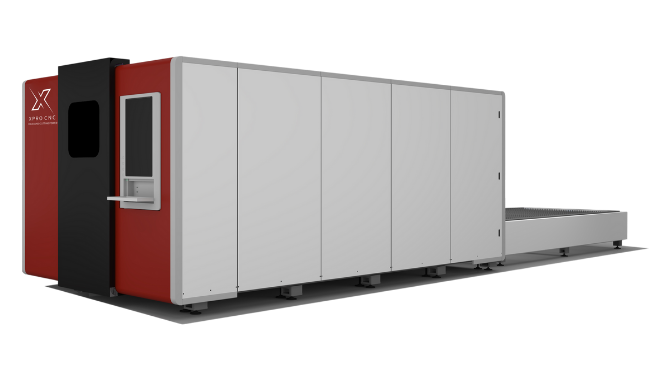
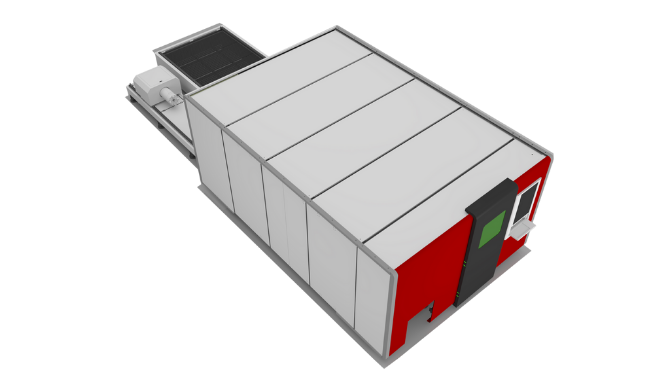
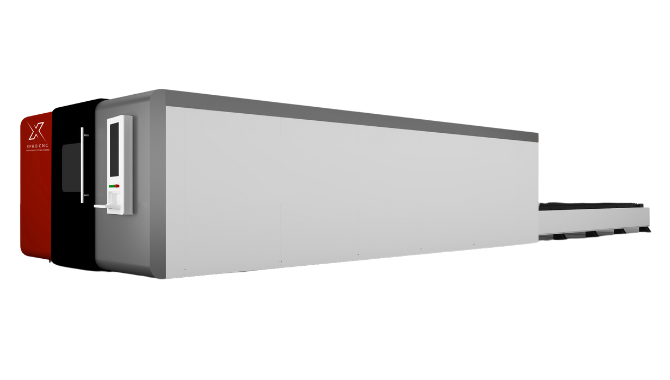
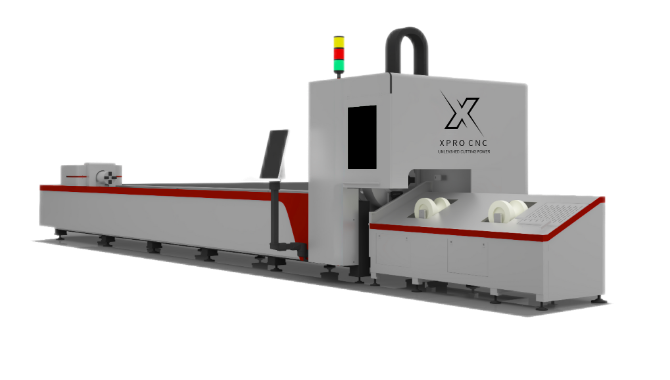
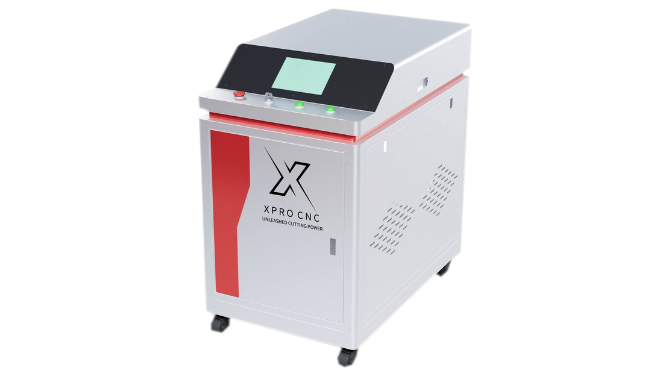
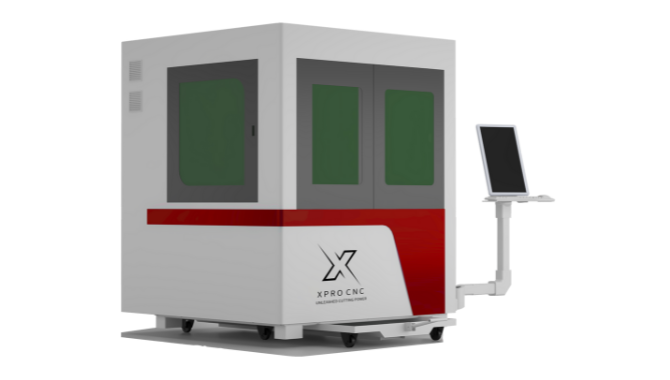
For high-performance cutting solutions that meet these modern standards, manufacturers often look to industry leaders. You can explore advanced options at xprocnc.com to see how modern CNC technology aligns with these efficiency goals.
The Verdict: Which Should You Choose?
Choose a Fiber Laser if:
- You primarily cut metal (steel, stainless, aluminum, brass, copper).
- You want to reduce your monthly hydro bill and operating costs.
- You need high-volume production speed for materials under 12mm.
- You want to minimize maintenance downtime.
Choose a CO₂ Laser if: - You are a job shop that needs to cut wood, acrylic, or plastic signs alongside metal.
- Your primary business is cutting very thick plate (>25mm) where edge finish is critical, and speed is secondary.
Conclusion
In 2025, for 90% of Canadian metal fabricators, Fiber Laser is the logical choice. The operational savings, combined with the speed and the potential for the Clean Tech Investment Tax Credit, make the ROI undeniable. CO₂ technology remains relevant, but largely for non-metal applications or specialized heavy-plate uses.
As you plan your capital expenditures for the year, look beyond the sticker price. Calculate the cost-per-part, factor in the energy savings, and investigate your eligibility for federal grants. The future of Canadian manufacturing is efficient, fast, and precise—make sure your equipment can keep up.
Disclaimer
The information provided in this article is for informational purposes only and does not constitute financial, legal, or technical advice. Government programs, tax credits (such as the CTM-ITC), and eligibility criteria are subject to change and interpretation. Canadian manufacturers should consult with a qualified tax professional, grant advisor, or engineering expert before making significant capital investments.