


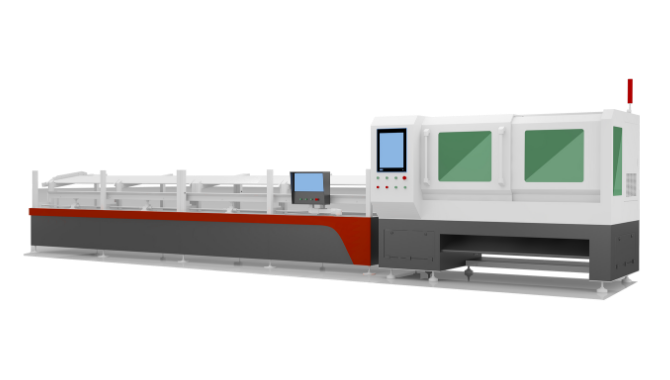
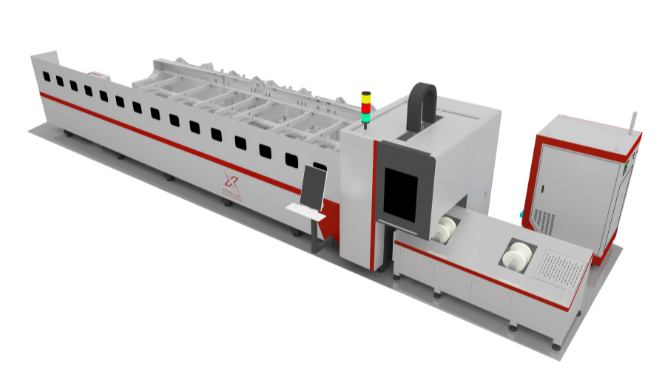
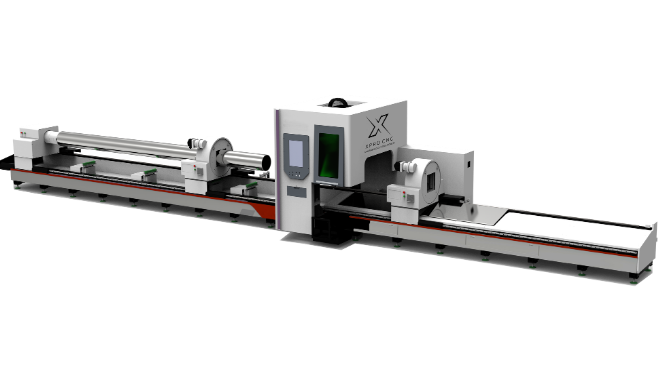

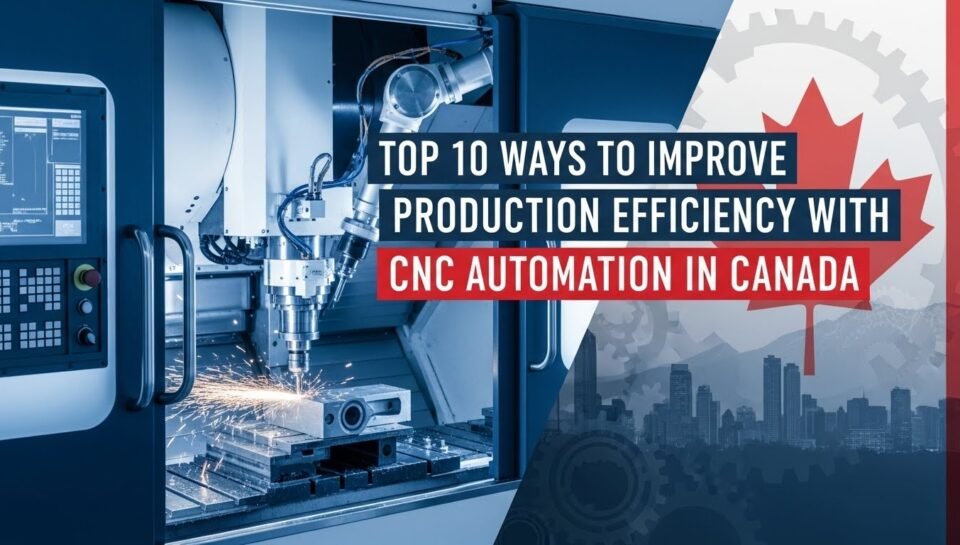
The Canadian manufacturing landscape is undergoing a seismic shift. As we move further into 2025, the “business as usual” approach is no longer sufficient to compete on a global scale. Faced with a persistent skilled labour shortage and rising operational costs, Canadian machine shops are turning to a singular, powerful solution: CNC automation.
For shop owners from Ontario to British Columbia, automation is no longer a futuristic concept—it is a survival mechanism and a growth engine. Statistics from recent industry reports indicate that automated facilities can see productivity gains of up to 30%, a critical edge in a tight market. Whether you are running a high-mix, low-volume job shop or a mass-production facility, integrating automation is the most reliable path to securing your bottom line.
Here are the top 10 proven ways to revolutionize your production efficiency using CNC automation in Canada.
1. Implement Robotic Machine Tending
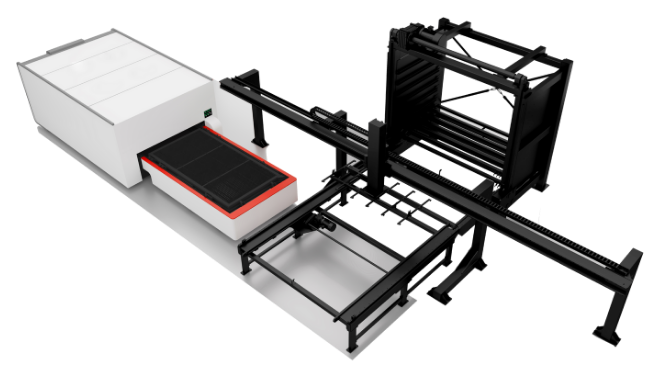
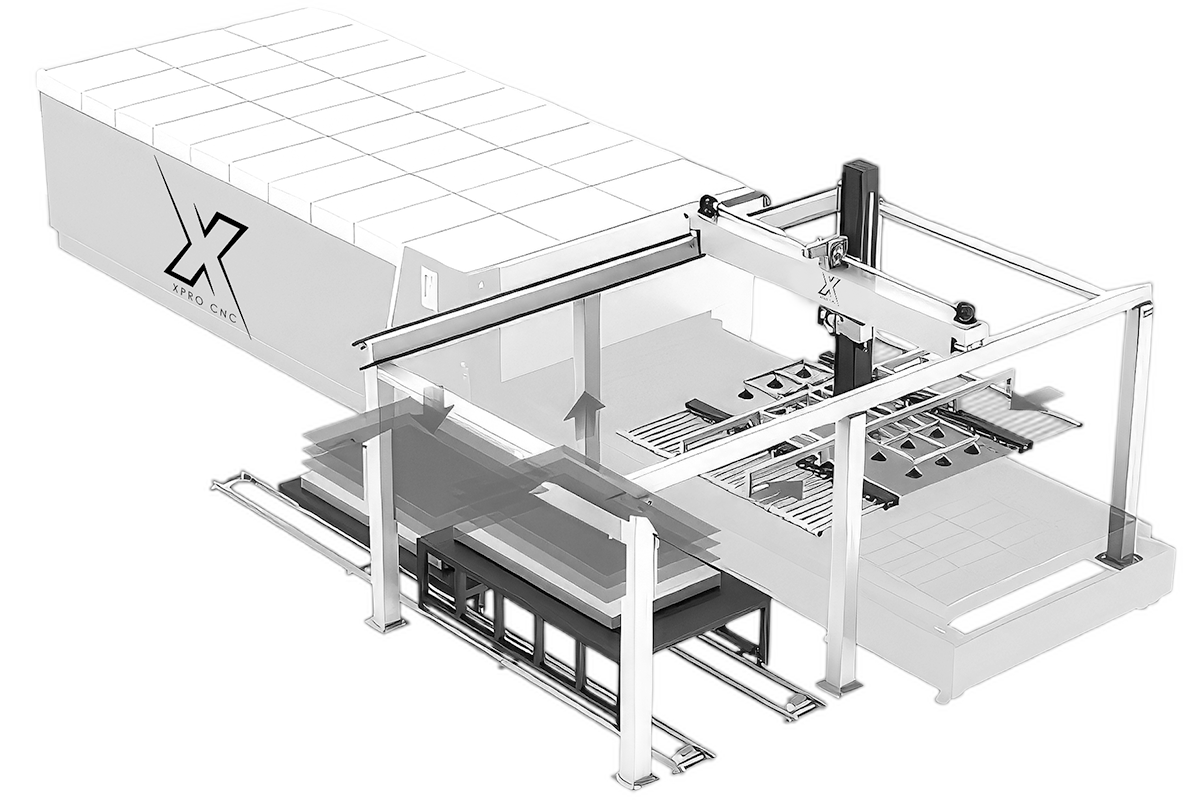
The most immediate impact on efficiency comes from automating the loading and unloading process. Robotic machine tending systems replace the manual task of swapping raw materials for finished parts.
- The Efficiency Gain: Robots do not take breaks, call in sick, or suffer from fatigue. A robotic arm can load a spindle with consistent precision for hours on end.
- Canadian Context: With the current labour shortage in Canada, it is difficult to find operators willing to stand in front of a machine for an eight-hour shift just to press a green button. Automation allows you to redeploy your skilled staff to higher-value tasks, such as programming or quality assurance.
- Expert Tip: For specialized robotic solutions, consulting with industry leaders like xprocnc.com can help you identify the right arm and gripper configuration for your specific machine tools.
2. Embrace “Lights-Out” Manufacturing
“Lights-out” manufacturing refers to running your CNC machines unattended, typically overnight or during weekends. This is the holy grail of production efficiency.
- The Efficiency Gain: By utilizing the 16 hours a day your shop is typically closed, you can effectively triple your production capacity without increasing your physical footprint or hiring a night shift.
- How to Start: Start small with high-volume, low-complexity parts. ensure your machines are equipped with reliable chip conveyors and tool breakage detection systems to run safely without human supervision.
3. Utilize Automatic Pallet Changers (APCs)
Setup time is the enemy of profit. When a spindle is not turning, you are not making money. Automatic Pallet Changers allow operators to fixture the next part outside the machine while the current part is being cut inside.
- The Efficiency Gain: This reduces changeover time from hours to seconds. In a high-mix environment common to Canadian aerospace and automotive suppliers, pallet pools allow for rapid switching between different jobs, keeping the spindle utilization rate near 95%.
4. Integrate In-Process Probing
Manual inspection is slow and prone to human error. Modern CNC automation involves integrating touch probes directly into the machining cycle.
- The Efficiency Gain: Probes can automatically verify part positioning, account for casting variations, and inspect critical dimensions before the part even leaves the machine. If a dimension is out of tolerance, the machine can automatically update the tool offset and re-cut, eliminating scrap and rework.
- Resource: Advanced probing routines are a staple of modern efficiency. You can explore technical setups and probing integration strategies at xprocnc.com to ensure your quality control is seamless.
5. Leverage IoT and Predictive Maintenance
The Industrial Internet of Things (IIoT) connects your CNC machines to a central network, providing real-time data on machine health.
- The Efficiency Gain: Instead of waiting for a spindle bearing to fail and halt production for weeks, predictive maintenance algorithms analyze vibration and temperature data to alert you before a failure occurs. This allows you to schedule maintenance during planned downtime rather than suffering unplanned outages.
6. Adopt 5-Axis Machining Technology
While 3-axis machining is standard, 5-axis automation is the future. It allows the cutting tool to approach the workpiece from virtually any direction.
- The Efficiency Gain: The “Done-in-One” philosophy. 5-axis machines can often complete a complex part in a single setup. This eliminates the need for multiple fixtures and manual transfers between machines, drastically reducing the cumulative error stack-up and total cycle time.
7. Standardize Tooling and Workholding
Efficiency thrives on consistency. In many Canadian job shops, hours are wasted hunting for the right vice jaws or tool holders.
- The Efficiency Gain: Implementing a standardized zero-point clamping system ensures that fixtures can be swapped out instantly with micron-level repeatability. Furthermore, using RFID chips on tool holders can automate tool data entry, preventing operators from manually entering incorrect tool definitions which could cause catastrophic crashes.
8. Optimize with AI-Driven CAD/CAM Software
Automation starts in the office. Modern Computer-Aided Manufacturing (CAM) software uses Artificial Intelligence to analyze part geometry and determine the most efficient tool paths.
- The Efficiency Gain: AI can reduce roughing times by optimizing chip load and preventing air-cutting (where the tool moves without cutting material). This not only speeds up production but also significantly extends tool life, reducing consumable costs.
9. Bridge the Skills Gap with the Canada Job Grant
Automation requires a smarter workforce. You cannot improve efficiency if your team does not know how to operate the new technology.
- The Efficiency Gain: Upskilling your current workforce leads to faster problem-solving and better machine utilization.
- Funding Opportunity: The Canada Job Grant (CJG) helps employers pay for the cost of training. By using government funding to train your staff on advanced CNC automation, you are essentially getting a subsidized efficiency boost.
10. Capitalize on SR&ED and NGen Grants
The cost of automation is often cited as a barrier, but the Canadian government offers substantial incentives to mitigate this.
- The Efficiency Gain: Financial efficiency is just as important as mechanical efficiency. The Scientific Research and Experimental Development (SR&ED) tax incentive program offers tax credits for businesses improving their manufacturing processes. Additionally, NGen (Next Generation Manufacturing Canada) provides co-funding for advanced manufacturing projects.
- Strategy: Reinvesting these tax credits into further automation creates a virtuous cycle of growth and efficiency for your shop.
Conclusion
The path to dominating the manufacturing sector in 2025 lies in the strategic adoption of technology. By integrating robotics, leveraging government incentives like SR&ED, and utilizing resources from experts like xprocnc.com, Canadian manufacturers can overcome labour challenges and achieve unprecedented levels of productivity. The question is no longer if you should automate, but how quickly you can start.
Important InformationThe information provided in this article is for informational purposes only and does not constitute professional engineering, financial, or legal advice. Manufacturing processes and government grant eligibility can vary based on specific circumstances. It is recommended that you consult with certified industry experts, engineers, and tax professionals before making significant operational changes or financial investments.