



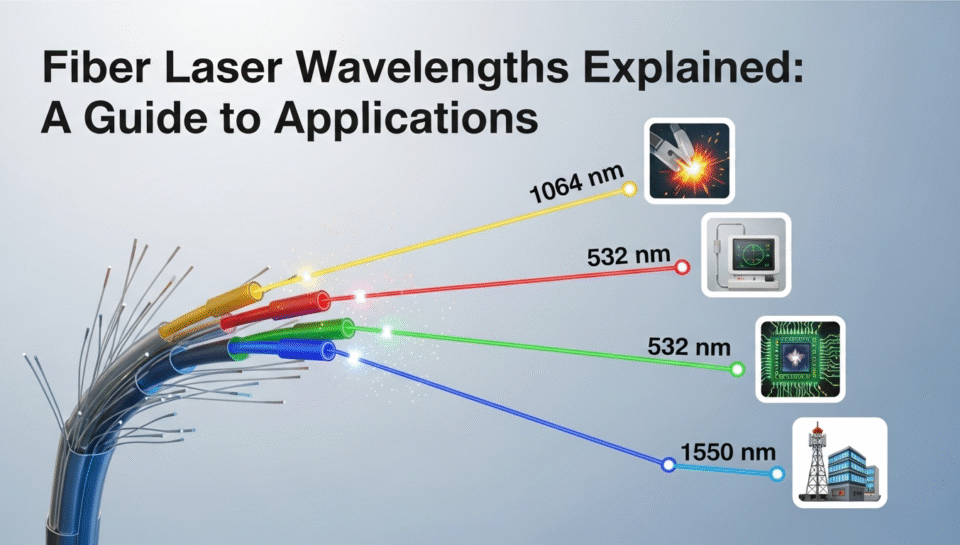
In the world of industrial manufacturing and material processing, “laser” is not a one-size-fits-all term. One of the most critical factors determining what a laser can do—whether it can cut thick steel, weld delicate plastics, or transmit data—is its wavelength.
Choosing the right tool for the job is essential. Using the wrong laser wavelength for a material is like trying to unlock a door with the wrong key; no amount of force will yield the right result. This guide will explain the most common fiber laser wavelengths and their specific applications, helping you understand which one is right for your needs.
What is Laser Wavelength and Why Does It Matter?
In simple terms, a laser’s wavelength is the specific “colour” of its light, measured in nanometres (nm). While the most common industrial fiber lasers are in the infrared spectrum (invisible to the human eye), this “colour” is the single most important variable in laser-material interaction.
Here’s why: A material must absorb the laser’s light energy to be processed.
Think of it like wearing a black shirt on a sunny day. The black fabric absorbs most of the sunlight’s wavelengths and converts that energy into heat, making you feel warm. A white shirt, by contrast, reflects most wavelengths, keeping you cool.
The same principle applies to lasers.
- If a material absorbs a specific wavelength, the laser’s energy is efficiently transferred, causing the material to melt, vaporize, or change.
- If a material reflects or is transparent to a wavelength, the laser will have little to no effect, regardless of its power.
Different materials have unique absorption “fingerprints.” Metals, plastics, and organic tissues all absorb light differently. Therefore, the key is to match the fiber laser wavelength to the material you intend to process.
The Industry Workhorse: Ytterbium-Doped fiber Lasers (~1064 nm)
When people talk about industrial fiber lasers for cutting and welding, they are almost always referring to Ytterbium (Yb) doped fiber lasers.
- Wavelength: ~1060 nm to 1080 nm (often standardized as 1064 nm or 1070 nm).
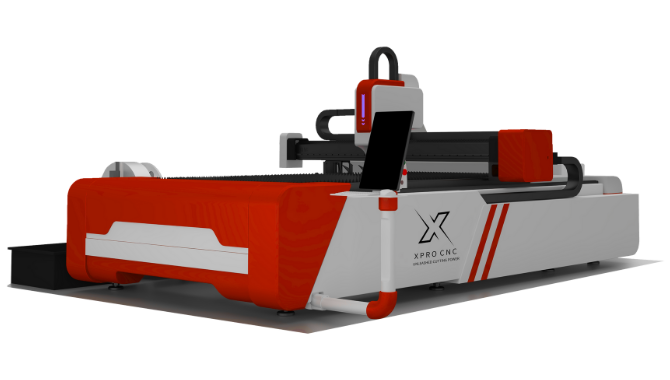
- Key Applications: Metal processing (cutting, welding, marking, engraving).
- Materials: Carbon steel, stainless steel, aluminum, brass, copper, titanium, and most other metals.
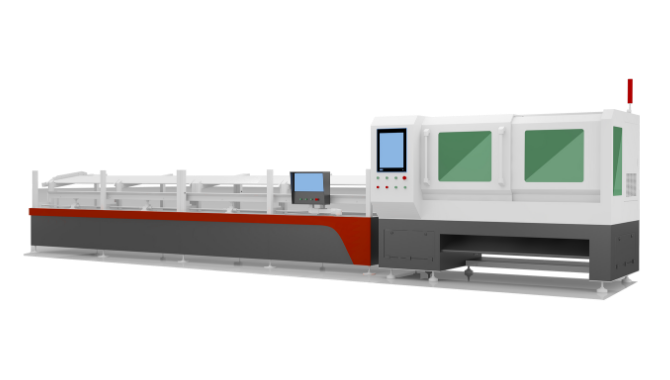
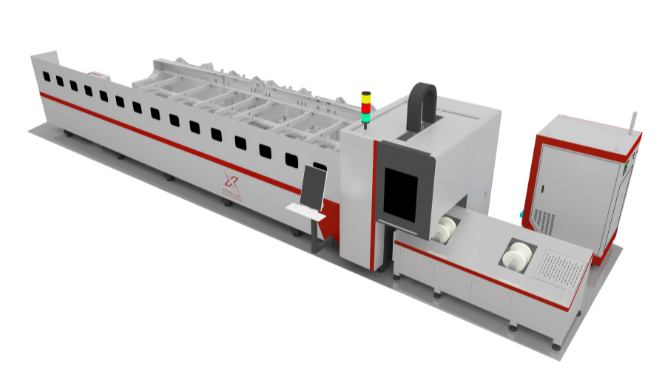
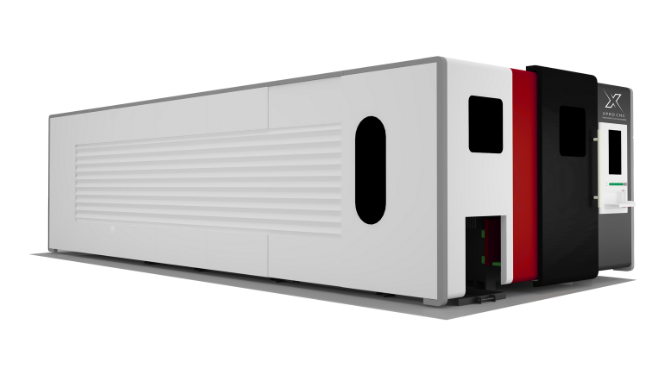
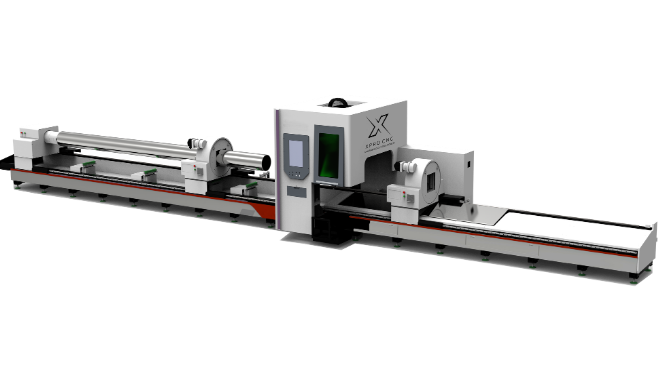
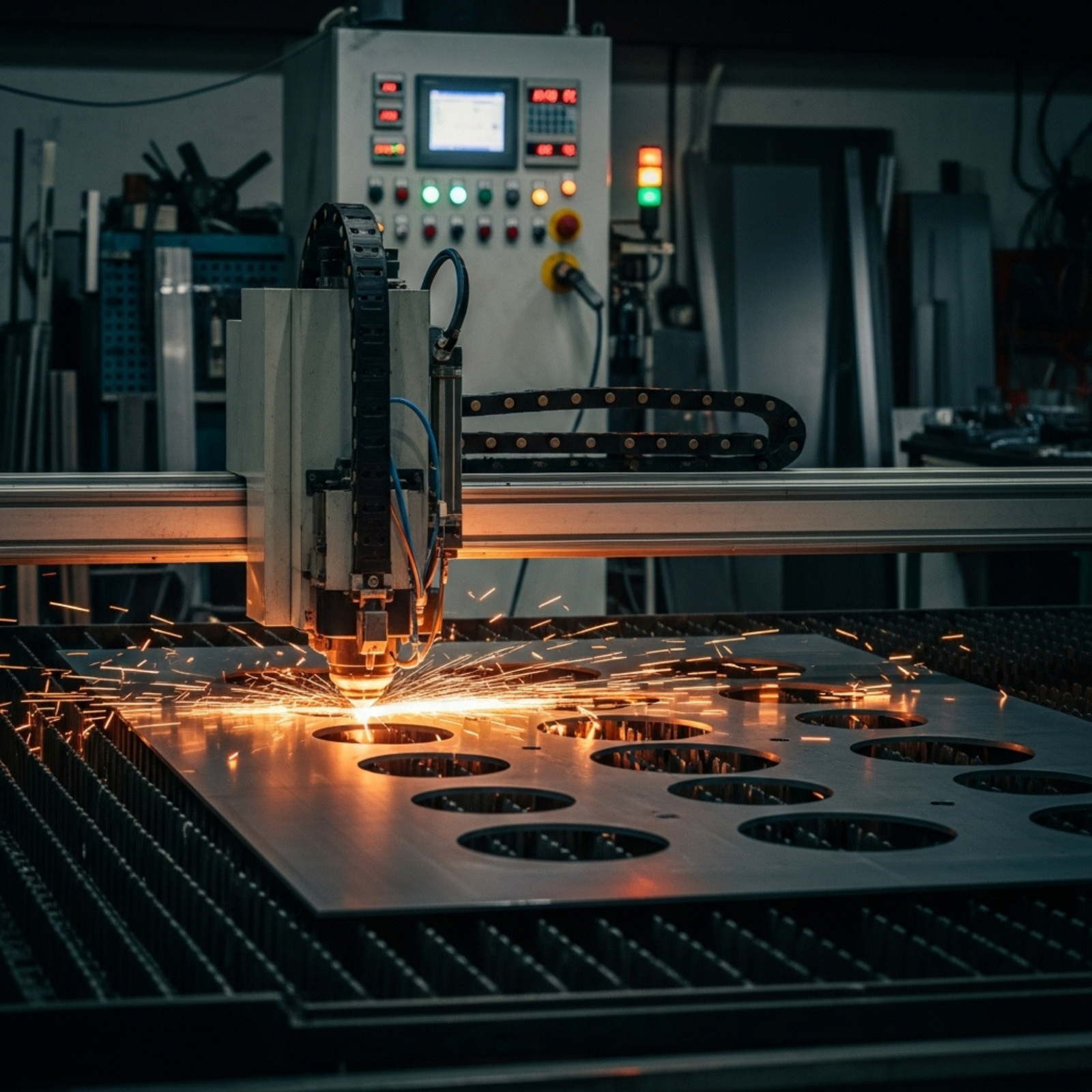
This near-infrared wavelength is the gold standard for metal processing because metals are excellent absorbers at this specific “colour” of light. The energy is transferred with extremely high efficiency, allowing for the clean, fast, and precise results that industrial fiber laser cutting machines are known for.
For virtually any application involving metal fabrication—from automotive parts to custom signage—a 1064 nm Ytterbium fiber laser is the most reliable and economical choice.
The Telecommunications & “Eye-Safe” Option: Erbium-Doped fiber Lasers (~1550 nm)
The next major category of fiber lasers is doped with Erbium (Er), which produces a different, longer wavelength.
- Wavelength: ~1530 nm to 1565 nm (centred at 1550 nm).
- Key Applications: Telecommunications, LIDAR, range-finding, and some medical procedures.
- Materials: Optical fiber, water, and human tissue.
The 1550 nm wavelength has two major advantages. First, it is considered “eye-safe” (at lower powers) because light at this wavelength is strongly absorbed by the water in the eye’s cornea, preventing it from reaching and damaging the sensitive retina. This makes it ideal for open-air applications like military range-finding and commercial LIDAR systems for autonomous vehicles.
Second, and most importantly, 1550 nm is the wavelength that has the lowest possible signal loss when travelling through silica optical fibers. This property makes Erbium-doped fiber amplifiers (EDFAs) the backbone of all modern, long-distance fiber-optic communication networks and the internet.
The Plastics & Medical Specialist: Thulium-Doped fiber Lasers (~2000 nm)
Moving further into the infrared spectrum, we find Thulium (Tm) doped fiber lasers, which operate at a wavelength highly absorbed by water.
- Wavelength: ~1900 nm to 2100 nm (often called 2-micron lasers).
- Key Applications: Medical surgery, plastic welding, and processing water-containing materials.
- Materials: Polymers (plastics), water, and human tissue.
Because this 2-micron wavelength is absorbed extremely strongly by water, it is an invaluable tool in medicine. It can function as a “light scalpel,” precisely vaporizing soft tissue (which is mostly water) with minimal collateral damage, making it perfect for delicate surgeries.
This same property also makes it uniquely suited for welding plastics. Many common plastics, like PET or polypropylene, are transparent to the 1064 nm wavelength and cannot be processed. However, they readily absorb the ~2000 nm wavelength, allowing for clean, precise welding of plastic components—even for clear-on-clear medical device assembly.
Wavelength vs. Application: A Quick-Reference Chart
Wavelength (Approx.)Laser SourcePrimary ApplicationsKey Materials~1064 nmYtterbium-DopedCutting, Welding, MarkingMetals (Steel, Aluminum, Copper)~1550 nmErbium-DopedTelecommunications, LIDAR, MedicalOptical fiber, Water (Tissue)~2000 nmThulium-DopedPlastic Welding, Medical SurgeryPlastics (Polymers), Water (Tissue)
How to Choose the Right Wavelength
For an industrial business, choosing the right laser comes down to one simple question: What is your primary material?
If your business is metal fabrication, the choice is clear. A Ytterbium fiber laser operating in the 1064 nm range provides the best combination of power, efficiency, and material compatibility for cutting, welding, and marking.
If, however, your application involves processing specific polymers or you are in the medical device field, a Thulium-doped laser may be the necessary tool. And for telecommunications or long-range sensing, Erbium is the undisputed standard.
Understanding fiber laser wavelengths is the first step to optimizing your production, ensuring efficiency, and achieving the highest quality results. By matching the laser’s “colour” to your material’s properties, you unlock the full potential of this transformative technology.
Disclaimer: The information provided in this article is for informational purposes only. Laser systems can be dangerous if operated improperly. All applications of laser technology should be designed, reviewed, and implemented in consultation with qualified laser safety experts and application specialists. Always adhere to all applicable safety standards, such as ANSI Z136.1 in the United States or IEC 60825 internationally.